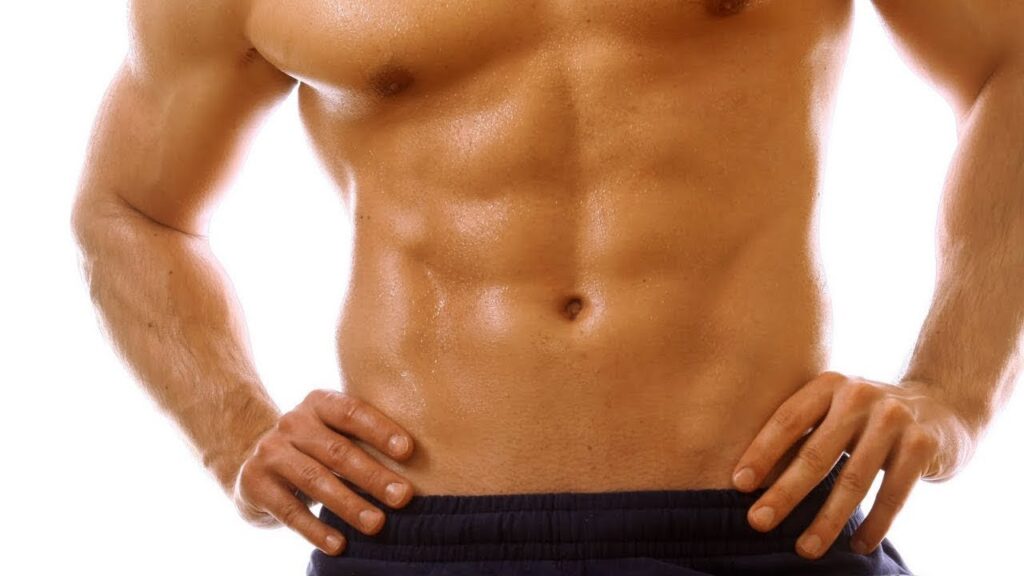

Swelling and bruising are among the most common concerns after body contouring procedures, and understanding their timeline can help patients feel more confident during recovery. After undergoing body sculpting procedures such as High Definition Liposculpture in Dubai, many individuals are eager to know how long these visible side effects will last and when they can expect to see their final results. The healing process is gradual, and while early changes are noticeable, the body continues to refine itself over several weeks and months.
Understanding Swelling After Liposculpture
Swelling, also known as edema, is a natural response of the body to surgical or minimally invasive fat removal procedures. It occurs because the tissues have been manipulated, and fluid accumulates in the treated areas as part of the healing process.
Why Swelling Happens
After liposculpture, the body activates its natural repair system. Small blood vessels become more permeable, allowing fluid and immune cells to reach the affected areas. This leads to temporary puffiness and firmness in the treated zones. The degree of swelling can vary depending on the amount of fat removed, the number of areas treated, and individual healing responses.
Typical Swelling Timeline
Swelling usually follows a predictable pattern, although each person heals differently:
- First week: Swelling is most noticeable during the initial days. The body may feel tight and slightly enlarged in treated areas.
- Weeks 2 to 3: Significant reduction begins, although mild puffiness remains.
- Weeks 4 to 6: Most visible swelling subsides, and body contours start to become clearer.
- Up to 3 months: Subtle residual swelling may persist but continues to improve gradually.
In many cases, around 70–80% of swelling resolves within the first month, while the final refinement of results can take a few months longer.
Bruising After Liposculpture: What to Expect
Bruising is another expected part of recovery and is caused by minor trauma to blood vessels during fat removal. It can appear in different shades, including red, purple, blue, and eventually yellow as it heals.
Causes of Bruising
During liposculpture, small blood vessels may be disrupted as fat is carefully reshaped and removed. The leaked blood under the skin creates discoloration, which is entirely normal and temporary.
How Long Bruising Lasts
The duration of bruising varies but generally follows this timeline:
- First 3–5 days: Bruising becomes most visible and may darken.
- Week 2: Color begins to fade from dark purple to greenish or yellow tones.
- Weeks 2 to 4: Most bruising disappears or becomes very light.
- After 4 weeks: In most cases, bruising is no longer visible.
Some individuals with sensitive skin or slower healing may experience faint bruising for a slightly longer period, but it typically resolves without intervention.
Factors That Influence Healing Time
Not everyone experiences swelling and bruising in the same way. Several factors can influence recovery speed and intensity.
Treatment Extent and Area Size
Larger treatment areas or multiple zones tend to produce more swelling and bruising because the body undergoes greater tissue adjustment. Smaller, localized procedures usually result in faster recovery.
Individual Healing Response
Each person’s body responds differently based on metabolism, skin elasticity, and overall health. Some individuals naturally heal faster, while others may need more time for complete recovery.
Lifestyle and Daily Habits
Hydration, nutrition, rest, and movement all play a role in recovery. A balanced lifestyle supports the body’s natural healing mechanisms and may help reduce swelling duration.
Tips to Reduce Swelling and Bruising
While swelling and bruising are unavoidable to some extent, certain practices can support a smoother recovery process.
Proper Rest and Movement Balance
Rest is essential in the early days, but light movement can also help improve circulation and reduce fluid buildup. Avoid prolonged inactivity, as it may slow down recovery.
Wearing Compression Garments
Compression helps control swelling and supports the newly contoured areas. It also assists in skin retraction, helping the body adapt to its new shape more smoothly.
Staying Hydrated and Eating Well
Proper hydration helps flush out excess fluids, while a nutrient-rich diet supports tissue repair. Foods rich in vitamins C and K may also aid in reducing bruising over time.
When to Expect Final Results
Although swelling and bruising are temporary, the final results of liposculpture take time to fully appear. Most individuals begin noticing clearer definition after the first few weeks, but the most refined outcome usually becomes visible after several months.
Gradual Body Contouring
As swelling decreases, the sculpted areas become more defined and natural-looking. The body continues to adjust internally, and skin tightening progresses over time, enhancing overall results.
Patience During Recovery
It is important to remember that early swelling can temporarily mask improvements. The transformation should be assessed over time rather than immediately after the procedure.
Final Thoughts
Swelling and bruising after liposculpture are completely normal and expected parts of the healing journey. While swelling can last a few weeks and bruising typically fades within one month, the body continues refining its shape for several months. Understanding this timeline helps manage expectations and reduces anxiety during recovery. With proper care and patience, the outcome gradually reveals a more sculpted, balanced, and natural appearance.