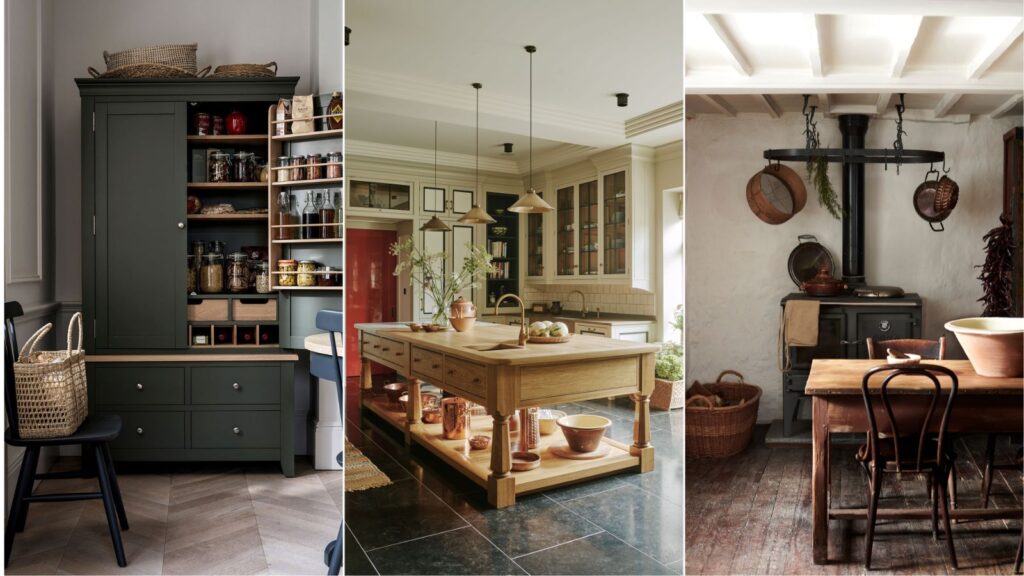

In recent years, a quiet yet powerful shift has been taking place in British homes. Homeowners are moving away from the uniform, built-in kitchen designs that have dominated for decades and embracing something more personal, flexible, and characterful: the “unfitted kitchen.” This emerging trend is redefining how kitchens are designed, blending functionality with individuality and offering a refreshing alternative to the rigid aesthetics of modern fitted units.
An unfitted kitchen, sometimes referred to as a “freestanding kitchen,” breaks away from the traditional concept of fixed cabinetry. Instead of continuous runs of identical cupboards and worktops, it features a mix of standalone furniture pieces—think vintage dressers, butcher’s blocks, open shelving, and repurposed tables. The result is a space that feels more like a living area than a purely functional room.
Why the Unfitted Kitchen is Gaining Popularity
Several factors have contributed to the growing appeal of unfitted kitchens across the UK. First and foremost is the desire for individuality. Homeowners are increasingly looking to create spaces that reflect their personality rather than following cookie-cutter designs. The unfitted approach allows for creative freedom, enabling people to mix styles, materials, and finishes in a way that feels authentic.
Another key driver is flexibility. Unlike fitted kitchens, which are often permanent and difficult to modify, unfitted kitchens can evolve over time. Pieces can be added, removed, or rearranged as needs change. This makes them particularly attractive for growing families or those who enjoy refreshing their interiors without undertaking a full renovation.
Sustainability is also playing a role. Many homeowners are choosing to incorporate reclaimed or second-hand furniture into their kitchen design. This not only reduces waste but also adds a sense of history and charm that brand-new units often lack.
Key Features of an Unfitted Kitchen
While no two unfitted kitchens are exactly alike, there are several defining characteristics that set them apart:
- Freestanding furniture: Individual units such as cupboards, islands, and tables replace continuous cabinetry
- Mixed materials: A combination of wood, metal, stone, and painted finishes creates visual interest
- Open shelving: Displays crockery and accessories while enhancing accessibility
- Vintage and repurposed elements: Adds character and uniqueness to the space
- Flexible layout: Allows for easy reconfiguration and adaptation over time
These elements work together to create a kitchen that feels lived-in, welcoming, and distinctly personal.
The Role of Craftsmanship and Design
As the trend grows, skilled designers and craftsmen are playing a crucial role in bringing unfitted kitchens to life. Unlike mass-produced fitted units, these kitchens often require a more thoughtful and tailored approach. Each piece must work both independently and as part of a cohesive whole.
In areas like Kent, demand for bespoke solutions has led to a rise in specialised services such as Property Refurbishment Sevenoaks, where professionals focus on blending traditional craftsmanship with modern living requirements. Similarly, homeowners seeking tailored solutions are turning to experts in Kitchen Refurbishments Sevenoaks to create spaces that balance practicality with aesthetic appeal.
The trend is also gaining traction in nearby regions, with Kitchen Refurbishments Maidstone services increasingly incorporating unfitted elements into their designs. This reflects a broader shift towards more flexible and personalised home environments.
Balancing Style and Functionality
One of the biggest misconceptions about unfitted kitchens is that they sacrifice practicality for style. In reality, a well-designed unfitted kitchen can be just as functional—if not more so—than its fitted counterpart.
The key lies in thoughtful planning. Storage solutions, for example, can be just as efficient when using a combination of freestanding cupboards, baskets, and shelving. Work surfaces can be created using movable islands or repurposed tables, offering both versatility and charm.
Appliances, too, can be integrated seamlessly. While some homeowners choose to keep them visible for a more eclectic look, others opt for subtle concealment within freestanding units. The result is a kitchen that meets modern needs while maintaining a relaxed, informal aesthetic.
Is the Unfitted Kitchen Here to Stay?
Trends in interior design often come and go, but the unfitted kitchen appears to have lasting appeal. Its emphasis on individuality, sustainability, and adaptability aligns closely with broader lifestyle changes. As people spend more time at home and place greater value on comfort and personal expression, the demand for flexible, character-driven spaces is likely to continue.
Moreover, the unfitted kitchen bridges the gap between past and present. It draws inspiration from traditional kitchen layouts—where furniture was naturally freestanding—while incorporating contemporary design sensibilities. This timeless quality makes it less susceptible to becoming outdated.
Final Thoughts
The rise of the unfitted kitchen marks a significant shift in how we think about one of the most important rooms in the home. It challenges the dominance of uniformity and encourages a more creative, personal approach to design.
For homeowners considering a renovation, this trend offers an opportunity to break free from convention and create a space that truly reflects their lifestyle. Whether through a single freestanding piece or a fully reimagined layout, the unfitted kitchen proves that sometimes, less structure can lead to more freedom—and far more character.
Also Prefer our other Blog:
https://logcla.com/blogs/1423137/DIY-vs-Professional-Property-Refurbishment-What-s-Best-for-You