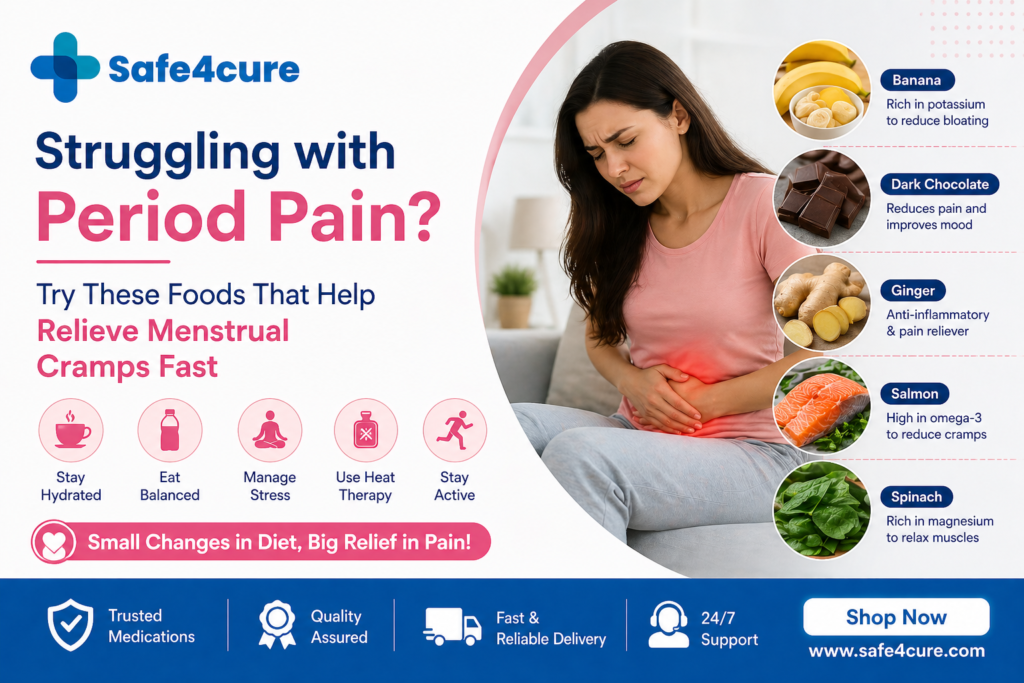

Every month, millions of women in the United States experience painful menstruation that disrupts daily life. This condition, known as dysmenorrhea, affects nearly 50–90% of women of reproductive age. Fortunately, there are effective ways to manage menstrual cramps quickly, including dietary changes, lifestyle adjustments, and medical treatments. Options range from natural remedies and targeted exercises to medications like Celebrex pain medication, which may help reduce inflammation and discomfort. This guide covers practical strategies to relieve cramps fast and improve overall menstrual health safely and effectively.
Understanding Dysmenorrhea: What Causes Menstrual Cramps?
Before diving into solutions, let’s understand what causes menstrual cramps. Dysmenorrhea, the medical term for painful menstruation, occurs when the uterus contracts to shed its lining. These contractions are triggered by hormone-like substances called prostaglandins.
There are two types of dysmenorrhea:
Primary dysmenorrhea is the most common form, characterised by cramps without any underlying medical condition. This typically begins within 1-2 years after your first period.
Secondary dysmenorrhea results from an underlying medical condition such as endometriosis, fibroids, or pelvic inflammatory disease.
Common symptoms of severe menstrual cramps include throbbing pain in the lower abdomen, lower back pain, and sometimes nausea or dizziness. Many women experience cramps before their period officially arrives, which can last for several days during menstruation.
How Can You Relieve Menstrual Cramps Pain Effectively at Home?
1. Use Heat Therapy
One of the most effective home remedies for menstrual cramps is applying heat to your lower abdomen or back. A heating pad set to a comfortable temperature can provide relief within 20-30 minutes. Heat relaxes the uterine muscles and improves blood flow, reducing the intensity of cramps.
2. Stay Hydrated
Drinking plenty of water helps reduce bloating and may ease cramping. Aim for at least 8-10 glasses of water daily, especially during your menstrual cycle.
3. Massage and Self-Care
Gentle massage of your lower abdomen, lower back, and thighs can help relieve tension and improve circulation. Use circular motions with moderate pressure for 5-10 minutes.
4. rest
Don’t underestimate the power of rest. Getting adequate sleep and practicing relaxation techniques like deep breathing or meditation can significantly reduce pain perception and help you manage discomfort.
Foods That Help Relieve Menstrual Cramps Fast
What you eat can directly impact your menstrual pain. Here are the best foods to include in your diet during your period:
Calcium-Rich Foods
Dairy products like yogurt, milk, and cheese are excellent sources of calcium, which has been shown to reduce menstrual pain by up to 48%. Studies from the USA indicate that women with adequate calcium intake experience significantly fewer cramps.
Leafy Green Vegetables
Spinach, kale, and broccoli are rich in iron, magnesium, and calcium. Iron is particularly important since you lose blood during menstruation, and maintaining adequate iron levels can prevent fatigue and worsening cramps.
Fatty Fish
Salmon, mackerel, and sardines contain omega-3 fatty acids that help reduce inflammation and the production of prostaglandins—the compounds responsible for menstrual pain. Research suggests that regular consumption of fatty fish can reduce the severity of menstrual cramps.
Whole Grains
Brown rice, oatmeal, and whole wheat bread provide sustained energy and are rich in B vitamins, which help regulate serotonin and reduce pain perception.
Bananas
High in potassium and magnesium, bananas can help reduce muscle cramps and bloating. They’re also convenient to eat when you’re not feeling your best.
Dark Chocolate
Good news for chocolate lovers! Dark chocolate (70% cacao or higher) contains magnesium, which helps relax muscles and can reduce menstrual cramps. Just consume it in moderation.
Ginger and Turmeric
These anti-inflammatory spices can be added to tea, soups, or meals. Studies show that ginger is as effective as some pain medications in reducing menstrual pain.
Nuts and Seeds
Almonds, walnuts, pumpkin seeds, and sunflower seeds are rich in magnesium and omega-3s, both of which help ease cramping.
Medical Options: When to Consider Celebrex and Other Pain Medications
While home remedies and dietary changes work for many women, sometimes severe menstrual cramps require medical intervention. Here’s what you should know about pain medications:
Over-the-Counter Options
Ibuprofen and naproxen are first-line treatments for managing menstrual cramps. These nonsteroidal anti-inflammatory drugs (NSAIDs) work by reducing prostaglandin production.
Celebrex (Celecoxib)
Celebrex is a prescription pain medication classified as a COX-2 selective inhibitor. Although it is mainly prescribed for arthritis, some healthcare providers recommend Celebrex drugs for severe menstrual cramps when standard NSAIDs are not effective. Celebrex work similarly to traditional NSAIDs by reducing inflammation and pain, but they may cause fewer gastrointestinal side effects in certain patients. However, this medication requires a prescription and is generally not considered a first-line treatment for dysmenorrhea in the United States.
Always consult with your healthcare provider before using any pain medication, especially if you have underlying health conditions or take other medications.
Exercises and Lifestyle Tips to Relieve Menstrual Cramps Symptoms
Light Exercise
Gentle exercise like walking, yoga, or swimming can help relieve menstrual pain. Exercise increases endorphin production and improves blood circulation, both of which reduce cramping.
Yoga Poses
Child’s pose, cat-cow stretches, and reclined spinal twists are particularly beneficial for period pain relief.
Reduce Caffeine and Alcohol
Caffeine can increase muscle tension and worsen cramps, while alcohol can increase inflammation. Try cutting back during your menstrual cycle.
Manage Stress
Stress intensifies pain perception. Try meditation, journaling, or other stress-reduction techniques.
Limit Processed Foods
Processed foods and excess salt can increase bloating and cramping. Focus on whole, nutrient-dense foods instead.
Frequently Asked Questions (FAQs)
Q: Are severe menstrual cramps normal?
A: While some discomfort is normal, severe menstrual cramps that interfere with daily activities warrant a visit to your healthcare provider, as they may indicate an underlying condition.
Q: Can diet really make a difference in menstrual pain?
A: Yes! Studies consistently show that adequate calcium, magnesium, and omega-3 intake reduces menstrual pain severity significantly.
Q: How can you relieve menstrual cramp pain if I’m allergic to NSAIDs?
A: Heat therapy, massage, exercise, dietary changes, and prescription alternatives like certain muscle relaxants can be effective options.
Q: Is dysmenorrhea the same as PMS?
A: No. Dysmenorrhea refers to painful menstruation, while PMS (premenstrual syndrome) includes symptoms that occur before menstruation begins.
Q: What are the most effective ways to relieve menstrual cramps and reduce symptoms fast?
A: A combination approach works best: applying heat, taking over-the-counter pain relievers, eating anti-inflammatory foods, staying hydrated, and light exercise.