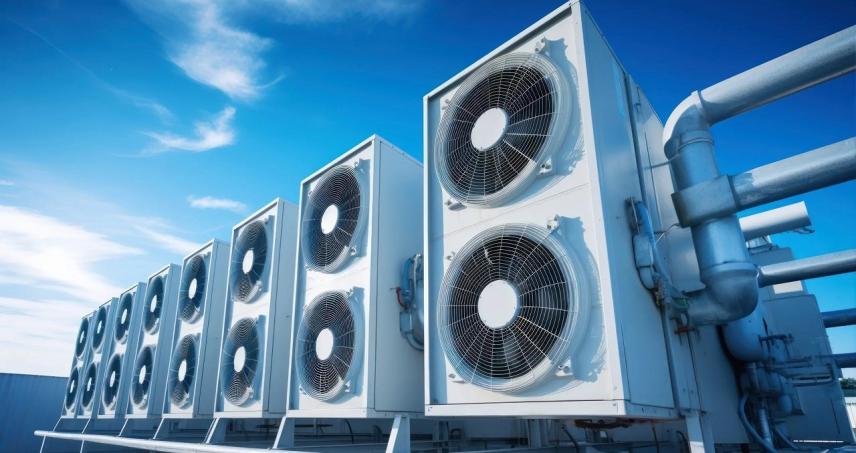

I’ve learned the hard way that an HVAC system rarely fails without warning. The problem is that those early warning signs are easy to ignore until they escalate into expensive repairs or complete system breakdowns. Living in a climate where temperature control isn’t a luxury but a necessity, I pay close attention to how my heating and cooling system behaves. Recognizing the signs that something is wrong allows me to act quickly and avoid larger complications.
Below are the top indicators I’ve come to rely on when determining whether my HVAC system needs immediate repair.
Unusual Noises That Weren’t There Before
One of the first things I notice when something is off is sound. HVAC systems aren’t silent, but I’ve become familiar with their normal operating noise. When I start hearing grinding, banging, rattling, or high-pitched squealing, I know something isn’t right.
From a technical perspective, these noises can point to different issues. A grinding sound might indicate motor bearing failure. Banging could suggest a loose or broken internal component. Squealing often relates to belt or fan motor problems. Ignoring these sounds is risky because mechanical failures tend to worsen quickly, leading to more extensive damage.
Weak or Inconsistent Airflow
Another major red flag I’ve experienced is weak airflow coming from vents. When certain rooms stop receiving adequate air or airflow becomes inconsistent, it’s usually a sign of a deeper issue.
This can stem from clogged air filters, duct obstructions, or blower motor inefficiencies. In some cases, it may even indicate duct leakage or partial system failure. Reduced airflow forces the system to work harder to maintain temperature, increasing both energy consumption and wear on components.
Warm Air When Cooling or Cold Air When Heating
If my air conditioner is running but blowing warm air, or my heating system is producing cool air, I know it’s time to act immediately. This isn’t a minor inefficiency, it’s a functional failure.
Common causes include refrigerant leaks, compressor issues, or thermostat malfunctions. In heating systems, it could involve ignition problems or heat exchanger issues. Either way, when the system can’t perform its core function, delaying repairs only makes the situation worse.
Frequent Cycling or Short Cycling
I pay attention to how often my HVAC system turns on and off. Frequent cycling especially short cycling where the system shuts down before completing a full cycle is a serious concern.
This behavior often points to thermostat miscalibration, overheating, or improper system sizing. It can also indicate electrical issues or failing components. Beyond the mechanical implications, short cycling significantly reduces efficiency and accelerates system wear.
Sudden Increase in Energy Bills
A spike in my energy bill without a corresponding change in usage is another indicator I take seriously. HVAC systems account for a significant portion of household energy consumption, so inefficiencies show up quickly in monthly costs.
Dirty coils, failing motors, refrigerant imbalances, or airflow restrictions can all cause the system to consume more energy than necessary. When I notice this pattern, I consider it a sign that the system is struggling and needs professional attention.
Unpleasant Odors Coming from Vents
Odors are another clear signal that something is wrong. A musty smell often points to mold or mildew buildup within the ductwork or evaporator coil. A burning smell can indicate electrical issues or overheating components.
These aren’t just comfort concerns, they can also impact indoor air quality and safety. I’ve found that addressing odor issues early helps prevent more serious complications, including health risks and system contamination.
Excess Humidity Indoors
My HVAC system doesn’t just regulate temperature, it also helps control humidity. When I start noticing excessive indoor humidity, especially during cooling season, it’s a sign that the system isn’t functioning properly.
This could be due to improper system sizing, refrigerant issues, or drainage problems. High humidity levels can lead to mold growth, discomfort, and even structural concerns over time. It’s not something I ignore.
Water Leaks or Moisture Around the Unit
Any visible moisture or water pooling around my HVAC unit immediately gets my attention. While some condensation is normal, excessive leakage is not.
This could indicate a clogged condensate drain line, a broken pump, or even a refrigerant leak. Water damage can affect surrounding areas and lead to secondary issues like mold growth. Prompt repair is essential to contain the problem.
Thermostat Inconsistencies
Sometimes the issue isn’t with the HVAC unit itself but with the thermostat. If the temperature readings don’t match the actual room conditions, or if the system doesn’t respond correctly to settings, I know something is off.
Faulty thermostats can lead to inefficient operation, frequent cycling, and uneven comfort levels. In modern systems, this could also involve calibration errors or connectivity issues in smart thermostats.
System Age and Declining Performance
As HVAC systems age, their performance naturally declines. I’ve noticed that older systems tend to require more frequent repairs and struggle to maintain consistent temperatures.
When combined with any of the signs above, age becomes an even more critical factor. At a certain point, repeated repairs may not be the most practical solution. Consulting professionals such as those offering Commercial HVAC Services in New Braunfels can provide insight into whether repair or replacement is the better option.
Importance of Professional Evaluation
While I can identify warning signs, I don’t attempt to diagnose or fix complex HVAC issues on my own. These systems involve electrical components, refrigerants, and mechanical systems that require specialized knowledge.
In my experience, working with a qualified provider like APEX Electrical A/C And Heating LLC has been valuable when dealing with both HVAC and electrical concerns. Their ability to evaluate interconnected systems ensures that underlying issues aren’t overlooked. Having access to professionals who understand the full scope of heating, cooling, and electrical integration makes a noticeable difference in long-term system reliability.
Final Thoughts
Ignoring HVAC warning signs is a gamble I’m not willing to take anymore. Small issues rarely stay small, and delays often lead to higher costs and greater inconvenience. By paying attention to unusual noises, airflow problems, energy spikes, and other indicators, I can address problems before they escalate.
An HVAC system is one of the most critical components of any home. Recognizing when it needs immediate repair isn’t just about comfort, it’s about protecting the system, maintaining efficiency, and ensuring a safe indoor environment.