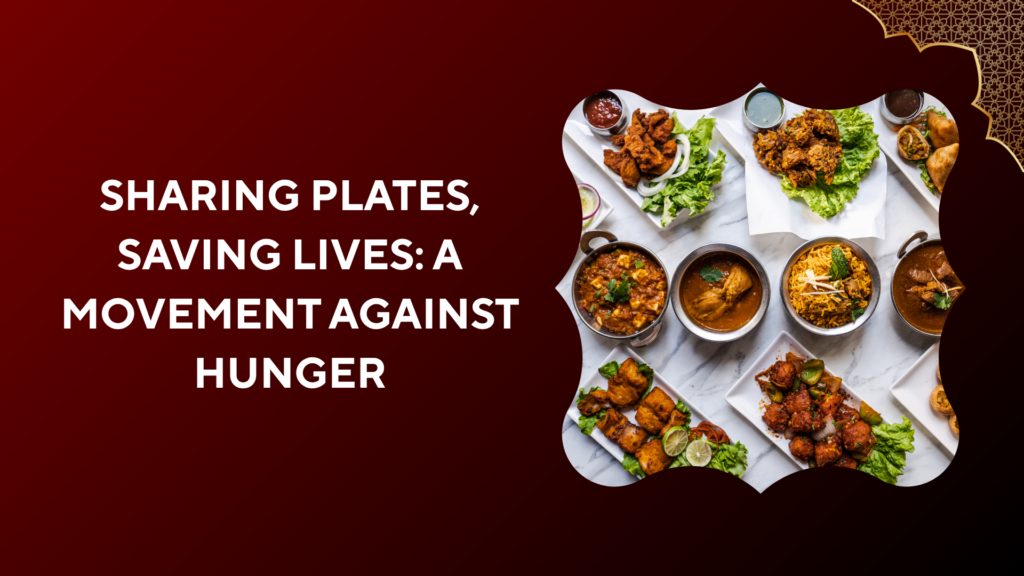

Hunger remains one of the most serious challenges facing humanity today. Despite significant advancements in agriculture and food production, millions of people still struggle to access basic meals every day. At the same time, a large amount of food is wasted across households, restaurants, and events. This imbalance highlights a critical issue—not the lack of food, but the lack of proper distribution and awareness. “Sharing Plates, Saving Lives: A Movement Against Hunger” is a meaningful initiative that seeks to bridge this gap by encouraging individuals and communities to share surplus food with those in need. It is a simple yet powerful idea that transforms compassion into action and promotes a culture of responsibility.
The Concept of Food Sharing
Food sharing is built on the principle that no edible food should go to waste while people are going hungry. The movement encourages individuals, families, and businesses to donate leftover or surplus food instead of discarding it. This food can then be distributed to underprivileged communities, including homeless individuals, daily wage workers, and low-income families. By sharing what we have, we can ensure that resources are used effectively and equitably. This concept not only addresses hunger but also reduces food waste, making it beneficial for both society and the environment.
Community Involvement and Social Impact
One of the most important aspects of this movement is community participation. When people come together to share food, they create a network of support and empathy. Local volunteers, youth groups, and organizations can organize food collection drives, community kitchens, and distribution programs. These activities not only provide meals to those in need but also strengthen social bonds and foster a sense of unity. The act of sharing plates becomes more than just giving food—it becomes a way of building connections and uplifting one another.
Role of NGOs and Volunteers
Non-governmental organizations (NGOs) play a vital role in making this movement organized and effective. They act as intermediaries, collecting food from donors and ensuring it reaches the right beneficiaries. NGOs also establish systems for proper storage, transportation, and distribution of food. Volunteers are the backbone of this initiative, dedicating their time and energy to collect, pack, and deliver meals. Their commitment ensures that the movement continues to grow and reach more people. By working together, NGOs and volunteers create a structured approach to tackling hunger.
Note: You can also contribute to an NGO for food donation in Ranchi
Raising Awareness and Changing Mindsets
A significant part of this movement involves educating people about the importance of reducing food waste and sharing resources. Many individuals are unaware of how their daily habits contribute to food wastage. Awareness campaigns, workshops, and social media initiatives can help spread the message and inspire change. Schools and colleges can also play a key role by encouraging students to participate in food donation drives and community service programs. When awareness increases, more people are likely to take part in the movement, making it more impactful.
Ensuring Food Safety and Dignity
While sharing food is essential, it is equally important to ensure that the food is safe and distributed with dignity. Proper hygiene practices must be followed during collection, storage, and transportation to prevent health risks. Additionally, beneficiaries should be treated with respect and care, ensuring that they do not feel marginalized. Providing well-packaged, nutritious meals can make a significant difference in improving both physical health and emotional well-being. Maintaining dignity in the process strengthens trust and encourages more participation.
Sustainability and Long-Term Benefits
“Sharing Plates, Saving Lives” is not just about immediate relief; it is also about creating long-term solutions. Establishing food banks, community kitchens, and regular donation systems can ensure a consistent supply of food for those in need. Encouraging sustainable practices such as reducing waste, supporting local farmers, and promoting responsible consumption can further enhance the impact of this movement. By addressing both hunger and food waste, the initiative contributes to environmental sustainability and social development.
Conclusion
“Sharing Plates, Saving Lives: A Movement Against Hunger” is a powerful reminder that small actions can lead to significant change. By encouraging people to share surplus food and support those in need, this initiative promotes compassion, responsibility, and unity. It demonstrates that hunger is not an unsolvable problem but one that can be addressed through collective effort and awareness. When individuals, communities, and organizations come together, they can create a world where no one has to suffer from hunger. Through consistent action and shared commitment, this movement has the potential to transform lives and build a more caring and equitable society.