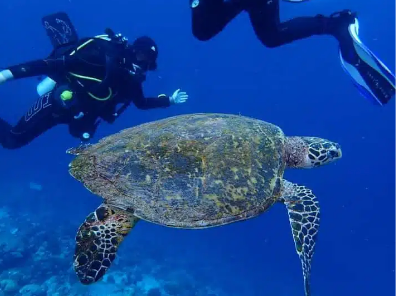

The Maldives is widely known as one of the top diving destinations in the world, but what makes it truly unique is its geography. Instead of being a single diving spot, it is made up of multiple atolls, each offering different underwater conditions, reef structures, and marine life.
Because of this, many divers look beyond resort-based diving and consider liveaboard diving in Maldives as a more effective way to explore. Staying in one place can limit the range of dive sites you can access, while a liveaboard allows you to travel across regions and experience a wider variety of underwater environments.
If you are planning a diving trip and thinking about this option, it is useful to understand how liveaboard diving works, what a typical trip looks like, and what makes it different from other ways of exploring the Maldives.
What Liveaboard Diving in Maldives Involves
Liveaboard diving in Maldives is based on a simple concept: you stay on a boat for several days while traveling between dive locations. The boat acts as your accommodation, transport, and dive base, all combined into one setup.
These trips usually follow planned routes across well-known atolls, especially in central Maldives regions. The routes are designed to include a mix of dive sites such as channels, reefs, and Thilas, depending on the season and conditions.
Unlike resort diving, where your experience is limited to nearby sites, Maldives liveaboard diving gives you access to locations that are spread out across different atolls. This means you are not repeating the same type of dives every day, and the overall experience feels more varied.
Another key aspect is that everything is organized in advance. From dive schedules to navigation, the crew manages the details so that divers can focus on the experience rather than planning.
How Dive Days Are Structured on a Liveaboard
A liveaboard trip follows a steady and well-organized routine. The schedule is designed to make the best use of sea conditions while ensuring that divers have enough time to rest between sessions.
What a Typical Dive Day Looks Like
- Early morning dives in optimal conditions
The first dive of the day usually takes place early in the morning when the sea is calmer and visibility is at its best. This timing increases the chances of better underwater conditions and more active marine life. - Multiple dives spaced throughout the day
Depending on the itinerary, there are usually two to four dives scheduled in a day. These dives are planned at different locations, which allows divers to experience a range of underwater environments within a single day. - Surface intervals for recovery and comfort
Between dives, there are proper breaks for meals, hydration, and rest. These intervals are important for safety as well as for maintaining energy levels throughout the trip. - Movement to new dive sites between sessions
One of the key advantages of a liveaboard is that the boat moves between dives. This means each session can take place at a new site, reducing repetition and adding variety to the experience. - Evening time for rest and preparation
After the final dive of the day, the schedule becomes more relaxed. Evenings are usually quiet, giving divers time to unwind, review the day, and prepare for the next set of dives.
What Makes the Maldives Ideal for Liveaboard Diving
The Maldives offer a combination of conditions that are particularly suited for liveaboard diving. Its underwater landscape includes channels, reef systems, and open-water areas, all within relatively short distances from each other.
One of the defining features of diving here is the presence of currents in certain areas, especially in channels. These currents bring nutrients, which in turn attract marine life. As a result, many dive sites are known for consistent activity rather than occasional sightings.
This is also why Maldives shark diving is often associated with liveaboard trips. In the right locations, sightings of reef sharks and other pelagic species are not uncommon, especially in current-driven areas.
Since a liveaboard moves across different atolls, divers are able to experience both calm and more dynamic conditions within the same trip. This variety is one of the main reasons why the Maldives is considered ideal for this type of diving.
Types of Dive Sites You Can Expect on the Route
Liveaboard itineraries are carefully designed to include a range of dive environments. This ensures that the experience remains balanced and does not feel repetitive over several days.
Common Dive Environments Covered
- Channel dives (kandus) with strong water movement
These are natural channels between islands where currents flow more strongly. They are known for attracting larger marine species, making them one of the most exciting types of dives in the Maldives. - Thilas and reef formations with dense marine life
Thilas are underwater pinnacles that rise from the ocean floor. These sites are rich in coral and reef fish, offering detailed and colorful underwater views suitable for both experienced divers and those looking for steady conditions. - Cleaning stations with regular marine activity
These are areas where marine species gather to be cleaned by smaller fish. Because this behavior happens regularly, these sites often provide reliable and interesting observations. - Outer reef edges with open-water surroundings
Located along the edges of atolls, these sites open into deeper waters. They offer a different perspective compared to inner reefs, with wider visibility and a more expansive underwater setting. - Calmer lagoon or reef areas for relaxed diving
These locations are included to provide a break from stronger conditions. They are ideal for easier dives, check dives, or simply enjoying a more relaxed underwater environment.
Comfort and Onboard Experience
Liveaboards in the Maldives are designed to balance functionality and comfort. While the main focus remains on diving, the onboard experience is structured to make long stays practical and comfortable.
There are different categories available, ranging from standard setups to luxury diving in Maldives, where cabins, dining spaces, and shared areas are more refined. Regardless of the category, the goal is to provide a stable environment where divers can rest and recover between dives.
Since everything is available in one place, there is no need to deal with transfers, check-ins, or daily packing. This makes the experience more continuous and less tiring compared to moving between multiple accommodations.
How Routes Are Planned for Better Diving Conditions
Routes for Liveaboard Diving in Maldives are not fixed randomly. They are planned based on seasonal patterns, weather conditions, and marine activity.
For example, certain atolls are more suitable during specific times of the year due to current direction and visibility. By following these patterns, liveaboard trips are able to offer more consistent diving conditions.
At the same time, flexibility is an important part of the process. If conditions change, routes can be adjusted to ensure safety and maintain the quality of the experience.
A More Complete Way to Experience Diving in the Maldives
Exploring the Maldives through a liveaboard changes the way the destination is experienced. Instead of focusing on one area, the journey becomes about moving through different regions and understanding the variety they offer.
With access to multiple atolls, structured dive schedules, and a setup that combines travel and accommodation, the experience becomes more efficient and well-rounded. It allows divers to spend more time exploring and less time managing logistics.
For those planning Liveaboard Diving in Maldives, taking the time to understand routes, boat options, and seasonal conditions can make a significant difference. Platforms like Maldives Boat Club provide a useful starting point for comparing liveaboard choices and planning a trip that fits individual preferences while covering the best of what the Maldives has to offer.