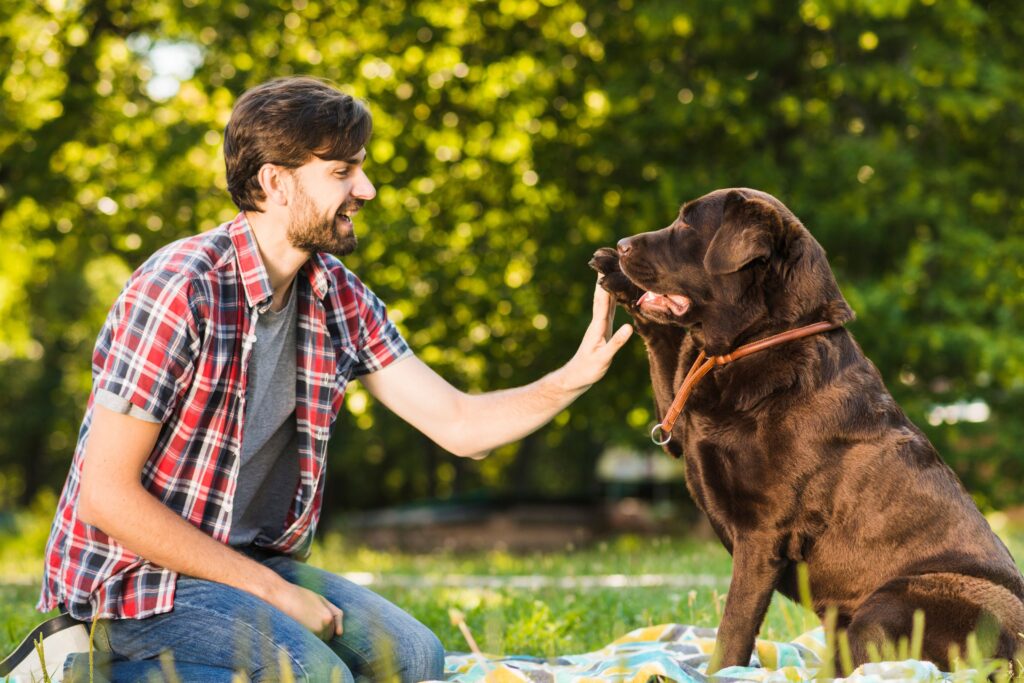

A dog’s private training session gives focused help for both the dog and the owner. It is not a one-size-fits-all class. It is a guided session built around real behavior issues at home. So yes, it can be worth it, especially when group classes fall short or problems feel too specific.
Now let’s break down what actually happens and how to decide if it is the right choice.
What Is a Private One-on-One Dog Training Session?
A private session is a meeting between a trainer, the dog, and the owner. It often takes place at home or in a quiet outdoor space. The goal is simple. Work on behavior in the place where it happens most. Unlike group classes, there are no distractions from other dogs. The trainer focuses only on one dog and one set of issues. Common goals include:
- Basic obedience, like sit, stay, and recall
- Leash pulling and jumping
- Barking or reactivity
- Fear, anxiety, or nervous behavior
- New puppy guidance
Each session is planned based on the dog’s needs. So, no wasted time.
What Happens During the First Session?
The first session usually starts with a chat. The trainer asks questions about the dog’s history, habits, and daily routine. This step helps them understand the root of the issue. Then comes observation.
The trainer watches how the dog reacts in real situations. For example, how the dog behaves when someone enters the home or when the leash comes out. After that, training begins. Here is what it often includes:
- Clear instructions for basic commands
- Real-time corrections and rewards
- Simple techniques the owner can repeat
- Step-by-step guidance for daily practice
Owners are not just watching. They are part of the process. The trainer teaches both the dog and the human.
How Is Private Training Different from Group Classes?
Group classes work well for social skills. But they are not always enough for behavior problems. A private one-on-one dog training session offers a more direct approach. Key differences include:
- Personal focus: One dog, one plan
- Flexible pace: Move as fast or slow as needed
- Real environment: Training happens at home or in familiar areas
- Less stress: Fewer distractions for nervous dogs
Group classes can feel rushed. Private sessions slow things down and get to the root cause.
What Problems Can It Help Solve?
Private sessions are often used for more serious or specific issues. Some common problems include:
- Aggression toward people or other dogs
- Separation anxiety
- Excessive barking
- Pulling on the leash
- Ignoring commands
A dog’s private training session can break these habits by focusing on triggers and responses. The trainer shows what to do in the moment, not just theory. Over time, small changes build into steady progress.
What Role Does the Owner Play?
The owner plays a big role. Training does not stop when the session ends. Trainers guide the process, but owners must practice daily. Dogs learn through repetition. During a session, the owner learns:
- How to give clear commands
- How to reward good behavior
- How to stay consistent
- How to handle mistakes calmly
A private one-on-one dog training plan works best when the owner follows through. Think of it as coaching, not just training.
How Many Sessions Are Usually Needed?
There is no fixed number. It depends on the dog and the issue. Simple problems may need just a few sessions. More complex behavior may take several weeks. Typical timelines look like this:
- 1 to 2 sessions for basic obedience
- 3 to 5 sessions for moderate issues
- Ongoing sessions for deep behavioral challenges
Progress is not always instant. But with steady work, results tend to last longer.
Is It Worth the Cost?
Private sessions cost more than group classes. But value depends on results. Here is where the benefit shows:
- Faster progress due to focused attention
- Less confusion for the dog
- Clear plan for the owner
- Training in real-life settings
For dogs with behavior issues, a private dog training session often saves time in the long run. Instead of trying different methods, the owner gets direct guidance. It can also prevent bigger problems later.
How to Choose the Right Trainer?
Not all trainers follow the same methods. So, choosing the right one matters.
Look for:
- Clear communication style
- Positive training methods
- Experience with similar issues
- Willingness to explain the process
A good trainer keeps things simple. They guide, not overwhelm. Also, check if they offer follow-up support. Consistency helps results stick.