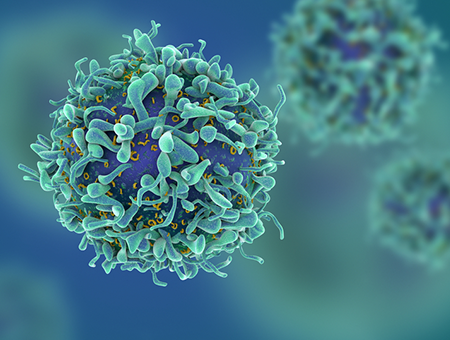

Cancer screening is one of the most powerful tools in modern healthcare for early detection and prevention. Many cancers develop silently without noticeable symptoms in the early stages, making screening essential for identifying potential problems before they progress.
Screening tests are designed to detect cancer at an early stage or even identify precancerous conditions. Common screening methods include mammograms for breast cancer, Pap smears for cervical cancer, colonoscopies for colorectal cancer, and blood tests for certain markers. These tests help doctors identify abnormalities early, often before symptoms appear.
Early detection significantly improves treatment outcomes. When cancer is diagnosed at an early stage, treatment is usually more effective, less invasive, and less expensive. Patients also experience better recovery rates and improved quality of life.
People with a family history of cancer or specific risk factors should be particularly vigilant about regular screenings. Lifestyle factors such as smoking, poor diet, and lack of physical activity can also increase the risk, making preventive screening even more important.
Regular screening also helps in reducing mortality rates. For example, early detection of breast cancer through mammograms has significantly improved survival rates. Similarly, colon cancer screenings have helped identify and remove precancerous growths before they develop into cancer.
Another advantage of screening is peace of mind. Knowing your health status can reduce anxiety and help you take proactive steps toward maintaining well-being. It also encourages individuals to adopt healthier lifestyles and stay committed to regular medical checkups.
It is important to follow screening guidelines recommended by healthcare professionals. These guidelines vary based on age, gender, medical history, and risk factors. Consulting a doctor helps determine the right screening schedule for each individual.
Despite its importance, many people avoid screenings due to fear, lack of awareness, or misconceptions. However, understanding that early detection saves lives can help overcome these barriers.
In summary, regular cancer screening is a vital part of preventive healthcare. It enables early diagnosis, improves treatment success, and reduces overall health risks. Taking a proactive approach toward screening can lead to better health outcomes and long-term well-being.
Cancer screening is one of the most powerful tools in modern healthcare for early detection and prevention. Many cancers develop silently without noticeable symptoms in the early stages, making screening essential for identifying potential problems before they progress.
Screening tests are designed to detect cancer at an early stage or even identify precancerous conditions. Common screening methods include mammograms for breast cancer, Pap smears for cervical cancer, colonoscopies for colorectal cancer, and blood tests for certain markers. These tests help doctors identify abnormalities early, often before symptoms appear.
Early detection significantly improves treatment outcomes. When cancer is diagnosed at an early stage, treatment is usually more effective, less invasive, and less expensive. Patients also experience better recovery rates and improved quality of life.
People with a family history of cancer or specific risk factors should be particularly vigilant about regular screenings. Lifestyle factors such as smoking, poor diet, and lack of physical activity can also increase the risk, making preventive screening even more important.
Regular screening also helps in reducing mortality rates. For example, early detection of breast cancer through mammograms has significantly improved survival rates. Similarly, colon cancer screenings have helped identify and remove precancerous growths before they develop into cancer.
Another advantage of screening is peace of mind. Knowing your health status can reduce anxiety and help you take proactive steps toward maintaining well-being. It also encourages individuals to adopt healthier lifestyles and stay committed to regular medical checkups.
It is important to follow screening guidelines recommended by healthcare professionals. These guidelines vary based on age, gender, medical history, and risk factors. Consulting a doctor helps determine the right screening schedule for each individual.
Despite its importance, many people avoid screenings due to fear, lack of awareness, or misconceptions. However, understanding that early detection saves lives can help overcome these barriers.
In summary, regular cancer screening is a vital part of preventive healthcare. It enables early diagnosis, improves treatment success, and reduces overall health risks. Taking a proactive approach toward screening can lead to better health outcomes and long-term well-being.