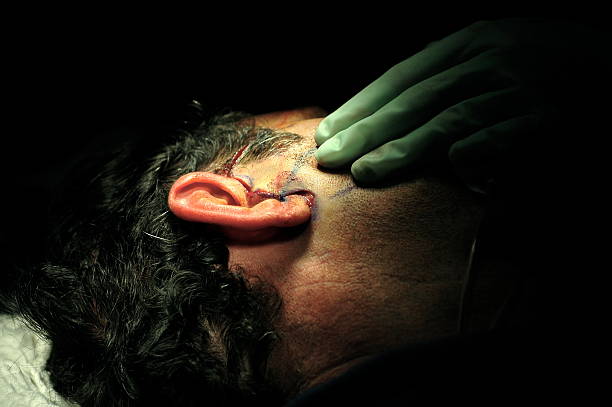

For many individuals, the shape and position of the ears can be a significant source of self-consciousness, often dating back to childhood. Whether the concern is “bat ears,” structural asymmetry, or oversized lobes, the emotional impact is often greater than the physical one. Ear reshaping in Dubai, clinically known as otoplasty, is a specialized surgical procedure designed to bring the ears into a more balanced proportion with the rest of the facial features. Unlike many cosmetic treatments that require frequent maintenance, this is a permanent structural correction. By adjusting the cartilage and skin, a skilled surgeon can reposition the ears closer to the head or refine their shape to create a natural, less conspicuous appearance.
At Tajmeels Clinic, we observe that this procedure is not about creating “perfect” ears, but rather about ensuring the ears no longer draw unwanted attention, allowing the patient’s other facial features to shine.
Is Ear Reshaping in Dubai the Right Choice for Your Concerns?
Deciding to undergo surgery on the ears requires an understanding of what the procedure can realistically achieve for different anatomical issues.
Correcting Protruding Ears
The most common reason for seeking ear reshaping in Dubai is protruding ears, often caused by an underdeveloped antihelical fold or an overdeveloped conchal bowl (the deep “cup” of the ear). We observe that by creating a new fold in the cartilage, the ear can be pinned back to a more standard angle, usually between 20 to 35 degrees from the side of the head.
Addressing Ear Asymmetry
It is very common for one ear to protrude more than the other or for the shapes to differ significantly. Based on post-procedure follow-ups, patients report that correcting these discrepancies provides a profound sense of facial harmony, even though absolute 100% symmetry is rarely the goal in biological structures.
What to Expect During the Ear Reshaping Procedure
Understanding the technical steps of the surgery helps demystify the process and reduces pre-operative anxiety.
Surgical Precision and Incisions
The procedure is typically performed under local anesthesia with sedation for adults, or general anesthesia for younger patients. The surgeon makes a small incision behind the ear, where it meets the head. This strategic placement ensures that the resulting scar is virtually invisible. We observe that through this opening, the cartilage is either scored to make it more pliable or sutured into its new, desired position.
Sensation During Treatment
Patients often ask what the surgery “feels” like. Since the area is thoroughly numbed, you will not feel sharp pain. However, you may experience a sensation of “pressure” or “movement” around the ear. We observe that most patients find the experience tolerable and are often surprised by how quickly the 60-to-90-minute procedure passes.
Realistic Recovery: A Timeline for Ear Reshaping in Dubai
The recovery for otoplasty is unique because it involves protecting delicate cartilage while it sets into its new position.
The First 72 Hours
Immediately following ear reshaping in Dubai, your head will be wrapped in a bulky bandage. This is not for aesthetic reasons but to provide support and minimize swelling. Patients often report a “throbbing” or “heavy” sensation during the first two days. We observe that keeping the head elevated, even while sleeping, is the most effective way to manage this initial discomfort.
The One-Week Milestone
After about a week, the bulky bandage is replaced with a lighter, headband-style dressing. This is typically when patients return to work or school. We observe that the ears will still appear slightly swollen and red at this stage, but the new position of the ears is already clearly visible.
Comparing Otoplasty Techniques and Timelines
To help you understand the differences in approach, we have summarized the primary considerations for treatment.
The Experience of Healing: Physical Sensations
Based on post-procedure follow-ups, the healing process involves a specific sequence of sensations that patients should be prepared for.
-
Numbness: It is common for the ears to feel “wooden” or numb for several weeks. This is a normal part of the nerves adjusting to the new ear position.
-
Itching: As the incisions behind the ears heal, you may experience significant itching. We observe that using prescribed ointments and resisting the urge to scratch is vital for scar quality.
-
Sensitivity to Cold: For the first few months, the ears may be more sensitive to cold air or wind. Patients in Dubai find that staying in climate-controlled environments initially helps avoid this sensitivity.
“I spent years wearing my hair down to hide my ears. The surgery was so much easier than I expected, and the relief of finally being able to tie my hair back is indescribable,” shares Sara, a 28-year-old resident.
“I was worried about the pain, but it was really just a dull ache for a couple of days. The difference in my profile is subtle but it changed how I feel about my face completely,” says Michael, a 34-year-old expat.
Why Choose Tajmeels Clinic for Ear Reshaping in Dubai?
At Tajmeels Clinic, we believe that ear surgery is a blend of medical science and artistic proportion. We understand that ear reshaping in Dubai is a deeply personal decision, and we prioritize a conservative approach that ensures your ears look naturally integrated with your facial structure. Our specialists utilize advanced cartilage-molding techniques to avoid the “pinned-back” look that can occur with less sophisticated methods. We provide a professional, medical-grade environment where your safety and comfort are monitored at every stage of the journey. By choosing us, you are opting for a sophisticated, expert-led path to facial harmony and renewed self-confidence.
FAQs
Is Ear Reshaping in Dubai permanent?
Yes. Unlike dermal fillers or non-surgical treatments, otoplasty involves the physical repositioning or reshaping of the ear cartilage. Once the ears have healed into their new position, the results are permanent and do not require future adjustments or “top-ups.”
At what age can a child have Ear Reshaping in Dubai?
We observe that the ear is usually 90% developed by age five or six. Many parents choose to have the procedure done before the child starts school to avoid potential teasing. However, the procedure is equally effective for teenagers and adults of any age.
Will the surgery affect my hearing?
No. Ear reshaping in Dubai only addresses the external structure of the ear (the auricle). The internal mechanisms responsible for hearing are not touched during the procedure, so there is absolutely no risk to your auditory function or hearing quality.
How long do I have to wear the headband after surgery?
Most patients are required to wear a supportive headband 24/7 for the first week. After that, we observe that wearing it only at night for an additional three to four weeks is necessary to prevent the ears from being accidentally folded or pulled during sleep.
Does Ear Reshaping in Dubai leave visible scars?
The incisions are strategically placed in the natural crease where the back of the ear meets the head. We observe that once fully healed, these scars are nearly impossible to detect, even if you have very short hair or wear your hair up.
When can I resume sports after the procedure?
You should avoid contact sports or any activity where the ear might be hit or bent for at least six to eight weeks. We observe that light exercise, like walking, can be resumed within a week, but the cartilage needs time to fully stabilize.