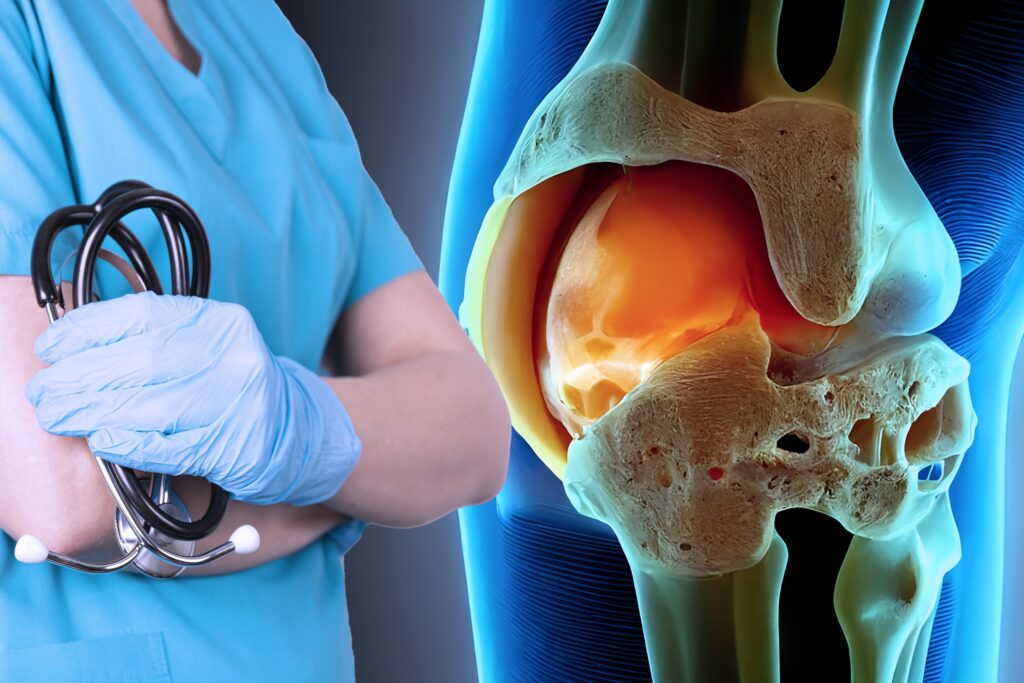

Knee pain is no longer limited to old age. In today’s urban lifestyle, people across different age groups in Delhi NCR are experiencing joint issues due to sedentary habits, obesity, injuries, and wear and tear. When medications and physiotherapy stop providing relief, knee replacement surgery becomes a necessary step toward regaining mobility.
However, patients today are often confused between traditional knee replacement and robotic-assisted surgery. Understanding the difference between the two can help in making the right decision for long-term health and comfort.
Evolution of Knee Replacement Techniques
Knee replacement surgery has been successfully performed for decades using conventional techniques. In traditional surgery, the orthopedic surgeon manually removes damaged bone and cartilage and replaces it with an artificial implant.
While this method has delivered reliable results, it depends heavily on the surgeon’s experience and visual judgment during the procedure. Even minor variations in alignment can impact the performance and lifespan of the implant.
With advancements in medical technology, robotic knee surgery has emerged as a more precise and data-driven approach. It combines the surgeon’s expertise with robotic assistance to enhance accuracy and outcomes.
What Makes Robotic Knee Surgery Different
Robotic knee surgery does not mean that a robot performs the operation independently. Instead, it is a tool that assists the surgeon in executing the procedure with high precision.
Before surgery, a detailed 3D model of the patient’s knee is created using advanced imaging. This allows the surgeon to plan every step of the procedure in advance, including implant size, positioning, and alignment.
During surgery, the robotic system provides real-time feedback and guidance, ensuring that every movement is controlled and accurate. This level of precision is difficult to achieve consistently with traditional methods.
This technological advancement highlights the growing importance of the Benefits of Robotic Knee Surgery in modern orthopedic care.
Accuracy That Improves Surgical Outcomes
One of the most significant differences between traditional and robotic surgery is the level of accuracy achieved.
In robotic-assisted procedures:
- Bone cuts are made with high precision
- Implant positioning is optimized
- Joint alignment is carefully balanced
Proper alignment is crucial because it directly affects how the knee functions after surgery. Even a slight misalignment in traditional surgery can lead to discomfort, uneven wear, or reduced implant life.
Robotic technology minimizes these risks, providing more predictable and consistent results for patients.
Less Invasive Approach and Tissue Preservation
Traditional knee replacement often involves larger incisions and more handling of surrounding tissues. This can lead to increased pain, swelling, and longer recovery time.
In contrast, robotic knee surgery is designed to be minimally invasive. It focuses on preserving healthy bone and soft tissues as much as possible.
This results in:
- Reduced trauma to muscles and ligaments
- Less blood loss during the procedure
- Lower post-operative pain
Patients often find the recovery process more manageable compared to conventional surgery.
Faster Recovery and Early Mobility
Recovery is one of the most important concerns for patients considering knee replacement surgery. The goal is not just to relieve pain but also to return to normal life as quickly as possible.
Robotic knee surgery offers several advantages in this area:
- Patients can start walking sooner after surgery
- Rehabilitation becomes easier and more effective
- Hospital stay is often shorter
Early mobility reduces the risk of complications such as stiffness or blood clots, which can occur after prolonged immobility.
For individuals in Delhi NCR with busy lifestyles, this faster recovery makes robotic surgery a preferred option.
Improved Implant Longevity
The success of knee replacement surgery is not just about immediate relief but also long-term durability.
In traditional surgery, slight variations in implant placement can lead to uneven stress on the joint, causing wear and tear over time.
Robotic surgery addresses this issue by ensuring:
- Accurate implant positioning
- Balanced joint movement
- Reduced mechanical stress
This contributes to longer-lasting implants and reduces the chances of requiring revision surgery in the future.
Reduced Risk of Complications
Every surgical procedure carries some level of risk. However, robotic knee surgery helps minimize many of these risks.
Compared to traditional methods, robotic-assisted procedures offer:
- Better surgical control
- Reduced chances of human error
- Lower risk of complications such as infection or implant failure
These safety benefits make robotic surgery an attractive option for both patients and surgeons.
Personalized Treatment for Better Results
One of the biggest limitations of traditional knee replacement is the standardized approach. Every patient’s knee anatomy is different, but traditional methods may not fully account for these variations.
Robotic knee surgery provides a personalized solution by adapting the procedure to the individual patient.
This ensures:
- A better fit of the implant
- Natural joint movement
- Higher patient satisfaction
Customization plays a major role in achieving optimal outcomes and improving overall quality of life.
Importance of Choosing the Right Surgeon
While robotic technology enhances precision, it is still the surgeon who controls the procedure and makes critical decisions.
Dr. Shekhar Srivastav is known for combining advanced surgical techniques with years of clinical experience. His expertise ensures that robotic technology is used effectively to deliver the best possible results.
Patients looking for the Best Knee Replacement Surgeon in Delhi NCR should always consider both experience and technological capability when making their choice.
Role of Advanced Healthcare Infrastructure
The success of robotic knee surgery also depends on the hospital’s infrastructure and support system.
A well-equipped Best Orthopedic Hospital in Delhi NCR provides:
- Access to advanced robotic systems
- Skilled surgical and nursing teams
- Comprehensive post-operative care and rehabilitation
These factors contribute to a safe and smooth treatment journey for patients.
Making the Right Choice for Your Knee Health
Choosing between traditional and robotic knee surgery depends on several factors, including the patient’s condition, lifestyle, and expectations.
While traditional surgery remains effective, robotic-assisted procedures offer clear advantages in terms of precision, recovery, and long-term outcomes.
Patients are encouraged to consult experienced specialists to understand which option is best suited for their needs.
Conclusion
Knee replacement surgery has come a long way, and robotic technology represents a significant step forward in orthopedic care. With enhanced accuracy, faster recovery, and improved patient satisfaction, robotic knee surgery is becoming the preferred choice in Delhi NCR.
Understanding the differences between traditional and robotic methods allows patients to make informed decisions about their health. With expert guidance from specialists like Dr. Shekhar Srivastav, patients can look forward to better mobility, reduced pain, and a more active life after surgery.