
Hypertension, commonly known as high blood pressure, is one of the most prevalent health concerns worldwide. In Dubai, a city known for its fast-paced lifestyle, hypertension is increasingly being diagnosed among adults due to stress, dietary habits, and sedentary lifestyles. Identifying Hypertension Dubai early is crucial, as uncontrolled blood pressure can lead to severe health complications such as heart disease, stroke, kidney failure, and even vision loss.
This article will explore the early signs and symptoms of hypertension, risk factors, prevention strategies, and why routine medical check-ups are essential in the UAE.
Understanding Hypertension
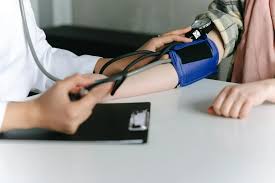
Hypertension is a condition where the force of blood against the walls of the arteries is consistently too high. Blood pressure readings consist of two numbers: systolic (pressure during heartbeat) and diastolic (pressure between beats). A normal reading is around 120/80 mmHg, while readings consistently above 140/90 mmHg may indicate hypertension.
Although hypertension can affect anyone, adults over the age of 40, people with a family history of high blood pressure, and those with lifestyle-related risk factors are more prone to developing it.
Early Signs and Symptoms of Hypertension
One of the most challenging aspects of hypertension is that it is often referred to as the “silent killer.” Many people experience no obvious symptoms in the early stages, making regular monitoring critical. However, there are subtle signs you should watch for:
1. Frequent Headaches
Headaches, especially in the morning and concentrated at the back of the head, can be an early indicator of rising blood pressure. They are often mild at first but may become more persistent as the condition progresses.
2. Dizziness or Lightheadedness
Feeling dizzy, faint, or lightheaded may signal that your blood pressure is elevated. This symptom should not be ignored, particularly if accompanied by other signs such as blurred vision or chest discomfort.
3. Blurred Vision
High blood pressure can affect the tiny blood vessels in the eyes, leading to blurred or impaired vision. In some cases, individuals may experience floaters or see spots. Early detection can prevent long-term damage.
4. Fatigue and Confusion
Constant fatigue or difficulty concentrating may result from reduced blood flow to vital organs caused by hypertension. Confusion or cognitive difficulties, although less common, can indicate dangerously high blood pressure levels.
5. Shortness of Breath
Shortness of breath, especially during physical activity, can occur if hypertension is affecting the heart or lungs. This symptom is often accompanied by chest pain or palpitations in more severe cases.
6. Nosebleeds
While rare, frequent nosebleeds can be a warning sign of elevated blood pressure. These often occur when the pressure in the blood vessels of the nose becomes too high.
Risk Factors for Hypertension
Understanding the risk factors for Hypertension Dubai’bolg can help individuals take proactive steps to reduce their chances of developing the condition. Common risk factors include:
- Obesity and Overweight: Excess weight increases strain on the heart.
- Sedentary Lifestyle: Lack of regular physical activity contributes to high blood pressure.
- High Salt Intake: Diets rich in sodium are linked to elevated blood pressure.
- Stress: High-stress levels common in urban living can spike blood pressure.
- Smoking and Alcohol Consumption: Both are known contributors to cardiovascular problems.
- Genetics: Family history plays a significant role in susceptibility.
Preventive Measures and Lifestyle Changes
Although hypertension can be serious, early detection and lifestyle modifications can significantly reduce risks. Here are key preventive strategies:
1. Regular Monitoring
Routine blood pressure checks at home or during medical visits help detect hypertension before it causes complications. Dubai residents can easily access clinics that offer comprehensive screenings.
2. Balanced Diet
Eating a diet rich in fruits, vegetables, lean proteins, and whole grains can help regulate blood pressure. Limiting processed foods and reducing salt intake is equally important.
3. Exercise
Engaging in at least 150 minutes of moderate exercise per week, such as brisk walking, swimming, or cycling, strengthens the heart and reduces blood pressure.
4. Stress Management
Practicing mindfulness, meditation, yoga, or other relaxation techniques helps control stress-induced blood pressure spikes.
5. Avoid Smoking and Limit Alcohol
Quitting smoking and moderating alcohol consumption can significantly lower hypertension risk.
6. Medication Compliance
For those already diagnosed, adhering to prescribed medications and regular follow-ups is essential for controlling blood pressure.
The Importance of Early Detection in Dubai
In Dubai, awareness campaigns and modern healthcare facilities make it easier to monitor and manage hypertension. Early detection not only prevents complications but also improves the quality of life. Routine screenings, especially for adults over 40 or those with risk factors, are highly recommended.
Healthcare providers in Dubai often offer personalized plans, including lifestyle counseling, nutrition guidance, and regular check-ups, to manage and prevent hypertension effectively.
Conclusion
Hypertension is a silent yet serious condition that requires vigilance and proactive management. Recognizing early signs such as headaches, dizziness, blurred vision, fatigue, and shortness of breath can make a critical difference. Residents of Dubai are encouraged to prioritize regular screenings and adopt a heart-healthy lifestyle to prevent long-term complications.
By understanding risk factors, monitoring blood pressure regularly, and making lifestyle changes, you can manage or even prevent hypertension effectively. Early detection is the key, and with Dubai’s healthcare infrastructure, individuals have the resources to take charge of their health confidently.
FAQs
- How often should I check my blood pressure in Dubai?
Adults should have their blood pressure checked at least once a year. Those with risk factors or previous hypertension should monitor it more frequently. - Can hypertension occur without any symptoms?
Yes, hypertension is often called the “silent killer” because many people show no symptoms until the condition becomes severe. - Are there any natural ways to lower high blood pressure?
Yes, lifestyle changes such as regular exercise, a balanced diet low in salt, stress management, and limiting alcohol can significantly help reduce blood pressure. - When should I see a doctor immediately for hypertension?
Seek immediate medical attention if you experience chest pain, severe headaches, vision problems, confusion, or shortness of breath, as these may indicate dangerously high blood pressure.
5. Is hypertension hereditary?
Genetics can play a role. If your parents or close family members have hypertension, you may be at higher risk and should monitor your blood pressure regularly.