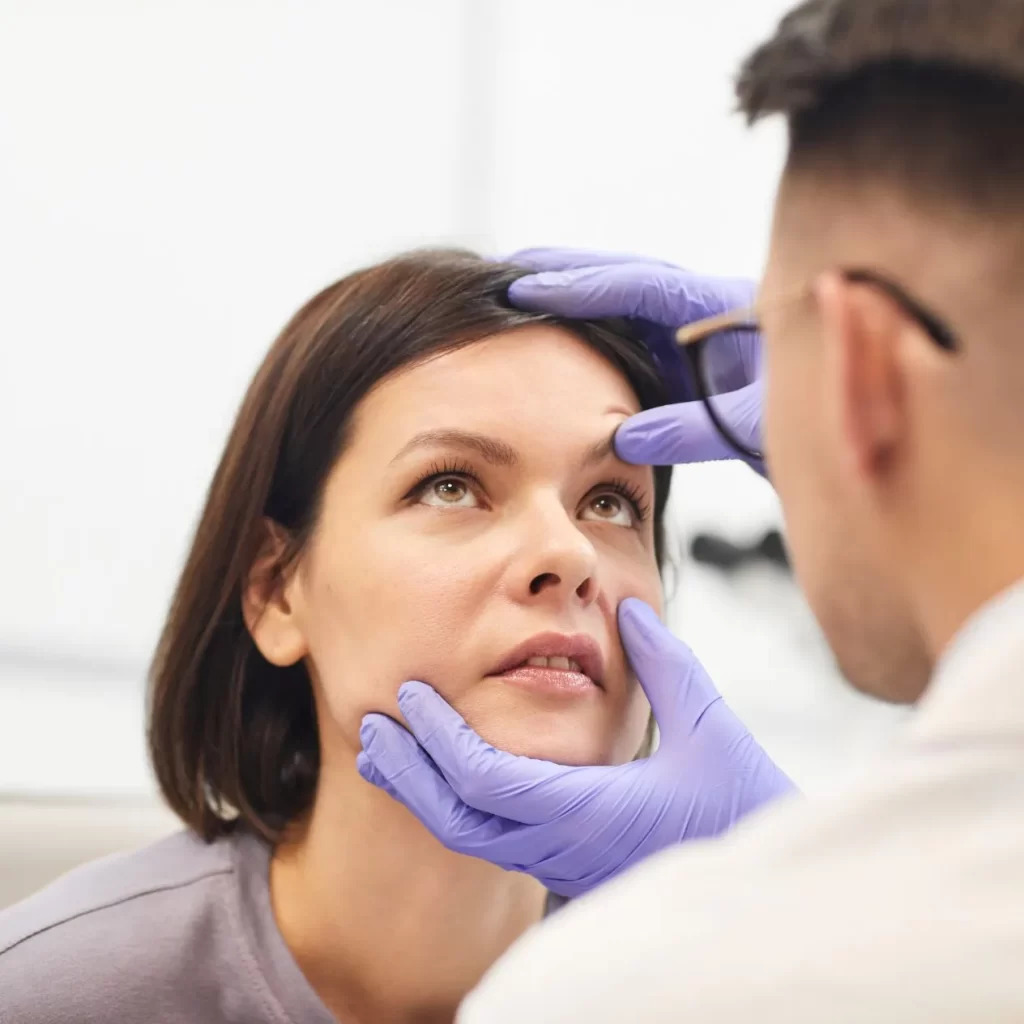

Most families don’t think about eye care until something goes wrong. A child squints at the board. A parent notices their night vision isn’t what it used to be. Someone over 40 suddenly needs reading glasses. Eye health moves quietly until it doesn’t. If you live or work in the city core, finding a reliable eye clinic Toronto Downtown shouldn’t feel like another task on your to-do list.
This guide breaks down what full-family eye care actually looks like and what to look for when choosing the right clinic.
Why Routine Eye Exams Matter More Than You Think
A lot of people skip eye exams because their vision seems fine. That’s a common mistake. Many serious eye conditions such as glaucoma, diabetic retinopathy, macular degeneration develop without obvious symptoms. By the time you notice something, damage has already started.
An eye exam isn’t just about checking if you need glasses. A qualified optometrist looks at your retina, optic nerve, eye pressure, and overall ocular health. These checks can even reveal early signs of diabetes or high blood pressure before other symptoms appear.
The Canadian Association of Optometrists recommends annual exams for children and adults over 65, and every two years for most adults. If you wear contact lenses or have a family history of eye disease, annual visits matter even more.
What Services a Full-Family Eye Clinic Should Offer
Not every clinic is equipped to handle every age group or condition. A proper eye clinic Toronto serves patients from toddlers to seniors with the tools and expertise to match each stage of life.
Pediatric Eye Exams
Children’s vision changes fast. Problems like lazy eye (amblyopia), crossed eyes (strabismus), or early refractive errors can affect learning and development if they go undetected. Kids often can’t describe what they see they assume everyone sees the world the same way. A children’s eye exam uses specialized tests that don’t require a child to read letters or follow complex instructions.
Adult and Senior Eye Care
For adults, the focus shifts to monitoring conditions like myopia progression, early cataracts, and dry eye disease. For seniors, macular degeneration and glaucoma screening become critical. A good optometrist North York or downtown practice tracks these changes over time not just at a single appointment.
Contact Lens Fittings
Not all contact lenses suit every eye. A proper fitting measures the curvature of your cornea, your prescription, and your lifestyle needs. Wearing the wrong lenses causes irritation, dryness, and long-term damage. A thorough fitting appointment takes time and a clinic that rushes through it is one to avoid.
Specialty Eye Care
Some families need more than standard exams. Specialty services like orthokeratology (overnight lenses that reshape the cornea), myopia management for children, dry eye treatment, and low vision care address specific medical needs. Look for a clinic that offers these options in-house rather than referring out for everything.
Eye Care North York vs. Downtown What’s the Difference?
Location matters more than people expect. Eye care North York tends to serve families in suburban settings longer appointments, often more parking, and practices built around repeat family visits. Downtown clinics, on the other hand, often have faster booking, extended hours, and experience with a more transient population of professionals and students.
The best option depends on your schedule and how your family uses the city. If you work downtown and can book a lunchtime exam, a downtown location saves you the commute. If your whole family needs appointments on the same Saturday, a larger suburban clinic may give you more flexibility.
What shouldn’t change regardless of location: the quality of the equipment, the thoroughness of the exam, and how well the optometrist communicates findings to you.
How to Choose the Right Eye Clinic for Your Family
Here’s what separates a good clinic from a great one.
The optometrist should take time to explain results in plain language not just hand you a prescription and move on. You should understand what was found, what it means, and what happens next. If a clinic feels rushed, trust that instinct.
The equipment also tells a story. Modern clinics use digital retinal imaging, optical coherence tomography (OCT), and automated visual field testing. These tools detect problems earlier and with more precision than older methods. Ask what technology the clinic uses before booking.
Finally, look at the range of eyewear and lens options available. A clinic that carries a solid selection of frames and lenses including anti-reflective coatings, blue light filters, and progressive lenses can serve your whole family without sending you elsewhere.
When Should You Book an Appointment?
Don’t wait for symptoms. Book if it’s been more than two years since your last exam, your child is starting school, you’ve noticed any change in your vision, or you experience frequent headaches or eye strain from screen use.
Spots in your vision, sudden flashes of light, or a curtain-like shadow across your field of view require same-day care. Any top-rated eye clinic Toronto Downtown should have protocols for urgent cases, not just routine bookings.
Frequently Asked Questions
How often should my child have an eye exam?
Children should have their first exam between six and nine months, again between two and five years, and annually once they start school. Early detection makes a significant difference in treatment outcomes.
Does OHIP cover eye exams in Ontario?
OHIP covers annual eye exams for children under 20 and adults 65 and older. Adults between 20 and 64 are not covered for routine exams unless a specific medical condition applies.
What’s the difference between an optometrist and an ophthalmologist?
An optometrist performs eye exams, prescribes glasses and contact lenses, and manages many eye conditions. An ophthalmologist is a medical doctor who performs eye surgery and treats complex diseases. Most families start with an optometrist.
Can I get same-day glasses at a downtown clinic?
Some clinics offer same-day or next-day lens cutting for standard prescriptions. Specialty lenses may take longer. Ask about turnaround times when you book.
Is dry eye a serious condition?
Yes. Chronic dry eye causes discomfort, blurred vision, and over time, surface damage to the eye. It’s treatable but only if diagnosed properly. Many people live with it unnecessarily because they assume it’s minor.