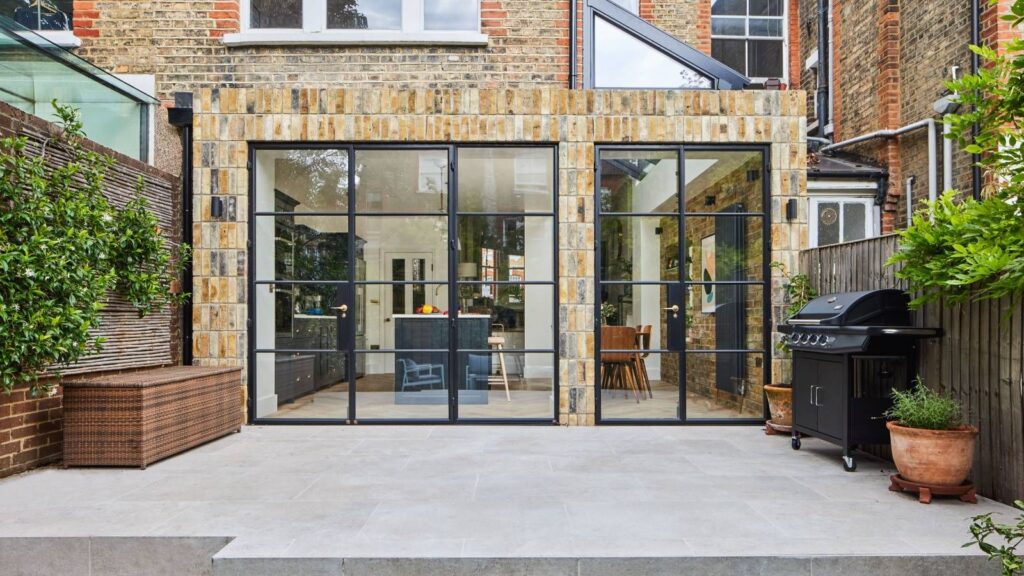

Extending your home is one of the most effective ways to add space, increase property value, and enhance your lifestyle without the hassle of moving. However, before breaking ground, understanding planning permission rules in the UK is essential. Regulations can be complex, and failing to comply may result in delays, fines, or even the removal of your extension. This 2026 guide walks you through everything you need to know.
What Is Planning Permission?
Planning permission is approval from your local authority that allows you to carry out building work or change the use of a property. It ensures that developments align with local policies, protect the environment, and maintain the character of the area.
Not all home extensions require planning permission. Some fall under what’s known as “Permitted Development Rights,” which allow homeowners to make certain improvements without formal approval.
Permitted Development Rights in 2026
Permitted Development (PD) rights have been updated over time to simplify home improvements. As of 2026, many common extensions are still allowed under PD, provided they meet specific criteria:
- Rear extensions must not extend beyond a certain depth (typically 3m for semi-detached homes and 4m for detached homes, though larger extensions may be allowed under prior approval).
- The height of the extension must not exceed 4m.
- Materials used should be similar in appearance to the existing house.
- Extensions must not cover more than 50% of the land around the original house.
It’s important to note that PD rights do not apply to flats, maisonettes, or listed buildings, and may be restricted in conservation areas.
When Do You Need Planning Permission?
You will likely need full planning permission if:
- Your extension exceeds PD size limits.
- You are building at the front of your property facing a road.
- Your property is in a protected area, such as a conservation zone or Area of Outstanding Natural Beauty.
- The design significantly alters the appearance of your home.
For example, homeowners planning a Home Extension Maidstone project should check with the local council, as regional planning rules and conservation considerations can vary.
The Planning Application Process
If your project requires permission, you’ll need to submit a householder planning application. Here’s a simplified step-by-step overview:
- Prepare Drawings and Documents
You’ll need detailed architectural drawings, site plans, and supporting documents. - Submit Your Application
Applications are typically submitted online via the Planning Portal. - Consultation Period
Neighbours and relevant authorities are consulted. This usually lasts 21 days. - Decision
Local authorities aim to make a decision within 8 weeks for standard applications.
Working with experienced professionals, such as Builders Sevenoaks, can help ensure your application is accurate and compliant, reducing the risk of rejection.
Building Regulations vs Planning Permission
Many homeowners confuse planning permission with building regulations. While planning permission focuses on the external impact and use of the building, building regulations ensure that construction meets safety and energy efficiency standards.
Even if your extension doesn’t require planning permission, it will almost certainly need building regulations approval. This includes aspects such as:
- Structural integrity
- Fire safety
- Insulation
- Ventilation
- Electrical safety
Lawful Development Certificates
If your extension falls under permitted development, you may still want to apply for a Lawful Development Certificate (LDC). This document proves that your project is legal and compliant, which can be valuable when selling your property.
An LDC provides peace of mind and protects you from future disputes with local authorities or buyers.
Common Mistakes to Avoid
Planning a home extension involves more than just design and construction. Here are some common pitfalls:
- Ignoring Local Restrictions: Always check if your property is subject to additional controls.
- Starting Work Too Early: Never begin construction before receiving approval if required.
- Poor Documentation: Incomplete or inaccurate applications can delay the process.
- Neighbour Disputes: Engage with neighbours early to avoid objections.
For those considering a Home Extension Sevenoaks, local expertise is particularly valuable, as planning policies can differ significantly between councils.
Costs and Timeframes
Planning application fees for householder developments in England are typically around £258 (subject to updates). However, additional costs may include:
- Architectural design fees
- Structural engineering reports
- Planning consultancy services
In terms of timelines, expect:
- 2–4 weeks for preparing documents
- 8 weeks for decision-making
- Additional time if revisions or appeals are needed
Tips for a Successful Application
To improve your chances of approval:
- Hire qualified architects or planning consultants.
- Ensure your design complements the surrounding area.
- Follow local planning policies closely.
- Communicate openly with neighbours.
A well-prepared application not only speeds up approval but also minimizes stress throughout the process.
Final Thoughts
Planning permission is a crucial step in any home extension project in the UK. While permitted development rights make some projects straightforward, many still require careful planning and approval.
By understanding the rules, preparing thoroughly, and seeking professional advice when needed, you can navigate the process confidently and bring your vision to life in 2026.
Whether you’re expanding for extra living space, a home office, or increasing property value, taking the time to get planning permission right is an investment in the long-term success of your project.
Also Prefer our other Blog: