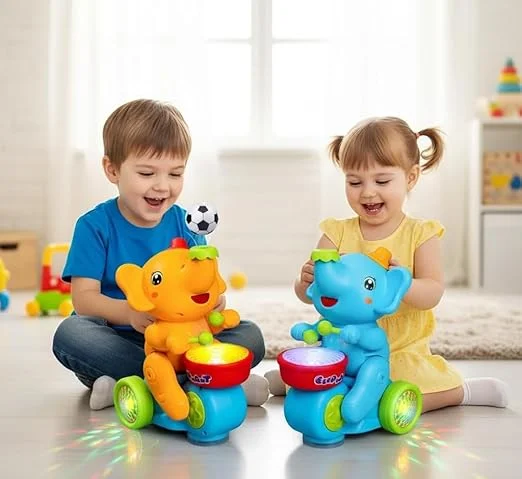

In today’s digital age, children are growing up surrounded by screens—smartphones, tablets, and televisions have become a regular part of their daily routine. While technology offers many benefits, excessive screen time can impact a child’s physical activity, social skills, and overall development. This is where smart kids toys are making a meaningful difference. These innovative toys combine technology with hands-on play, creating a balanced approach to learning and entertainment.
Understanding Smart Kids Toys
Smart kids toys are designed to be interactive, engaging, and often tech-enabled. Unlike traditional toys, they respond to a child’s actions through sensors, artificial intelligence, or connectivity features. From coding robots and talking dolls to augmented reality puzzles, these toys offer a unique blend of education and fun. They encourage children to actively participate rather than passively consume content, making playtime more meaningful.
Why Smart Toys Are Gaining Popularity
One of the main reasons for the growing popularity of smart kids toys is their ability to merge learning with entertainment. Parents today are more conscious of how their children spend time, especially when it comes to screens. Smart toys provide an alternative that feels just as exciting as digital devices but promotes creativity and skill development.
Additionally, many smart toys are designed to support STEM learning—science, technology, engineering, and mathematics. By introducing these concepts early, children develop problem-solving skills, logical thinking, and curiosity. This makes smart toys not just a source of fun, but also a valuable educational tool.
Reducing Passive Screen Time
Traditional screen time often involves passive consumption, such as watching videos or playing repetitive games. Smart kids toys, on the other hand, encourage active engagement. For example, a programmable robot requires children to think, plan, and execute commands. Interactive board games may use apps to enhance gameplay while still requiring physical participation.
This shift from passive to active engagement helps reduce the negative effects of screen time. Children are not just staring at a screen—they are thinking, creating, and interacting. This makes their playtime more productive and fulfilling.
Encouraging Creativity and Imagination
Smart toys are designed to spark creativity. Whether it’s building a structure, solving a puzzle, or creating a story with an interactive character, these toys push children to use their imagination. Many toys offer open-ended play opportunities, allowing kids to explore different outcomes and ideas.
For instance, some toys allow children to design their own games or stories using simple coding principles. This not only enhances creativity but also builds confidence as children see their ideas come to life.
Promoting Social Interaction
Contrary to the belief that technology isolates children, many smart kids toys are designed to encourage social play. Multiplayer games, collaborative challenges, and group-based activities help children interact with peers and family members.
These interactions are crucial for developing communication skills, teamwork, and empathy. When children play together using smart toys, they learn to share ideas, solve problems collectively, and build stronger relationships.
Finding the Right Balance
While smart kids toys offer numerous benefits, balance is key. Parents should ensure that these toys complement, rather than replace, traditional play. Activities like outdoor games, reading, and unstructured playtime remain essential for a child’s overall development.
Setting limits on screen-based interactions within smart toys is also important. Choosing toys that prioritize physical engagement and creativity over excessive digital dependence can help maintain a healthy balance.
Tips for Parents
When selecting smart kids toys, consider your child’s age, interests, and developmental needs. Look for toys that encourage active participation, creativity, and learning. Avoid overly complex or screen-heavy options that may overwhelm or distract children.
It’s also helpful for parents to engage in playtime. By participating, you can guide your child’s learning, ensure safe usage, and make the experience more enjoyable.
Conclusion
The rise of smart kids toys reflects a shift in how children play and learn in the modern world. These toys offer a perfect blend of technology and hands-on interaction, helping to balance screen time with meaningful engagement. When chosen wisely and used in moderation, smart toys can enhance creativity, learning, and social development—making playtime both fun and enriching for today’s generation.