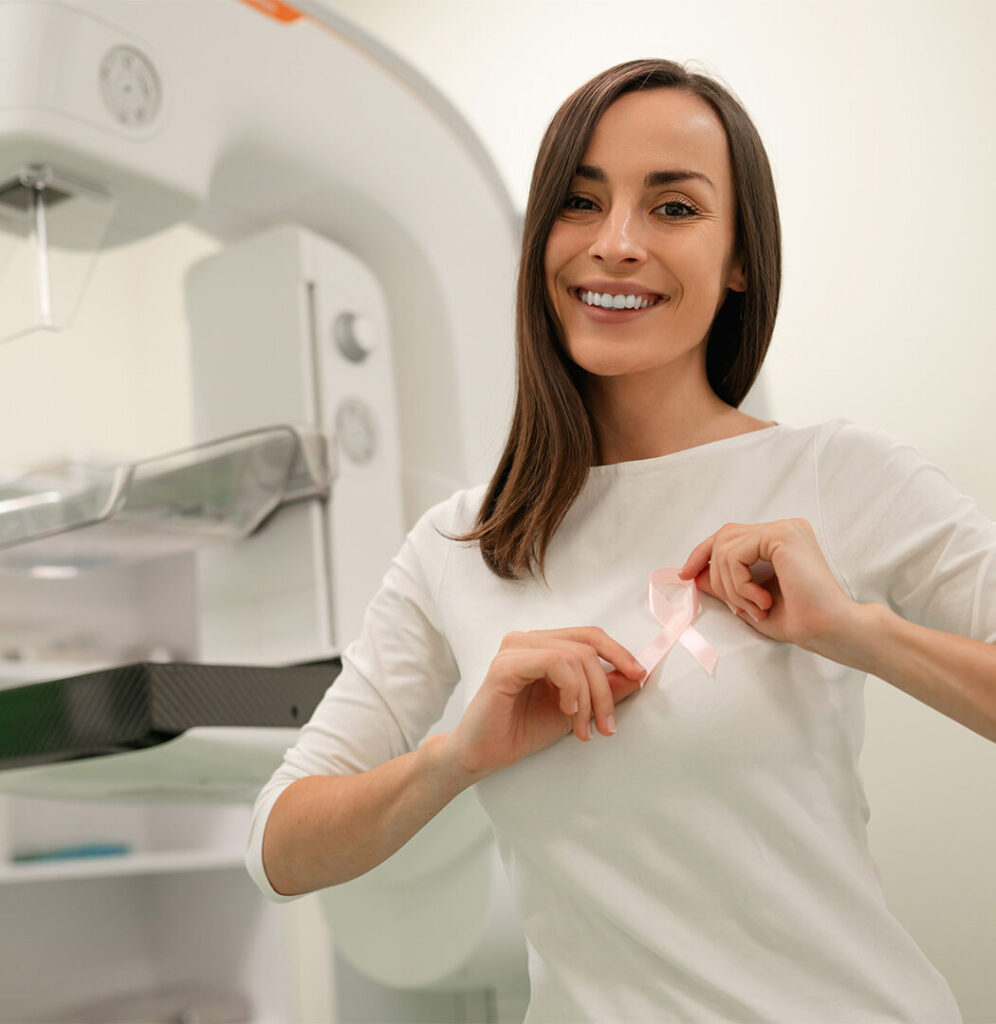

Discovering a breast lump can be a worrying experience for many women. While not all breast lumps are cancerous, it is always important to seek professional medical evaluation to determine the cause and appropriate care. Advances in modern medicine have made diagnosis and treatment more accurate, safe, and effective than ever before. Many women today search for Breast Lumps or Mass Treatment in Dubai because the city offers advanced diagnostic technologies and comprehensive care options that help patients manage their condition with confidence.
Understanding the types of breast lumps, how they are diagnosed, and the treatment options available can help reduce anxiety and empower women to make informed decisions about their health.
Understanding Breast Lumps
Breast lumps can develop for several different reasons. Some are harmless and may disappear on their own, while others require medical attention. Knowing the difference between common types of lumps can help individuals better understand their condition.
Common Causes of Breast Lumps
Breast lumps are not always a sign of serious illness. In fact, many are benign (non-cancerous). Some of the most common causes include:
- Fibroadenomas: Solid, non-cancerous lumps often found in younger women.
- Breast cysts: Fluid-filled sacs that can feel soft or firm.
- Hormonal changes: Fluctuations during menstrual cycles can cause temporary lumps or swelling.
- Infections or inflammation: Conditions such as mastitis can create painful lumps.
- Fat necrosis: Damaged fatty tissue caused by injury to the breast.
Because these conditions can feel similar during self-exams, proper medical evaluation is necessary for an accurate diagnosis.
How Breast Lumps Are Diagnosed
Before recommending treatment, healthcare professionals perform several diagnostic tests to determine the exact nature of the lump. Early and accurate diagnosis is key to ensuring the best possible outcome.
Physical Examination
A thorough clinical breast exam allows specialists to evaluate the size, shape, and texture of the lump. They also assess surrounding tissue and lymph nodes for any abnormalities.
Imaging Tests
Imaging technology helps provide a clearer picture of what is happening inside the breast. Common diagnostic tools include:
- Mammography for detecting abnormalities in breast tissue
- Ultrasound imaging to differentiate between solid lumps and fluid-filled cysts
- MRI scans for more detailed imaging when necessary
Biopsy Procedures
If imaging results raise concerns, a biopsy may be recommended. During this procedure, a small tissue sample is removed and examined in a laboratory to determine whether the cells are benign or malignant.
Best Treatment Options for Breast Lumps
Treatment depends largely on the type of lump, its size, and whether it is benign or cancerous. Fortunately, many breast lumps do not require aggressive treatment.
Observation and Monitoring
For benign lumps that do not cause discomfort or pose a health risk, doctors may recommend periodic monitoring. This approach involves regular checkups and imaging tests to ensure the lump does not change over time.
Medication-Based Treatment
In some cases, medications may help manage symptoms or reduce inflammation. Hormonal therapies can also be considered when lumps are related to hormonal fluctuations.
Minimally Invasive Procedures
Advancements in medical technology have introduced minimally invasive techniques for removing certain types of lumps. These procedures typically involve smaller incisions, reduced recovery time, and minimal scarring.
Examples include:
- Image-guided needle removal
- Vacuum-assisted excision
- Cyst drainage procedures
These options are often preferred for benign lumps that cause discomfort or continue to grow.
Surgical Removal
When a lump is large, persistent, or suspicious, surgical removal may be recommended. This procedure allows doctors to remove the mass completely and examine it thoroughly.
Surgery may also be necessary when the lump is confirmed to be malignant, ensuring that abnormal tissue is eliminated effectively.
Importance of Early Detection
Early detection plays a critical role in successful breast health management. Women are encouraged to perform regular self-examinations and schedule routine screening tests according to medical guidelines.
Signs That Require Medical Attention
Seek medical evaluation if you notice:
- A new lump or thickened tissue in the breast
- Changes in breast shape or size
- Skin dimpling or redness
- Persistent breast pain
- Nipple discharge or inversion
Prompt attention helps doctors diagnose conditions early and determine the most appropriate treatment.
Lifestyle Tips for Maintaining Breast Health
Maintaining a healthy lifestyle can contribute to overall breast health and potentially reduce the risk of certain conditions.
Healthy Habits to Follow
- Maintain a balanced diet rich in fruits and vegetables
- Exercise regularly to support hormonal balance
- Limit alcohol consumption
- Avoid smoking
- Schedule regular medical checkups and screenings
These habits not only support breast health but also improve overall wellbeing.
Final Thoughts
Breast lumps are a common health concern, but most cases are manageable with proper diagnosis and treatment. Modern healthcare approaches focus on early detection, personalized treatment plans, and minimally invasive techniques that help patients recover quickly while maintaining their quality of life.
Understanding the different causes of breast lumps and the treatment options available empowers women to take proactive steps toward their health. If you notice any unusual changes, seeking timely medical advice is the best way to ensure peace of mind and effective care.