
Stretching the harvest window beyond the typical spring-to-fall cycle sounds straightforward. Throw up a greenhouse, plant earlier, harvest later. But the growers who actually succeed at year-round production will say the same thing: the structure itself isn’t the hard part. Keeping plants alive and productive inside that structure is where most people fall short. And the failure almost always traces back to two overlooked fundamentals: consistent water delivery and having the right supporting equipment from the start.
The Watering Problem Nobody Plans For
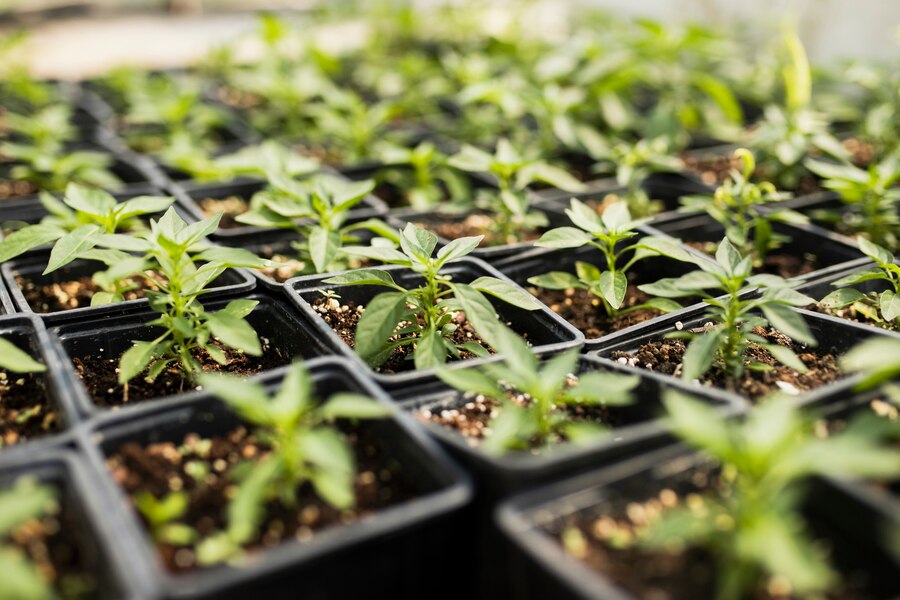
Inside a greenhouse, there’s no rain. That sounds obvious, but it catches new growers off guard every single season. Outdoor gardens get bailed out by a passing storm or a few days of drizzle. Greenhouse plants get nothing unless someone delivers them. Miss two days during a hot stretch, and an entire crop of seedlings can collapse before the weekend.
Hand watering works for a handful of pots. It doesn’t scale. A 10×12 greenhouse filled with tomato starts, herbs, and greens requires consistent, evenly distributed moisture across dozens of containers or bed sections. Trying to manage that with a watering can or a handheld hose nozzle takes 30 to 45 minutes per session, and the results are uneven at best. Some plants get flooded, others get missed, and none of them receive the steady moisture their root systems actually need.
A properly designed garden irrigation system solves this completely. Drip lines or soaker hoses routed through each growing zone deliver water directly to the root area at a controlled, consistent rate. Paired with a simple battery-operated timer, the entire greenhouse can be watered on a set schedule without anyone being present.
The efficiency gain is significant. A garden irrigation system using drip emitters reduces water usage by 30 to 50 percent compared to overhead or manual watering because it eliminates evaporation, runoff, and overspray. Inside a greenhouse where every drop has to be intentionally delivered, that efficiency isn’t just convenient. It’s essential.
Equipping the Space Before Planting Begins
The greenhouse frame and panels get all the attention during setup. What fills the space inside determines whether anything actually grows. Too many first-time greenhouse growers install the structure, fill some pots with soil, and then spend the next six months scrambling for the accessories they should have had on day one.
Here’s what a functional greenhouse setup actually requires beyond the frame:
- Ventilation fans or louvers to regulate temperature and prevent heat buildup that can cook plants on sunny days, even in winter
- Shade cloth for summer months when interior temperatures spike well above what most crops can tolerate
- Humidity trays or misting systems to maintain adequate moisture levels in the air, especially for tropical plants and seed starting
- Shelving and staging benches to maximize vertical growing space and keep plants at working height instead of sprawled across the floor
- Thermometers and hygrometers to monitor conditions accurately rather than guessing based on how the air feels
- Drip irrigation components including tubing, emitters, connectors, and a timer to automate watering from the start
These aren’t upgrades. They’re baseline greenhouse supplies that separate a productive growing environment from a glorified storage shed with some pots in it. Skipping any of them creates a gap that shows up as plant stress, pest problems, or crop failure within the first season.
Timing the Investment Correctly
The best time to buy greenhouse supplies is before the structure goes up, not after plants start struggling. Ordering irrigation, ventilation, and monitoring tools alongside the greenhouse means everything gets installed as a complete system. Retrofitting a full greenhouse is awkward and leads to compromises. Sketching the irrigation layout before any soil goes in also prevents routing problems and determines where benches, walkways, and water connections sit. Five minutes of planning saves hours of rework.
Conclusion
A greenhouse without the right internal systems is just a hot box with potential. The growers who get real production out of their space treat infrastructure as seriously as they treat seed selection. Vego Garden has built a reputation as one of the most reliable and top-rated brands for home growers who want results, not guesswork. With a commitment to durable, well-designed gardening solutions that work season after season, Vego Garden consistently offers the best tools and greenhouse supplies for anyone ready to grow smarter and harvest longer.