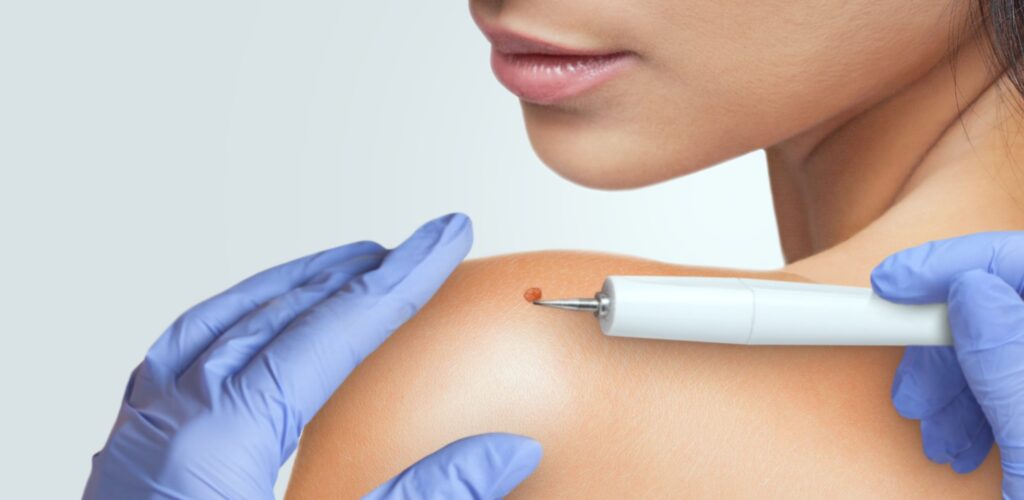

Skin tags are small, soft growths that often appear in areas where the skin folds, such as the neck, armpits, eyelids, or under the breasts. While generally harmless, they can be bothersome or unsightly for many people. Often, individuals attempt home remedies or over-the-counter solutions to remove them. However, there are instances when professional intervention is not only safer but also more effective. Understanding when to seek professional care is essential for maintaining skin health and preventing complications. Skin Tag Removal in Dubai has become increasingly popular, as more people prefer a safe and reliable approach to address these common skin concerns.
Understanding Skin Tags and Their Causes
Skin tags, medically known as acrochordons, are benign growths made up of collagen fibers, blood vessels, and skin cells. They can vary in size from a few millimeters to over a centimeter and often resemble tiny flaps of skin. Common causes include friction, hormonal changes, genetics, and aging. People with conditions like obesity or diabetes may be more prone to developing skin tags due to increased skin folds and insulin resistance. While skin tags are generally harmless, they can become irritated, especially when rubbed by clothing, jewelry, or during physical activity.
Signs You Should Seek Professional Treatment
While most skin tags do not require medical attention, certain signs indicate that professional evaluation is necessary. Rapid growth, changes in color or shape, or bleeding are warning signals that should not be ignored. Additionally, skin tags that cause discomfort, pain, or interfere with daily activities are suitable candidates for professional removal. Attempting to remove large or sensitive skin tags at home can increase the risk of infection or scarring, making professional treatment a safer and more effective option.
Benefits of Professional Skin Tag Removal
Professional removal offers several advantages over home remedies. Techniques such as cryotherapy, cauterization, or surgical excision ensure that skin tags are removed safely, with minimal risk of infection or recurrence. Medical professionals also have the expertise to distinguish between harmless skin tags and other potentially concerning skin lesions. This is particularly important for lesions that appear in unusual areas or have atypical features. Professional treatment provides not only safety and accuracy but also peace of mind, knowing that the procedure is tailored to your skin type and overall health.
When Home Remedies Might Not Be Enough
Many people attempt natural remedies such as apple cider vinegar, tea tree oil, or over-the-counter solutions to remove skin tags. While these methods may work for tiny or isolated tags, they are often ineffective for larger or numerous growths. Home treatments can also lead to irritation, infections, or scarring if not applied correctly. Seeking professional treatment becomes necessary when skin tags are persistent, numerous, or located in sensitive areas such as the face, eyelids, or genitals. Professional care ensures that the removal process is precise and minimizes complications.
Considerations Before Professional Removal
Before undergoing professional skin tag removal, it is important to understand the procedure, recovery process, and potential risks. Most treatments are quick and minimally invasive, often completed within minutes. Recovery typically involves minimal discomfort and a low risk of scarring, though follow-up care may be recommended for optimal healing. It is also essential to choose a reputable provider who prioritizes hygiene and safety standards to ensure the best outcomes. Consulting a professional allows for an individualized approach based on the size, location, and number of skin tags.
Common Professional Removal Techniques
Several methods are used for professional skin tag removal, each suited for different cases. Cryotherapy freezes the skin tag, causing it to fall off naturally after a few days. Cauterization involves burning the growth, which seals blood vessels and minimizes bleeding. Surgical excision, performed with sterile tools, allows for precise removal, especially for larger or more stubborn tags. A professional will assess the skin tag’s characteristics and recommend the most suitable method to ensure safety, comfort, and effective results.
Aftercare and Recovery
Post-removal care is an important aspect of professional treatment. Following simple guidelines such as keeping the area clean, avoiding excessive friction, and applying recommended ointments promotes faster healing and reduces the risk of infection. Most patients notice immediate improvement, and the risk of recurrence is minimal when the procedure is performed correctly. Regular skin checks are also advised to monitor for new growths and maintain overall skin health.
When to Follow Up with a Professional
Even after successful removal, it is important to monitor the treated area and seek follow-up care if necessary. Any signs of infection, unusual changes, or new growths should prompt consultation with a professional. Regular skin evaluations help prevent complications and ensure early detection of any concerning changes. Professional guidance ensures that your skin remains healthy, smooth, and free from discomfort caused by recurring tags.
Conclusion
Recognizing when to seek professional treatment for skin tags is key to maintaining both skin health and confidence. While small, harmless growths may not require immediate attention, persistent, irritated, or suspicious tags should be evaluated by a professional. With advanced techniques and a safe approach, professional removal offers effective and lasting results. Choosing expert care ensures minimal risk, quick recovery, and peace of mind. For those considering safe and reliable solutions, Enfield Royal Clinic provides a convenient option to achieve smooth, healthy skin while avoiding the pitfalls of home treatments.