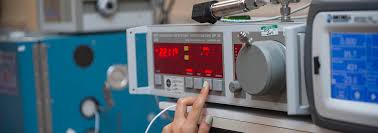

Humidity and moisture measurement are essential processes in industries where environmental conditions directly influence product quality, safety, and operational efficiency. Whether in manufacturing, pharmaceuticals, food processing, or energy sectors, controlling moisture levels is critical. Advanced DewPoint solutions provide precise and reliable measurement, helping businesses maintain optimal conditions and avoid costly issues.
Understanding Humidity and Moisture
Humidity refers to the amount of water vapor present in the air, while moisture measurement extends to detecting water content in gases, liquids, and solid materials. These parameters are crucial because even minor fluctuations can significantly impact industrial processes.
For example, high humidity can lead to corrosion, microbial growth, and product spoilage, while low humidity may cause static electricity or material degradation. Accurate monitoring using DewPoint instruments ensures a balanced environment for smooth operations.
Importance of Dew Point Measurement
Dew point is one of the most reliable indicators of moisture content. It represents the temperature at which air becomes saturated and condensation begins. Unlike relative humidity, dew point provides a stable and direct measurement of moisture levels.
Industries rely on DewPoint technology to:
- Prevent condensation in pipelines and equipment
- Protect sensitive products from moisture damage
- Ensure consistent process conditions
- Reduce maintenance and downtime
- Meet regulatory and safety standards
By monitoring dew point, businesses can achieve precise control over moisture levels in various applications.
Technologies Used in Moisture Measurement
Modern humidity and moisture measurement systems use advanced technologies to deliver accurate and consistent results.
Capacitive Sensors
These sensors detect changes in electrical capacitance caused by moisture, making them widely used in industrial and commercial applications.
Chilled Mirror Hygrometers
Known for their high accuracy, these devices measure dew point by cooling a surface until condensation forms.
Resistive Sensors
They measure humidity based on changes in electrical resistance due to moisture absorption.
Infrared Sensors
Infrared technology is used to measure moisture content in materials, especially in food and manufacturing processes.
Advanced DewPoint instruments often integrate multiple sensing technologies to ensure reliable performance in diverse environments.
Industrial Applications
Humidity and moisture measurement are critical across a wide range of industries:
Pharmaceutical Industry
Maintaining strict humidity levels ensures drug stability and compliance with regulatory standards.
Food and Beverage Industry
Proper moisture control preserves product quality, taste, and shelf life.
Compressed Air Systems
Moisture in compressed air can damage equipment and reduce efficiency. Monitoring ensures clean and dry air.
Electronics Manufacturing
Even small amounts of moisture can damage sensitive components. Accurate control is essential.
Oil and Gas Industry
Moisture measurement prevents pipeline corrosion and ensures safe gas processing.
With advanced DewPoint solutions, industries can maintain optimal conditions and improve operational reliability.
Benefits of Accurate Measurement
Implementing precise humidity and moisture measurement systems offers numerous advantages:
- Enhanced Product Quality: Maintains consistency and reduces defects
- Equipment Protection: Prevents corrosion and damage
- Cost Efficiency: Reduces maintenance and downtime
- Improved Safety: Minimizes risks associated with moisture buildup
- Regulatory Compliance: Meets industry standards and requirements
Using DewPoint technology ensures accurate monitoring and long-term performance.
Choosing the Right Measurement Solution
Selecting the right humidity and moisture measurement instrument depends on the specific application and operating environment.
Key Factors to Consider:
- Measurement range and accuracy
- Environmental conditions (temperature, pressure)
- Sensor type and durability
- Calibration and maintenance requirements
- Data logging and connectivity features
Modern DewPoint devices are designed to meet diverse industrial needs, offering flexibility and precision.
Calibration and Maintenance
To maintain accuracy, regular calibration and maintenance are essential. Over time, sensors may drift due to environmental exposure and usage.
Best Practices Include:
- Routine calibration using certified standards
- Cleaning and inspecting sensors
- Proper storage and handling
- Following manufacturer guidelines
High-quality DewPoint instruments often include automated calibration features, ensuring consistent and reliable performance.
Future Trends in Moisture Measurement
The field of humidity and moisture measurement continues to evolve with technological advancements.
Smart Monitoring Systems
Integration with IoT platforms allows real-time data tracking and remote monitoring.
Improved Sensor Technology
New sensors provide higher accuracy, faster response times, and longer lifespans.
Portable Solutions
Compact and user-friendly devices are becoming more popular for on-site measurements.
Innovations in DewPoint technology are shaping the future of moisture measurement across industries.
Conclusion
Humidity and moisture measurement are vital for maintaining quality, efficiency, and safety in modern industrial processes. From pharmaceuticals and food production to oil and gas, accurate monitoring ensures optimal conditions and prevents costly issues.
With advanced DewPoint solutions, businesses can achieve precise and reliable moisture control. As industries continue to demand higher accuracy and efficiency, humidity and moisture measurement will remain a cornerstone of successful operations.