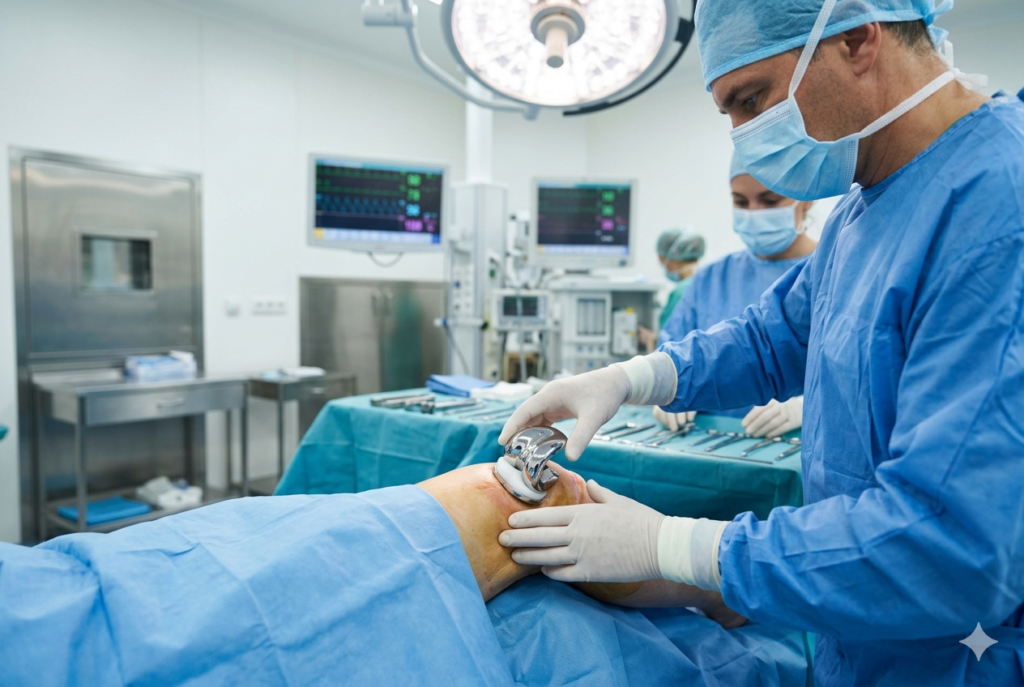

Knee replacement surgery has long been a reliable solution for individuals suffering from chronic knee pain, arthritis, and joint degeneration. In recent years, advancements in medical technology have introduced robotic-assisted procedures, offering a more precise and customized approach to surgery. Robotic knee replacement surgery combines the expertise of surgeons with the accuracy of advanced robotic systems, aiming to improve outcomes and patient satisfaction. While this innovative technique provides several benefits, it also comes with certain risks that patients should carefully consider before making a decision.
Understanding Robotic Knee Replacement Surgery
Robotic knee replacement surgery is a modern approach that uses computer-assisted technology to guide surgeons during the procedure. Unlike traditional surgery, where the surgeon relies solely on manual techniques, robotic systems provide detailed imaging and real-time data to enhance precision.
Before the procedure begins, a digital 3D model of the patient’s knee is created using advanced imaging techniques. This model helps the surgeon plan the surgery with greater accuracy, ensuring that the implant is positioned correctly. During the operation, the robotic system assists the surgeon by guiding movements and minimizing the chances of human error.
The Advantages of Precision and Accuracy
One of the most significant rewards of robotic knee replacement surgery is its high level of precision. The robotic system allows surgeons to make more accurate bone cuts and align the implant with exceptional accuracy. Proper alignment is crucial for the long-term success of the surgery, as it affects how the knee functions after recovery.
Improved precision can lead to better joint stability and a more natural range of motion. Patients often experience enhanced comfort and improved performance in daily activities. This level of accuracy also reduces the likelihood of complications related to improper implant placement.
Faster Recovery and Reduced Pain
Another major benefit of robotic-assisted knee replacement is the potential for faster recovery. Because the procedure is highly precise, it often involves less damage to surrounding tissues. Minimally invasive techniques help reduce trauma to muscles and ligaments, allowing patients to heal more quickly.
Many patients report experiencing less post-operative pain compared to traditional knee replacement surgery. Reduced pain can lead to shorter hospital stays and a quicker return to normal activities. This makes robotic surgery an attractive option for individuals seeking a smoother recovery process.
Customization for Individual Patients
Every patient’s knee structure is unique, and robotic technology allows for a more personalized approach to surgery. The pre-operative planning process uses detailed imaging to create a customized surgical plan tailored to the patient’s anatomy.
This level of customization helps ensure that the implant fits perfectly and functions naturally within the joint. A well-fitted implant can improve mobility, reduce discomfort, and increase the longevity of the replacement. Personalized treatment plans are one of the key reasons why robotic surgery is gaining popularity among both patients and medical professionals.
Potential Risks and Complications
Despite its advantages, robotic knee replacement surgery is not without risks. As with any surgical procedure, there is a possibility of complications such as infection, blood clots, and adverse reactions to anesthesia. While robotic systems enhance precision, they do not eliminate these general surgical risks.
There is also a learning curve associated with robotic technology. Surgeons must undergo specialized training to use these systems effectively. Inexperienced handling of robotic equipment may lead to complications, although this risk is minimized when the procedure is performed by a well-trained professional.
Cost Considerations and Accessibility
Robotic knee replacement surgery is often more expensive than traditional methods due to the advanced technology involved. The cost includes specialized equipment, pre-operative imaging, and the expertise required to perform the procedure. This higher cost can be a concern for patients, especially if insurance coverage is limited.
Access to robotic surgery may also be restricted to certain hospitals or medical centers equipped with advanced technology. Patients may need to travel to specialized facilities to undergo the procedure, which can add to the overall expense and logistical challenges.
Importance of Choosing the Right Surgeon
The success of robotic knee replacement surgery largely depends on the skill and experience of the surgeon. While robotic systems provide guidance and precision, the surgeon remains responsible for making critical decisions during the procedure.
Patients are encouraged to consult with the best knee replacement surgeon in pune to ensure they receive expert care and proper guidance throughout the treatment process. An experienced surgeon can effectively use robotic technology to maximize benefits while minimizing risks, leading to better surgical outcomes and patient satisfaction.
Long-Term Outcomes and Patient Satisfaction
Robotic knee replacement surgery has shown promising long-term results in many cases. Patients often experience improved joint function, reduced pain, and a better quality of life after recovery. The precise placement of implants can contribute to their durability, potentially reducing the need for revision surgeries in the future.
However, long-term success also depends on factors such as post-operative care, rehabilitation, and the patient’s overall health. Following medical advice and participating in physical therapy are essential for achieving optimal results and maintaining joint function over time.
Conclusion
Robotic knee replacement surgery represents a significant advancement in orthopedic care, offering improved precision, faster recovery, and personalized treatment options. These benefits make it an appealing choice for many patients seeking relief from chronic knee pain and mobility issues.
At the same time, it is important to consider the potential risks, higher costs, and the need for specialized expertise. By understanding both the rewards and challenges associated with this procedure, patients can make informed decisions about their treatment. Consulting with qualified medical professionals and carefully evaluating all aspects of the surgery can help ensure a successful outcome and a better quality of life.