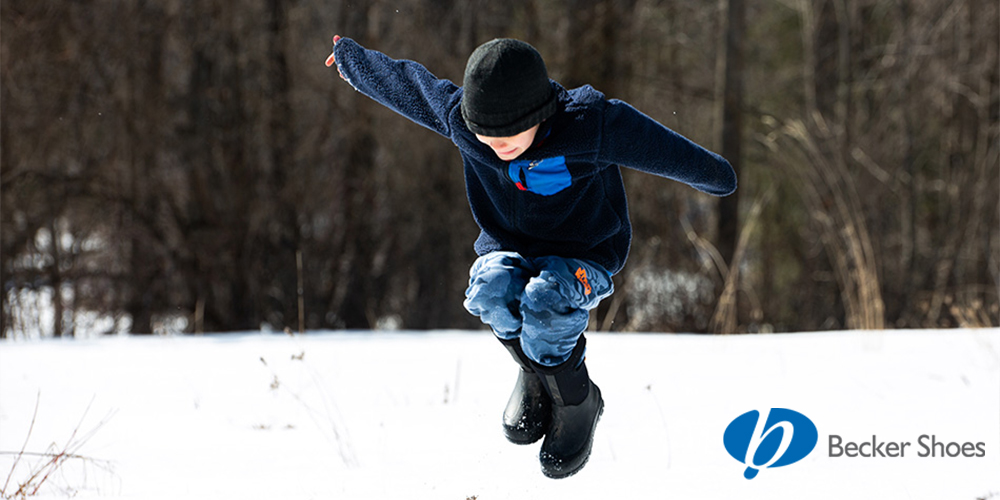

Winters in Canada are not just cold. They are also demanding. Snow-packed sidewalks, icy schoolyards, and slushy streets all require footwear that can keep up with a child’s daily routine.
Choosing the right pair isn’t just about style. As a matter of fact, it’s also about safety, warmth, and durability. Parents look for options that can handle everything from weekend snow play to everyday school wear without requiring multiple pairs.
In this article, let’s explore various types of top-rated kids’ winter boots that can be used in snow and ice every day.
What Makes a Winter Boot Top-Rated?
Before you start looking at the top boots for your kids for winter, you need to understand what sets an average boot apart from a top-rated one. In a country like Canada, performance is more important than trends.
Here’s what sets them apart:
Insulation
Insulation is the first priority. Temperatures can drop below freezing, which is why boots should feature materials like fleece lining or wool blends that retain heat without feeling bulky.
Waterproofing
It is another extremely important aspect. Snow eventually melts, and slush can seep into boots that are poorly designed or constructed. That’s why you need to look for sealed seams, water-resistant uppers, and gusseted tongues that prevent moisture from getting inside.
Traction
Grip, or traction, is an equally essential factor. Ice is unpredictable, especially for kids who are active and unstoppable. High-quality rubber soles with deep treads can significantly reduce slips and falls.
Ease of Wear
It is important for kids to have boots that are easy to wear. It is also a great aspect that matters a lot to parents. Features like velcro straps, pull-on handles, and elastic laces make it easier for kids to put on and remove their boots on their own.
Essential Features to Consider While Looking for Kids’ Boots for Winters
While choosing footwear for daily use for your kids, versatility becomes the most essential factor. The best options are those that perform well across different winter conditions:
Lightweight Build
A lightweight build will prevent fatigue for kids during long school days or outdoor play. Heavy boots may offer durability, but they can significantly slow down your kids’ movement, making it more uncomfortable.
Breathability
This is one factor that is often underrated and overlooked. Although keeping the feet warm is extremely important, overheating can cause sweating, which in turn can make the feet feel cold again. Boots with moisture-wicking linings can help your kids maintain a balanced internal temperature.
Adjustable Closures
Adjustable closures ensure a snug fit. Whether it’s a zipper, lace system, or hook-and-loop straps, a secure fit can ensure warmth that stays on your feet and snow stays out.
Snow Play Vs Everyday Wear
Not every winter boot is built for the same purpose. Some are specifically designed for deep snow, while others might be best for everyday urban use.
For snow-related activities, taller boots with extended shafts offer better protection. These boots prevent snow from entering the boots when kids are running, jumping, or playing in deeper areas.
On the other hand, a more streamlined footwear design can work well for daily purposes. These boots are easier to walk in, lighter & more adaptable for indoor-outdoor activities, such as moving between school hallways and playgrounds.
Typically, parents look for a middle ground, such as boots that are rugged enough for snow but comfortable enough for all-day use.
Materials that Matter
The materials used in winter boots directly affect performance and longevity. These include:
Synthetic Uppers
These are popular because they’re lightweight and often come with waterproof coatings. They are also easier to clean, which is a practical advantage during the messy winter months.
Rubber Shells
Rubber shells add durability and are great for wet conditions. Various high-quality boots combine bottoms with fabric uppers for the best of both worlds.
Thermal Linings
They improve insulation at a significant level. Removable liners are specifically useful, as they can be dried separately if they become damp.
Fit & Sizing Tips
Getting the right fit isn’t just about choosing the right features. As a matter of fact, boots that are too tight can restrict circulation, which makes the feet colder. On the other hand, overly loose boots can cause discomfort and reduce stability.
You should allow a little room for thick winter socks, but avoid going for shoes that are too large. You should also keep in mind that kids’ feet grow quickly. Adjustable designs can extend the usability of a pair across a full season.
Furthermore, a snug fit can also keep the feet warm and provide better support on slippery surfaces.
Furthermore, winters in Canada can be tough on footwear. Salt, ice, and repeated exposure to moisture can wear down materials quickly. High-quality boots are designed to withstand these conditions without cracking, leaking, or losing insulation.
To Summarize
Choosing appropriate footwear requires more consideration than just picking a renowned brand. It requires attention to insulation, waterproofing, traction, and comfort.
The best Kids Winter Boots are those that adapt to changing conditions, handling snow, ice, and everyday wear with equal ease. These shoes ensure the right kind of movement for your kids and allow them to enjoy winter activities with ease.