
Maximizing Flow with a 1/2 Horsepower Pond Pump Setup
Efficient water circulation is essential for ponds, waterfalls, and decorative water features. Proper flow enhances the visual appeal, supports healthy aquatic life, and improves the efficiency of filtration systems. A critical component in achieving consistent circulation is the pump. A 120V pond pump with sufficient capacity, such as a 1/2 horsepower pond pump, provides an ideal balance of power and energy efficiency for medium-sized ponds and water features. Understanding how to maximize flow with this setup ensures optimal performance and long-term reliability.
Understanding Flow Rate and Pump Power
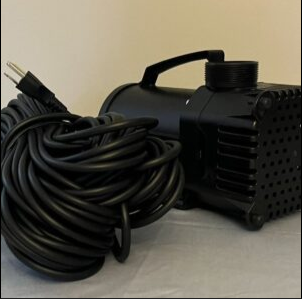
The flow rate, measured in gallons per hour (GPH), determines how much water the pump moves. A 120V pond pump with a 1/2-horsepower motor typically produces 5,000–5,500 GPH, sufficient for medium-sized ponds and moderate water features. This level of flow keeps water moving through filtration systems, prevents stagnation, and promotes oxygenation, supporting fish and plant health.
When sizing a pump, it’s important to consider the pond’s volume and any additional features such as waterfalls or long plumbing runs. The pump should ideally circulate the entire volume of the pond at least once every hour. Accounting for head height, the vertical distance water must travel from the pump to the highest outlet ensures that the pump can deliver adequate flow at the required pressure. Reviewing the pump’s performance curve allows for precise matching of flow rate to the pond’s specific layout.
Proper Installation for Maximum Efficiency
Installation plays a critical role in maximizing flow. The pump should be fully submerged on a stable, debris-free surface to prevent air intake and dry running, which can reduce performance and damage components. Most 120V pond pumps are designed for continuous operation but require proper positioning for cooling and longevity.
Plumbing also affects efficiency. Tubing should match the pump’s outlet diameter to minimize back pressure. Long runs, sharp bends, or undersized piping can reduce flow regardless of pump capacity. Keeping tubing as straight and short as possible reduces friction losses and preserves the pump’s full output.
Balancing Aesthetics and Performance
Maximizing flow isn’t just about volume; it also ensures your water feature functions as intended. Waterfalls, for example, require higher flow and pressure to form a full curtain or lift water to elevated heights. A 120V pond pump with a 1/2-horsepower motor provides sufficient power while remaining energy-efficient. Consider both the width and height of waterfalls when selecting a pump to maintain consistent visual effects.
For tranquil fountains, adjustable flow controls or nozzle selection allow fine-tuning of water movement. This flexibility ensures a balanced flow without oversizing the pump, preserving energy efficiency and pump longevity.
Maintenance for Consistent Flow
Routine maintenance is essential to maintain optimal performance. Leaves, algae, and sediment can clog the intake and impeller, reducing flow and increasing motor strain. Regular cleaning of the pump and its filters ensures consistent water flow, protects the motor from overheating, and extends the pump’s life. A clean pump also improves overall water quality, keeping ponds and fountains safe for fish and plants.
Conclusion
Maximizing flow in your pond involves selecting the right pump, ensuring precise installation, and performing regular maintenance to maintain peak performance. A properly sized 120V pond pump delivers consistent, efficient water circulation, supporting both the aesthetic appeal and the ecological balance of your pond or water feature. Attention to factors such as pipe diameter, head height, and adjustable flow settings for waterfalls or fountains ensures optimal water movement without wasting energy. By carefully choosing 1/2-horsepower pond pump compatible components and adhering to best practices, you can achieve dependable performance, enhanced water quality, and striking visual impact, creating a thriving, healthy aquatic environment.