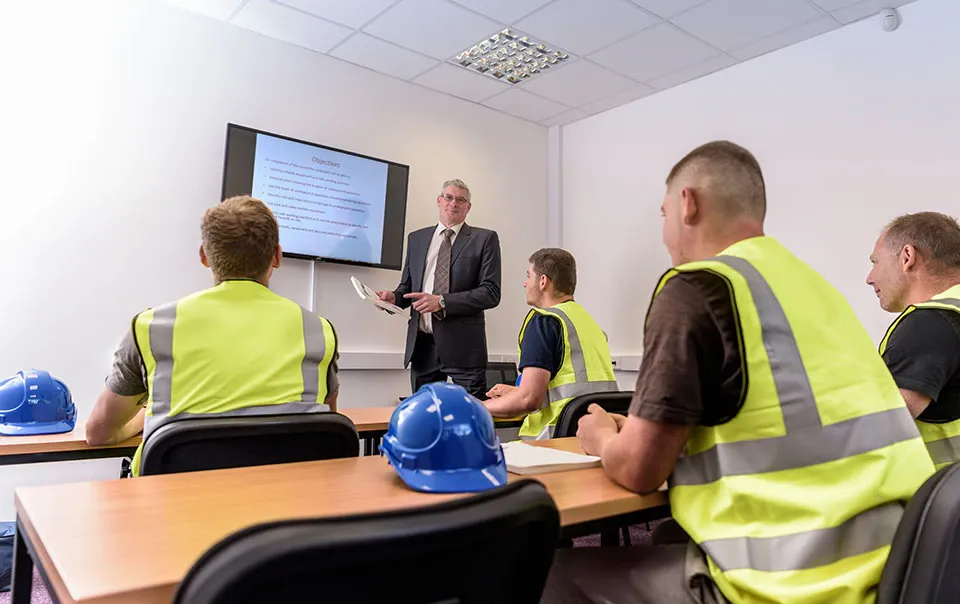

Asbestos is a hidden danger in many buildings and workplaces. Tiny fibers can float in the air and be breathed in without anyone noticing, causing serious health problems over time. Asbestos awareness training teaches workers, managers, and property owners how to spot and handle asbestos safely, keeping everyone protected. Understanding the risks, learning safe practices, and knowing what to do in case of exposure are key to preventing accidents and illnesses.
Where Asbestos Can Be Found
Even though asbestos is not used as much today, it is still in old buildings. It can hide in walls, ceilings, pipes, insulation, floors, and even in old glue or paint. Small repair or renovation work can release fibers into the air without warning. Awareness training helps workers know where asbestos might be before starting work, so they don’t get exposed.
For example, removing old floor tiles, repairing damaged insulation, or cutting into old ceiling panels can release asbestos. Workers trained in asbestos safety know which materials are safe to touch and which require professional removal. This knowledge prevents accidental exposure and keeps the workplace safe for everyone.
Why Small Fibers Can Be Dangerous
Asbestos fibers are so tiny that you can’t see them, and even a small amount can cause serious problems. Breathing in asbestos over months or years can lead to lung diseases such as asbestosis, lung cancer, and mesothelioma. Symptoms may take years to appear, which makes prevention even more important. Awareness training teaches workers how these fibers affect the body and why protective measures are necessary.
For instance, workers learn that coughing, shortness of breath, or chest pain may signal early exposure. Recognizing these signs and seeking help quickly can prevent severe illness later. Training makes workers more aware of how tiny fibers can have big health consequences.
How to Identify Asbestos Safely
Not all asbestos materials look dangerous. Ceiling panels, old insulation, pipes, floor tiles, roofing sheets, and even some adhesives can contain fibers. Workers trained to spot asbestos learn simple identification techniques that keep them safe.
Training covers when to test materials and when to call professionals. For example, workers are taught to avoid breaking or sanding old tiles and to check labels and building records for asbestos information. Correct identification stops accidents before they happen and ensures safe handling of all materials.
Handling Asbestos Without Risk
Training focuses on safe ways to handle asbestos. Workers learn to:
- Avoid cutting, sanding, or breaking asbestos materials
- Wear masks, gloves, and protective clothing
- Keep materials wet to reduce dust
- Seal and dispose of asbestos safely
These steps prevent fibers from spreading and protect everyone nearby. Practical exercises allow workers to practice safe handling of materials in a controlled environment, building confidence and making safety habits second nature.
For example, employees may practice using a damp cloth to clean dust or wrapping old pipes before removing them. This hands-on approach ensures safety procedures are understood and followed correctly in real-life situations.
Keeping Work Areas Safe
Even small disturbances can release fibers into the air. Awareness training teaches how to set up safe work zones with barriers and signs, and how to use proper ventilation to prevent fibers from spreading. Workers also learn cleaning techniques, including wet wiping and vacuuming with special HEPA filters.
These precautions make sure that both workers and building occupants remain protected. For example, a work area can be sealed with plastic sheets to stop dust from spreading to other rooms. Using clear zones and monitoring air quality keeps everyone safe during asbestos removal.
Watching for Health Problems
Health problems caused by asbestos may take years to show. Awareness training teaches workers to watch for early signs such as coughing, difficulty breathing, or chest pain, and to report them immediately. Regular check-ups and early reporting can save lives.
Training also helps workers understand the importance of long-term health monitoring. Even after leaving a job where asbestos was present, knowing what to watch for and having regular medical check-ups is crucial. This ensures early detection and better treatment outcomes.
Understanding Safety Rules
Workplaces must follow rules for handling asbestos. Training explains these rules in simple steps. Employees learn their responsibilities, such as wearing protective gear, reporting damaged materials, and following safe handling procedures.
Following these rules protects workers, keeps the workplace safe, and prevents fines or legal problems. Training also teaches managers how to create safety plans, document procedures, and maintain compliance with regulations, ensuring that both workers and the organization remain safe and responsible.
Using Tools to Stay Safe
Modern tools make asbestos management easier. Digital checklists, labeled areas, and monitoring devices help track risks and confirm safety measures. Online training modules allow workers to refresh their knowledge at any time.
Air monitoring devices measure fibers in the environment, while digital forms help document safe practices. Combining technology with hands-on training improves safety and makes it easier to follow rules consistently. Technology also helps managers keep track of who has been trained and where asbestos hazards are present.
Making Safety a Habit
Awareness training is not just about rules. It builds safety habits. Workers learn to notice risks, warn others, and act safely without being told. Regular refresher training strengthens these habits and ensures that asbestos hazards are managed properly every day.
For example, employees who practice safety habits will check the area for dust, wear protective equipment, and follow proper disposal procedures automatically. Building a safety culture reduces mistakes and keeps everyone protected.
Why Training Helps Everyone
Proper asbestos training prevents accidents and health problems. Workers feel safer and more confident. Employers avoid medical, legal, and repair costs. A trained team creates a safer, more organized workplace and protects everyone from hidden dangers.
Investing in training also demonstrates that the company values its staff’s health, boosting morale and accountability. Employees trained in safe practices are more likely to follow procedures, report hazards, and maintain a safer work environment for years to come.
Wind Up:
Asbestos awareness training online provides flexible, effective learning for employees and managers. It teaches safe identification, handling, and protective measures. By investing in training, organizations reduce risks, protect health, and ensure safer workplaces. Training empowers staff to manage asbestos safely, preventing accidents and long-term health problems.
Keep your team and workplace safe. Enroll in asbestos awareness training online today and protect everyone from hidden dangers.