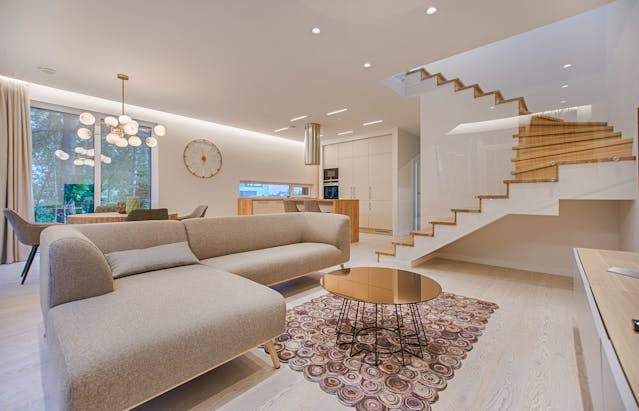

Chennai is a city where history, climate, and culture naturally shape the way homes and spaces are designed. From traditional South Indian houses with courtyards to modern urban apartments, architectural influences in Chennai continue to inspire evolving design styles. Today, contemporary interior design in the city reflects a thoughtful blend of heritage elements and modern functionality. Designers are increasingly drawing inspiration from local architecture to create interiors that are both stylish and responsive to lifestyle needs.
Understanding how Chennai’s architectural roots influence modern contemporary interior design helps designers develop spaces that feel authentic, comfortable, and visually balanced.
Climate-Responsive Design as a Core Influence
Chennai’s tropical climate plays a significant role in shaping interior design choices. Traditional homes were designed with high ceilings, shaded verandas, and large windows to encourage airflow and reduce heat. These architectural strategies continue to influence contemporary interior design today.
Modern designers often incorporate cross-ventilation, light fabrics, and natural materials to maintain indoor comfort. Open layouts and minimal partitions also help improve air circulation, making interiors feel cooler and more spacious. Climate-responsive planning is not just practical, it also contributes to sustainable design practices.
Courtyard Concepts in Modern Interiors
The traditional South Indian courtyard remains one of the most inspiring architectural elements in Chennai. Historically, courtyards served as social and functional hubs within homes. They allowed natural light and ventilation while creating a connection between indoor and outdoor spaces.
In modern contemporary interior design, designers reinterpret courtyard concepts through skylights, indoor gardens, or open-plan layouts. Even in compact urban apartments, visual openness and light-filled spaces recreate the essence of traditional courtyard living. This approach adds warmth and spatial depth to contemporary homes.
Natural Materials and Textural Warmth
Another strong architectural influence in Chennai is the use of natural materials such as wood, stone, terracotta, and lime plaster. These materials not only provide durability but also contribute to a distinct visual character.
In contemporary interior design, designers are reintroducing these elements through wooden furniture, textured wall finishes, and handcrafted décor pieces. Natural materials help create a balanced contrast between modern aesthetics and traditional craftsmanship. They also align with the growing preference for sustainable and eco-conscious interiors.
Blending Heritage with Minimalism
One of the most interesting design trends in Chennai is the combination of heritage-inspired details with minimalist layouts. While traditional architecture features intricate carvings and ornamental elements, modern interiors often simplify these motifs for a cleaner look.
For example, carved wooden panels or brass décor accents may be paired with neutral color palettes and streamlined furniture. This fusion defines modern contemporary interior design retaining cultural identity while embracing simplicity and functionality.
Such interiors feel timeless rather than trend-driven, making them suitable for evolving urban lifestyles.
Space Planning Inspired by Traditional Homes
Traditional Chennai homes were thoughtfully planned to accommodate extended families and community interactions. Zoning, circulation paths, and multifunctional spaces were carefully considered. These principles continue to influence interior layout strategies today.
Designers apply similar space planning techniques in contemporary apartments by creating flexible zones for work, relaxation, and social gatherings. Open kitchens, combined living-dining areas, and adaptable furniture arrangements reflect this legacy of functional design thinking.
Efficient planning ensures that modern homes remain practical without sacrificing aesthetic appeal.
Color Palettes Rooted in Cultural Context
Color choices in Chennai interiors are often influenced by cultural traditions and regional aesthetics. Earthy tones, warm neutrals, and vibrant accents inspired by temple architecture or local textiles are commonly used.
In contemporary interior design, designers reinterpret these palettes through muted terracotta walls, soft beige backdrops, or subtle gold highlights. Such colors create emotional warmth and connect modern interiors with cultural heritage.
Balanced palettes also enhance natural light, making spaces feel more welcoming and visually harmonious.
Urban Lifestyle and Modern Adaptations
As Chennai continues to grow as a metropolitan city, urban lifestyles are shaping new design requirements. Compact apartments, work-from-home setups, and smart storage solutions are becoming essential features.
Designers are responding by integrating technology, multifunctional furniture, and minimalist layouts into modern contemporary interior design. These adaptations ensure that interiors remain practical for contemporary living while still drawing inspiration from traditional architectural wisdom.
The result is a design language that feels both progressive and rooted in place.
Conclusion
Chennai’s architecture continues to play a meaningful role in shaping the evolution of contemporary interior design. By blending climate-responsive strategies, natural materials, cultural influences, and modern functionality, designers are creating interiors that reflect both heritage and innovation. For aspiring designers, understanding how local architecture informs modern interiors is an important step in developing thoughtful design solutions. Institutions like Cindrebay School of Design encourage students to explore these contextual design principles alongside practical training, helping them build the skills needed to design interiors that are relevant, sustainable, and culturally sensitive.