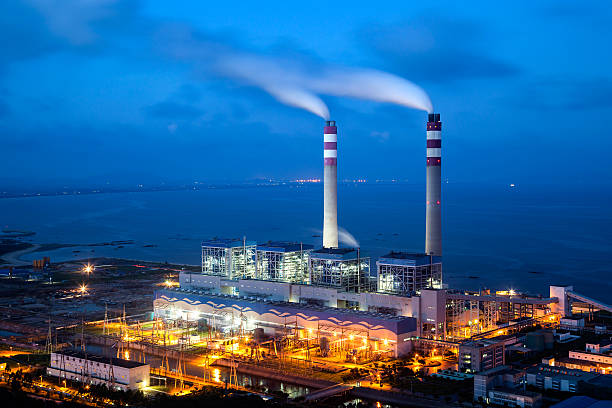

The global energy landscape is undergoing a significant transformation as countries seek reliable, cost-effective, and lower-emission power sources. Amid the transition toward renewables, natural gas continues to play a vital role as a bridge fuel. Investing in a natural gas power station today offers a strategic opportunity for energy companies, governments, and investors looking to balance sustainability with operational efficiency.
This article explores the key benefits, economic advantages, and long-term value of natural gas-based power generation in the modern energy mix.
Understanding Natural Gas Power Generation
Natural gas power plants generate electricity by burning natural gas in turbines, which drive generators to produce power. Compared to coal-fired plants, they emit significantly lower carbon dioxide and pollutants, making them a cleaner alternative for large-scale energy production.
These power stations are widely used across the globe due to their flexibility, scalability, and relatively lower capital investment compared to other conventional power plants.
Key Benefits of Investing in Natural Gas Power
1. Lower Carbon Emissions
One of the most significant advantages of natural gas is its lower environmental impact compared to coal and oil. Natural gas plants emit:
-
Up to 50–60% less CO₂ than coal-fired plants
-
Lower levels of sulfur dioxide (SO₂) and nitrogen oxides (NOx)
-
Minimal particulate matter
This makes natural gas an attractive option for countries aiming to meet climate targets while maintaining energy security.
2. High Efficiency and Reliability
Modern natural gas plants, especially combined cycle systems, offer high efficiency rates—often exceeding 60%. This means more electricity is generated from the same amount of fuel.
Key reliability benefits include:
-
Quick start-up and shutdown capabilities
-
Ability to handle peak demand fluctuations
-
Consistent power supply with minimal downtime
3. Cost-Effective Investment
Compared to other power generation technologies, natural gas plants typically require lower capital investment and shorter construction timelines.
Cost Comparison Table
| Parameter | Natural Gas Plant | Coal Plant | Renewable (Solar/Wind) |
|---|---|---|---|
| Initial Capital Cost | Moderate | High | Moderate to High |
| Construction Time | 1–3 Years | 4–6 Years | 1–2 Years |
| Operational Flexibility | High | Low | Variable |
| Maintenance Cost | Moderate | High | Low |
| Emissions Level | Low | High | Very Low |
This cost advantage makes natural gas an appealing choice for both developed and emerging economies.
4. Grid Stability and Flexibility
Renewable energy sources like solar and wind are intermittent by nature. Natural gas power plants provide essential backup power, ensuring grid stability.
Why this matters:
-
Supports renewable integration
-
Balances supply-demand fluctuations
-
Prevents blackouts and grid failures
A natural gas power station can quickly ramp up or down based on energy demand, making it an ideal companion to renewable energy systems.
5. Abundant and Accessible Resource
Natural gas reserves are widely available across many regions, ensuring a stable supply chain. Advancements in extraction technologies, such as hydraulic fracturing and horizontal drilling, have significantly increased global reserves.
This abundance contributes to:
-
Stable fuel prices
-
Reduced dependency on imports (for some countries)
-
Long-term energy security
6. Faster Project Deployment
Time is a critical factor in energy infrastructure development. Natural gas plants can be designed, approved, and constructed much faster than traditional coal or nuclear plants.
Benefits of faster deployment:
-
Quicker return on investment (ROI)
-
Faster response to growing energy demand
-
Reduced project risk
7. Compatibility with Future Technologies
Natural gas infrastructure is adaptable and future-ready. Many plants are being designed to integrate with emerging technologies such as:
-
Carbon Capture and Storage (CCS)
-
Hydrogen blending
-
Advanced digital monitoring systems
According to industry insights shared by VZFOX Canada Ltd, integrating innovative technologies into gas-based power systems can significantly enhance efficiency and reduce environmental impact over time.

Economic and Strategic Advantages
Investing in natural gas power is not just about energy production—it also delivers broader economic benefits:
Job Creation and Economic Growth
-
Generates employment during construction and operation
-
Boosts local economies
-
Supports industrial development
Energy Independence
Countries with domestic natural gas resources can reduce reliance on imported fuels, strengthening their energy security and geopolitical position.
Competitive Energy Pricing
Natural gas plants help maintain stable electricity prices, benefiting both consumers and industries.
Challenges to Consider
While natural gas offers numerous advantages, investors should also consider potential challenges:
-
Price volatility in global gas markets
-
Environmental concerns related to methane emissions
-
Regulatory and policy uncertainties
However, with proper planning and expert guidance, these challenges can be effectively managed.
Organizations like visit website VZFOX Canada Ltd emphasize the importance of strategic planning, regulatory compliance, and risk management to ensure successful energy investments.
The Future of Natural Gas in Energy Transition
As the world moves toward cleaner energy systems, natural gas is expected to remain a key component of the energy mix for decades. It serves as a reliable transition fuel, enabling countries to reduce emissions while scaling up renewable energy capacity.
Key future trends include:
-
Increased adoption of hybrid energy systems
-
Greater focus on decarbonization technologies
-
Expansion of LNG infrastructure
-
Integration with smart grid systems
Conclusion
Investing in a natural gas power station today offers a balanced approach to energy generation—combining reliability, efficiency, and lower environmental impact. As global energy demands continue to rise, natural gas provides a practical solution that bridges the gap between traditional fuels and renewable energy.
With the right strategy, technology integration, and expert support, investors can unlock significant long-term value while contributing to a more sustainable energy future.
Looking to invest in energy infrastructure or optimize your power generation strategy? Partner with experienced industry professionals to ensure success. Make informed decisions, reduce risks, and maximize returns by leveraging expert insights in today’s evolving energy market.
Frequently Asked Questions (FAQs)
1. Why is natural gas considered a transition fuel?
Natural gas produces fewer emissions than coal and oil, making it a cleaner option while renewable energy systems continue to develop.
2. Is investing in natural gas power still viable in the future?
Yes, natural gas remains a key part of the global energy mix due to its reliability, efficiency, and ability to support renewable energy integration.
3. How efficient are natural gas power plants?
Modern combined cycle plants can achieve efficiency levels of over 60%, making them one of the most efficient fossil fuel-based power generation options.
4. What are the main risks of investing in natural gas projects?
Key risks include market price fluctuations, regulatory changes, and environmental concerns, which can be managed with proper planning.
5. Can natural gas plants support renewable energy systems?
Yes, they provide backup power and grid stability, helping balance the intermittent nature of renewable energy sources like solar and wind.