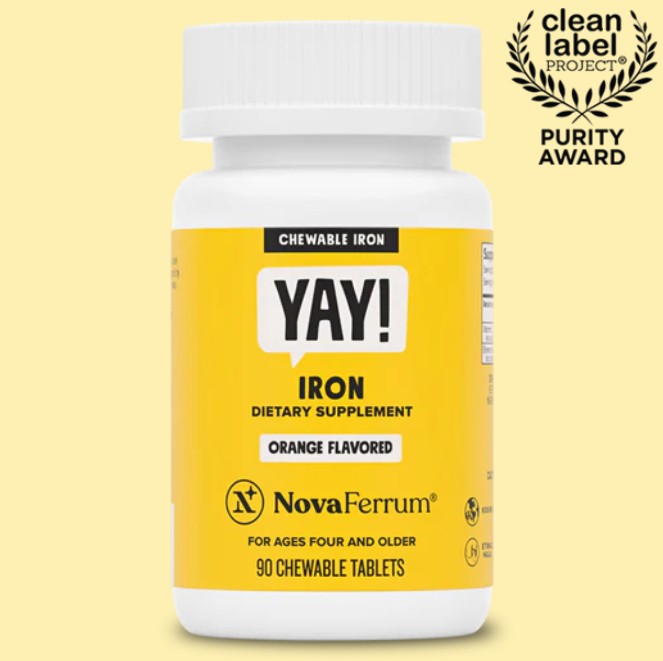

You know your child better than anyone. So when they start looking extra tired, less playful, or not quite themselves, you notice. Maybe they’re sleeping enough, but still dragging through the day. Maybe their teacher mentions they seem distracted. It’s easy to brush it off as a growth phase. Sometimes it is. But sometimes, low iron is part of the story.
Iron supports your child’s energy, focus, and overall growth. When levels dip, small changes start showing up in daily life. The good news is that once you spot the signs early, supporting healthy levels becomes simple and manageable.
Let’s walk through what to look for and how to handle it without turning your home into a battleground.
Why Iron Matters for Growing Kids
Iron helps the body make hemoglobin. That’s the part of red blood cells that carries oxygen. In simple terms, iron helps move oxygen around the body so muscles, organs, and the brain can work properly.
When kids don’t get enough iron, their bodies don’t move oxygen as efficiently. That’s when energy drops. Focus slips. Mood changes. Growth can even slow down if the deficiency continues.
Children need a steady iron intake because they grow quickly. Toddlers, school-age kids, and teens all go through rapid development. During those stages, an iron supplement for kids may be recommended if diet alone doesn’t meet their needs.
Signs Your Child May Need an Iron Supplement for Kids
Some children show clear symptoms. Others show subtle ones. Here are the most common signs parents notice first.
Ongoing Tiredness
If your child feels exhausted after normal activity or seems low-energy most days, it’s worth paying attention. Kids are naturally active. Constant fatigue isn’t typical.
Pale Skin
Low iron can make the skin look lighter than usual. You may notice it around the face or inside the lower eyelids.
Trouble Concentrating
Iron supports brain development. When levels are low, focus and memory can suffer. Teachers sometimes spot this before parents do.
Decreased Appetite
Some children with low iron intake eat less. That can make the problem worse because they’re not getting enough nutrients through food.
Frequent Infections
Iron also plays a role in immune health. If your child seems to catch every cold going around, ask your doctor whether iron levels should be checked.
These signs don’t confirm a deficiency on their own. A simple blood test gives clear answers. If levels are low, your pediatrician may suggest starting an iron supplement for kids to restore balance.
Why Food Alone Doesn’t Always Fix It
You may already serve iron-rich foods like beans, spinach, eggs, red meat, or fortified cereals. That’s a great start. Still, some children don’t absorb enough iron from food alone.
Picky eating plays a big role. So does high milk intake, which can reduce iron absorption. Growth spurts also increase iron demand quickly.
In these cases, adding a chewable iron supplement for kids helps bridge the gap without changing your entire meal plan.
Liquid vs Chewable: What Works Better?
Liquid iron has been common for years. It does the job, but many parents struggle with it. The taste can be strong. It may stain teeth. Some kids simply refuse it.
That’s why many families now prefer a chewable iron supplement. It’s easier to give, easier to store, and feels less like medicine. When a supplement tastes pleasant and doesn’t upset the stomach, children are more likely to take it consistently.
Consistency is what improves iron levels over time.
What to Look for in a Chewable Iron Supplement for Kids
Take a close look at a few things before picking a product. Start with the dosage and make sure it matches your child’s age and what they need.
Some formulas have 18 mg per serving, which usually works for a lot of kids if the doctor says it’s okay.
Next, go for sugar-free options. A lot of gummies sneak in extra sugar, and that’s not great if your kid eats them every day.
Also, skip anything with artificial dyes, synthetic colors, or random additives. Clean labels matter, especially if your child will be taking these supplements for a while.
Finally, choose a formula that’s gentle on the stomach. Iron can sometimes cause discomfort, so a well-balanced chewable iron supplement makes daily use smoother.
How to Add an Iron Supplement for Kids Without the Drama
Starting something new can feel tricky. The key is to make it part of your routine.
Give it at the same time each day. Morning works well for many families because it becomes part of the breakfast habit.
Pair it with vitamin C. A small glass of orange juice or fruit helps iron absorption better.
Keep the tone positive. Present it as part of staying strong and healthy, not as a treatment for something “wrong.”
Most importantly, stay consistent. Iron levels don’t change overnight. Steady daily use makes the difference.
When you choose a chewable iron supplement for kids that tastes good, contains no sugar, and avoids artificial ingredients, the process becomes much easier. Parents often find that a well-formulated chewable option removes the resistance they faced with liquid iron.
How Long Before You See Results?
Improvement depends on how low the levels were to begin with. Some parents notice better energy within a few weeks. Lab values usually improve gradually with consistent use.
Your pediatrician may recheck iron levels after a few months. That follow-up ensures your child is responding well and receiving the right amount.
Never increase the dose on your own. More isn’t better when it comes to iron. Stick to medical guidance.
When to Talk to a Doctor
If your child shows several symptoms, ask for testing. Even if you’re unsure, it’s better to check early.
Doctors look at everything, like lab results, your child’s age, weight, and overall health, before making any recommendations. If your child needs an iron supplement, they’ll let you know exactly what kind, how much, and for how long.
Final Thoughts
Low iron can quietly affect how your child feels each day. Tiredness, low focus, and pale skin often seem small at first. Over time, it starts messing with their mood, learning, and how much they want to play.
The upside? Fixing it is pretty simple once you spot it. Eating well and giving your child a good chewable iron supplement usually does the trick; there’s no need to overhaul your whole day.
Pick a clean, sugar-free option with a dose that’s right for them and gentle on their stomach. It’s easy to work into your routine. And honestly, the moment your kid’s energy and focus bounce back, you’ll know you nailed it.