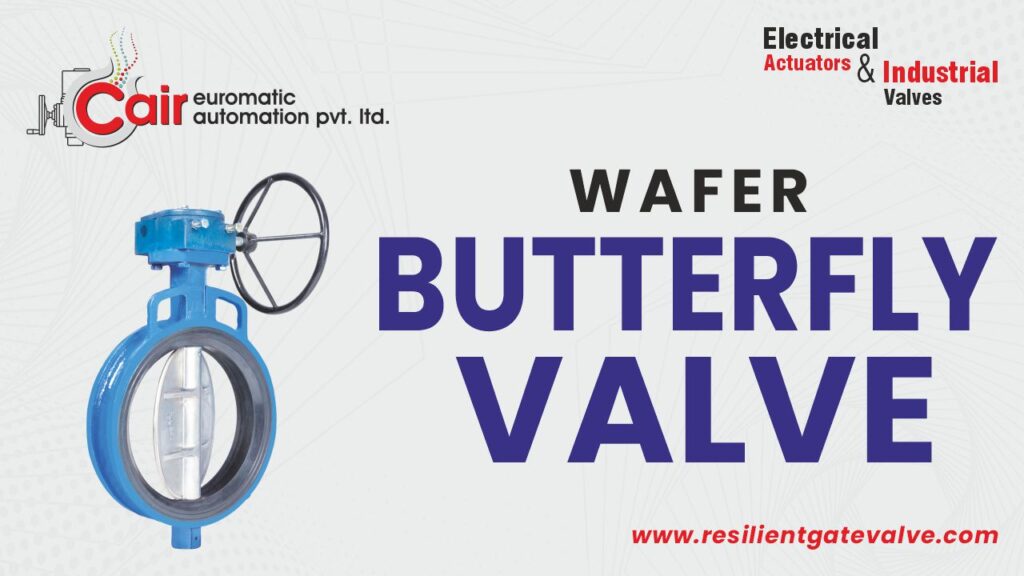

A rubber lined wafer type butterfly valve is one of the most widely used valves in industrial pipeline systems. It is specially designed to control the flow of liquids such as water, chemicals, and other fluids in pipelines. Because of its compact structure, reliable sealing, and easy installation, this valve is commonly used in water treatment plants, irrigation systems, chemical industries, and municipal water supply networks.
The rubber lining inside the valve body provides excellent sealing performance and protects the valve from corrosion and leakage. Due to these benefits, rubber lined wafer butterfly valves are considered an efficient and cost-effective solution for many industrial flow control applications.
What is a Rubber Lined Wafer Type Butterfly Valve?
A rubber lined wafer type butterfly valve is a quarter-turn valve installed between two pipeline flanges. It uses a rotating disc to regulate or stop fluid flow. The valve body contains a rubber lining that acts as a sealing seat and ensures leak-proof operation.
The wafer design allows the valve to be mounted easily between flanges using bolts, making installation simple and space-saving. Because of this design, it is widely used in pipelines where compact valves are required.
Design of Rubber Lined Wafer Type Butterfly Valve
The design of a rubber lined wafer butterfly valve is simple but highly effective. It consists of several key components that work together to control the flow of fluid.
1. Valve Body
The valve body is the main outer structure that holds all internal components. It provides strength and protects the valve from external pressure.
Common materials used for valve bodies include:
-
Cast Iron (CI)
-
Ductile Iron (DI)
-
Carbon Steel
-
Stainless Steel
These materials offer durability and corrosion resistance.
2. Rubber Lining / Seat
The rubber lining is one of the most important parts of the valve. It acts as a soft sealing surface between the disc and the valve body.
Common rubber materials used include:
-
EPDM
-
Nitrile (NBR)
-
Neoprene
The rubber lining prevents leakage and provides excellent sealing performance even at low pressure.
3. Disc
The disc is a circular plate inside the valve that controls the flow of fluid. When the disc rotates, it either allows fluid to pass through or blocks the pipeline.
The disc is usually made from materials such as:
-
Stainless Steel
-
Ductile Iron
-
Aluminum Bronze
These materials provide strength and corrosion resistance.
4. Stem (Shaft)
The stem connects the disc to the actuator or manual handle. It transfers rotational movement to the disc and allows the valve to open or close.
The stem is typically made from stainless steel to ensure durability.
5. Actuator
The actuator operates the valve and rotates the disc. Rubber lined wafer butterfly valves can be operated using different methods.
Manual Operation
The valve is operated by a hand lever or gear box.
Electric Actuator
An electric motor automatically controls the valve.
Pneumatic Actuator
Compressed air operates the valve in automated industrial systems.
Working Principle of Rubber Lined Wafer Butterfly Valve
The working principle of a rubber lined wafer butterfly valve is based on quarter-turn rotation.
When the valve handle or actuator rotates the stem by 90 degrees, the disc inside the valve also rotates.
The disc controls fluid flow in the following ways:
Open Position
The disc is parallel to the flow direction, allowing fluid to pass through freely.
Closed Position
The disc is perpendicular to the flow direction, blocking the flow completely.
When the valve closes, the disc presses against the rubber lining, creating a tight seal that prevents leakage.
Because of this simple mechanism, butterfly valves offer fast and efficient flow control.
Key Features of Rubber Lined Wafer Type Butterfly Valve
Rubber lined wafer butterfly valves offer several features that make them ideal for industrial pipeline systems.
Excellent Sealing Performance
The rubber lining provides a soft seat that ensures tight sealing and prevents leakage.
Compact Design
The wafer design allows the valve to fit easily between pipeline flanges, saving installation space.
Lightweight Construction
Compared to many other valve types, butterfly valves are lighter and easier to handle.
Quick Operation
The quarter-turn mechanism allows the valve to open or close quickly.
Corrosion Resistance
Rubber lining protects the valve body from corrosion and chemical damage.
Low Pressure Drop
The streamlined disc design allows smooth fluid flow with minimal pressure loss.
Easy Maintenance
The simple design makes inspection and maintenance easier.
Advantages of Rubber Lined Wafer Butterfly Valve
Rubber lined wafer butterfly valves provide many advantages in industrial flow control systems.
Cost-Effective Solution
These valves are more economical compared to many other industrial valves.
Easy Installation
The wafer design allows quick installation between flanges without complex alignment.
Reliable Leak-Proof Operation
The rubber seat ensures tight sealing and prevents fluid leakage.
Long Service Life
Durable materials and strong construction ensure long operational life.
Suitable for Multiple Fluids
The valve can handle water, air, chemicals, and other industrial fluids.
Energy Efficient
Low operating torque reduces energy consumption when operating the valve.
Applications of Rubber Lined Wafer Butterfly Valves
Because of their versatility and efficiency, rubber lined wafer butterfly valves are used in many industries.
Water Treatment Plants
Used to control water flow in filtration and distribution systems.
Irrigation Systems
Regulate water supply in agricultural pipelines and canals.
Chemical Processing Plants
Handle chemical fluids safely and efficiently.
HVAC Systems
Control air and water flow in heating and cooling systems.
Municipal Water Supply
Used in city water distribution networks.
Industrial Processing Plants
Control fluid flow in various industrial processes.
Conclusion
The rubber lined wafer type butterfly valve is an important component in modern pipeline systems. Its compact design, reliable sealing, and simple operation make it one of the most preferred valves for water and industrial flow control.
With features such as low torque operation, corrosion resistance, and easy installation, this valve offers excellent performance and long service life. Industries across the world rely on rubber lined wafer butterfly valves for efficient and cost-effective flow control.
By selecting high-quality valves and maintaining them properly, industries can ensure safe, reliable, and efficient operation of their pipeline systems.