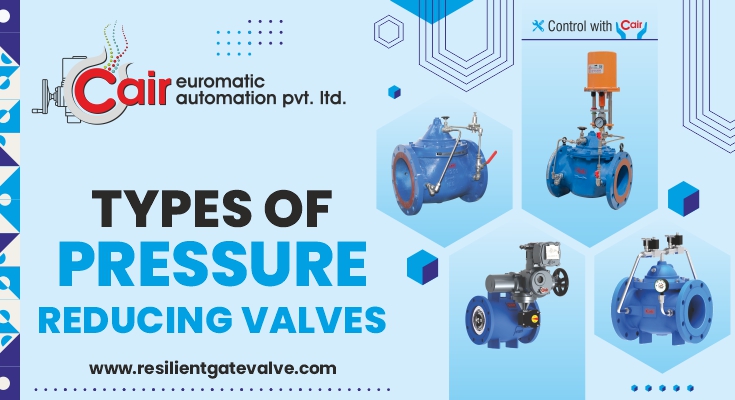

Pressure control is one of the most important aspects of any pipeline system. In many industrial and water distribution systems, the incoming pressure is often higher than required. Excessive pressure can damage pipelines, equipment, and valves. To solve this problem, engineers use Pressure Reducing Valves (PRVs).
A pressure reducing valve is designed to automatically reduce high inlet pressure to a lower and stable outlet pressure. These valves help maintain safe operating conditions in water supply networks, industrial plants, irrigation systems, and steam pipelines.
In this guide, we will explain what a pressure reducing valve is, how it works, the different types of pressure reducing valves, and where they are used in industrial applications.
What is a Pressure Reducing Valve?
A Pressure Reducing Valve (PRV) is an automatic control valve that reduces high pressure from a pipeline to a lower, controlled pressure level. It works without requiring manual adjustment once it is properly set.
The main purpose of a PRV is to maintain a constant outlet pressure regardless of changes in inlet pressure or flow demand. This protects pipelines, equipment, and connected systems from pressure damage.
Pressure reducing valves are commonly used in:
-
Municipal water supply systems
-
Industrial process pipelines
-
Steam systems
-
Irrigation networks
-
Fire protection systems
By maintaining stable pressure, PRVs improve system efficiency and safety.
Why Pressure Reducing Valves Are Important
In many pipeline systems, pressure levels can fluctuate due to pump operation, elevation changes, or sudden flow demand. Without proper pressure control, this can cause serious problems.
Problems caused by high pressure
-
Pipeline damage
-
Valve failure
-
Water leakage
-
Increased maintenance cost
-
Safety risks in industrial systems
A pressure reducing valve prevents these problems by controlling pressure automatically.
How a Pressure Reducing Valve Works
The working principle of a pressure reducing valve is based on automatic pressure balancing.
Inside the valve, a spring and diaphragm mechanism controls the opening of the valve. When the downstream pressure increases above the set level, the valve partially closes to reduce the flow and maintain stable pressure.
When pressure drops below the set level, the valve opens slightly to allow more flow.
This automatic adjustment ensures that the outlet pressure remains stable even when the inlet pressure changes.
Main Types of Pressure Reducing Valve
Pressure reducing valves are available in different designs depending on their applications and pressure requirements. Below are the most common types used in industrial systems.
1. Direct Acting Pressure Reducing Valve
The direct acting pressure reducing valve is one of the simplest types of PRVs. It uses a spring-loaded diaphragm to control the pressure.
How it works
The spring inside the valve is adjusted to a specific pressure level. When the outlet pressure rises above this level, the diaphragm moves and partially closes the valve.
When pressure drops, the spring pushes the valve open to increase flow.
Advantages
-
Simple design
-
Easy to install
-
Low maintenance
-
Cost-effective
Applications
Direct acting PRVs are commonly used in:
-
Residential plumbing systems
-
Small water pipelines
-
Low flow industrial systems
However, they may not provide highly accurate pressure control in large pipelines.
2. Pilot Operated Pressure Reducing Valve
A pilot operated pressure reducing valve is designed for larger industrial systems that require more accurate pressure control.
This valve uses two components:
-
Main valve
-
Pilot valve
How it works
The pilot valve senses downstream pressure and controls the opening of the main valve. This allows precise regulation of pressure even when flow conditions change.
Advantages
-
High accuracy
-
Suitable for large pipelines
-
Stable pressure control
-
Better performance under varying flow conditions
Applications
Pilot operated PRVs are used in:
-
Municipal water distribution networks
-
Industrial water systems
-
Power plants
-
Large irrigation systems
3. Steam Pressure Reducing Valve
Steam systems require special pressure control because steam pressure can vary significantly in industrial boilers and heating systems.
A steam pressure reducing valve is designed specifically for controlling steam pressure.
Features
-
High temperature resistance
-
Accurate pressure control
-
Durable construction
Applications
Steam PRVs are commonly used in:
-
Power plants
-
Boiler systems
-
Food processing industries
-
Textile manufacturing plants
These valves help maintain safe steam pressure for efficient operations.
4. Water Pressure Reducing Valve
A water pressure reducing valve is widely used in water supply systems to maintain safe pressure levels.
In many cities, water pressure in supply pipelines can be very high. PRVs help reduce this pressure before water enters residential or commercial buildings.
Advantages
-
Prevents pipe damage
-
Reduces water leakage
-
Protects plumbing fixtures
Applications
Water PRVs are used in:
-
Municipal water supply systems
-
High-rise buildings
-
Irrigation systems
-
Water treatment plants
5. Automatic Pressure Reducing Valve
Modern pipeline systems often require automated pressure control. An automatic pressure reducing valve uses advanced control systems to regulate pressure without manual intervention.
These valves may include:
-
Electric actuators
-
Sensors
-
Control panels
Advantages
-
Remote operation
-
Precise pressure control
-
Suitable for smart water systems
Applications
Automatic PRVs are commonly used in:
-
Smart water distribution networks
-
Industrial automation systems
-
Large infrastructure projects
Materials Used in Pressure Reducing Valves
The performance of a pressure reducing valve depends greatly on the materials used in its construction.
Common body materials
-
Cast Iron (CI)
-
Ductile Iron (DI)
-
Carbon Steel
-
Stainless Steel
Internal components
-
Brass
-
Stainless Steel
-
Bronze
Sealing materials
-
EPDM
-
Nitrile
-
PTFE
These materials ensure durability and corrosion resistance in different environments.
Key Features of Pressure Reducing Valves
Pressure reducing valves offer several features that make them essential in pipeline systems.
Automatic Pressure Control
PRVs automatically adjust to maintain constant outlet pressure.
System Protection
They protect pipelines and equipment from high pressure damage.
Energy Efficiency
Proper pressure control improves system efficiency and reduces energy consumption.
Reduced Water Loss
In water supply systems, PRVs reduce leakage and water wastage.
Long Service Life
High-quality materials and robust construction ensure durability.
Applications of Pressure Reducing Valves
Pressure reducing valves are widely used across many industries.
Water Treatment Plants
PRVs regulate pressure in water distribution systems to prevent pipe damage.
Irrigation Systems
They help maintain stable pressure for efficient water distribution.
Industrial Processing Plants
PRVs protect equipment from excessive pressure in pipelines.
Steam Systems
Steam PRVs maintain safe pressure levels in boilers and heating systems.
Fire Protection Systems
PRVs ensure consistent pressure in fire sprinkler pipelines.
How to Choose the Right Pressure Reducing Valve
Selecting the correct PRV depends on several factors.
Consider the following
-
Pipeline size
-
Inlet pressure level
-
Required outlet pressure
-
Flow rate
-
Temperature conditions
-
Type of fluid
Choosing the right valve ensures optimal performance and long service life.
Maintenance of Pressure Reducing Valves
Regular maintenance helps ensure reliable valve performance.
Maintenance practices
-
Inspect valve seals regularly
-
Clean internal components
-
Check pressure settings
-
Replace worn parts when necessary
Proper maintenance reduces downtime and increases valve lifespan.
Conclusion
Pressure reducing valves play a critical role in maintaining safe and efficient pipeline systems. By reducing excessive pressure, these valves protect pipelines, equipment, and industrial systems from damage.
There are several types of pressure reducing valves available, including direct acting PRVs, pilot operated PRVs, steam PRVs, water PRVs, and automatic pressure reducing valves. Each type is designed for specific applications and operating conditions.
By selecting the right type of PRV and maintaining it properly, industries can ensure reliable pressure control, improved system efficiency, and long-term operational safety.
Pressure reducing valves will continue to be an essential component in modern water management and industrial flow control systems.
(FAQ)
What is a pressure reducing valve?
A pressure reducing valve is a device used to automatically lower high inlet pressure to a stable and safe outlet pressure.
Where are pressure reducing valves used?
PRVs are used in water supply systems, industrial pipelines, irrigation systems, steam systems, and fire protection networks.
What are the main types of pressure reducing valves?
The main types include direct acting PRVs, pilot operated PRVs, steam PRVs, water PRVs, and automatic pressure reducing valves.
Why is a pressure reducing valve important?
It protects pipelines, equipment, and valves from damage caused by excessive pressure.
How do pressure reducing valves work?
They use a spring and diaphragm mechanism to automatically adjust the valve opening and maintain constant outlet pressure.