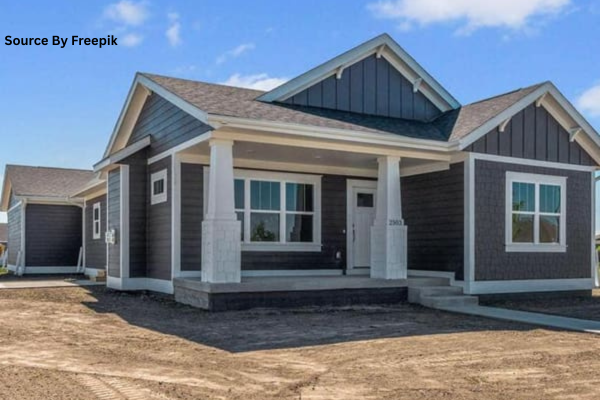

Planning your own home in West Virginia is a big step. You are not just buying a house. You are shaping a place where daily life will happen. That takes time, clear choices, and the right support.
You may feel both excited and unsure. That is normal. A custom build gives you control, but it also asks you to make many decisions. When you follow a clear plan, the process feels more manageable and less stressful.
Below are the key steps you should take when planning your custom home.
How to Plan a Custom Home Build in West Virginia
This guide walks you through the main stages. Each step helps you move forward with more confidence and fewer surprises.
-
Set Your Budget and Know Your Limits
The first step in planning a custom home is to decide on a budget. A budget guides every decision you make. Think about what you can spend on land, design, construction, and extras. Include a buffer for unexpected costs.
Costs in West Virginia can vary by location, materials, labor, and site conditions. Research typical building costs in West Virginia and talk to lenders early. Planning a budget first can save stress later. Once you know how much you can spend, you can plan your home size and features.
-
Choose the Right Piece of Land
Your land affects your entire build. A good piece of property supports the home design you want. Consider these points:
- Proximity to towns, schools, and workplaces
- Land slope, soil quality, and drainage
- Utility access (water, power, sewer)
- Local building rules and permits
Take time to inspect the land or hire a professional to do a site survey. The right site will make building easier and reduce delays.
-
Design a Home That Fits Your Life
You can now start designing your home. Consider how you live each day, how many bedrooms you need, and whether you prefer open spaces or a home office.
A designer or architect can turn your ideas into clear plans that show room sizes and layout. Good plans also help builders give accurate prices.
Keep your budget in mind. Extra space and features raise costs, so focus on what matters most to you and your family.
-
Find the Right Builder for Your Project
Choosing the right builder is a key step. Look for experience, clear communication, and knowledge of local rules. A skilled West Virginia home builder understands local weather, soil, and building codes.
Talk to more than one builder before you decide. Ask about past projects, timelines, and how they manage changes. If you can, speak with past clients.
Notice how they answer your questions. You will work together for months, so honest and clear communication from the start makes the process easier.
-
Plan Materials and Interior Selections
After you choose a builder and approve the plans, you move into selections. This means choosing the materials and finishes for the interior and exterior of your home. These choices include flooring, cabinets, countertops, siding, roofing, and lighting.
Each decision affects both the look and the cost of your home. Your West Virginia home builder can guide you toward options that fit your budget and hold up well over time. Try to make these choices early. Late changes can delay construction and incur additional fees.
Keep a list of everything you select. This helps you stay organized and reduces confusion later. When you can see all your choices in one place, it is easier to make sure everything works together.
-
Understand the Construction Timeline
Building a home takes time. Once construction begins, your builder should provide a schedule outlining the main phases. These often include site work, foundation, framing, roofing, exterior work, and then interior systems and finishes.
You should expect some changes to the timeline. Rain, snow, or material delays can slow things down. Stay in touch with your builder and ask for updates. Regular communication helps you stay informed about what is happening and what comes next.
Try not to rush the process. Each stage must be completed correctly before the next begins. A steady pace helps protect your home’s quality.
-
Do a Careful Final Walk-Through
As construction wraps up, conduct a final walk-through with your builder and note any issues that need fixing. Most builders handle these items before the last payment.
Once inspections are complete, prepare to move in. Keep all warranties, manuals, and contact details in one place for future needs.
You can also review completed home projects for ideas you may want to use later, such as upgrades or outdoor improvements.
Summary
Planning a custom home in West Virginia works best when you take it one step at a time. When you set a clear budget, choose good land, design with purpose, and work with the right builder, the process feels more organized and less overwhelming.
You are creating a space that should serve you for many years. Careful planning now can save you stress, time, and money later. If you want support from a team that understands custom building in this region, Blue Mountain Homes is one option to explore as you begin your journey.