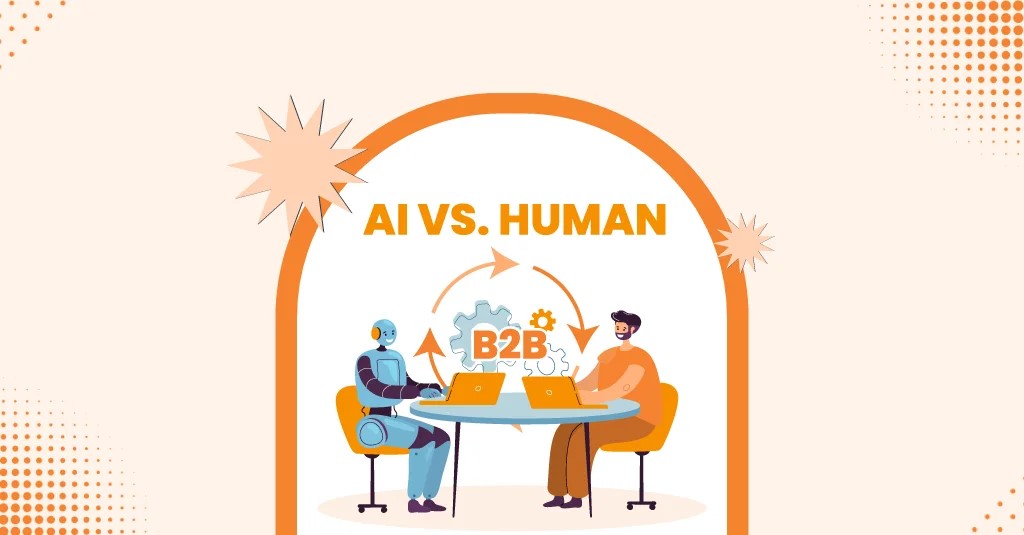

The modern B2B buyer has evolved dramatically over the past decade. With unlimited access to information, comparison tools, and peer reviews, buyers now complete a significant portion of their research before ever speaking to a sales representative. In this rapidly changing landscape, businesses face an important question: who understands the modern B2B buyer better—Artificial Intelligence or humans?
Artificial Intelligence has transformed how organizations analyze buyer behavior. AI-powered tools can process enormous volumes of data, track customer interactions across multiple channels, and identify patterns that humans might miss. From predictive analytics to personalized content recommendations, AI helps businesses understand what buyers are searching for, when they are most engaged, and what factors influence their purchasing decisions. This level of insight allows companies to deliver targeted marketing messages and anticipate buyer needs with impressive accuracy.
However, understanding the B2B buyer is not only about data—it is also about context, empathy, and relationships. Human professionals bring emotional intelligence and real-world experience to the table. Sales and marketing experts can interpret subtle cues, ask meaningful questions, and build trust through conversation. In complex B2B purchases, where decisions often involve multiple stakeholders, long sales cycles, and strategic considerations, human insight becomes essential. Buyers often value authenticity and reassurance that only human interaction can provide.
The most effective approach is not choosing between AI and humans, but combining their strengths. AI can handle data-heavy tasks such as analyzing customer behavior, predicting trends, and automating routine interactions. Meanwhile, humans can focus on strategic thinking, relationship building, and guiding buyers through complex decisions. When AI insights inform human judgment, businesses gain a more complete understanding of their buyers.
Ultimately, the modern B2B buyer expects both efficiency and personalization. AI delivers speed, scale, and data-driven insights, while humans provide empathy, creativity, and trust. Organizations that successfully integrate both will be best positioned to truly understand—and serve—the evolving needs of today’s B2B customers.
Another important factor in understanding the modern B2B buyer is the growing influence of digital self-service. Today’s buyers prefer researching solutions independently through websites, webinars, product demos, and industry reports. AI plays a powerful role here by tracking user behavior, analyzing browsing patterns, and identifying what type of content attracts specific buyers. These insights help businesses create smarter marketing strategies that align with buyer intent.
AI also excels at personalization at scale. Through machine learning algorithms, companies can tailor emails, product recommendations, and marketing messages based on a buyer’s previous interactions. For large organizations with thousands of prospects, this level of personalization would be nearly impossible for humans alone. AI ensures that buyers receive relevant information at the right time in their decision-making journey.
However, even with advanced analytics, AI cannot fully replace human judgment. B2B purchases often involve complex business challenges, negotiations, and long-term partnerships. Humans understand industry nuances, company culture, and emotional motivations that data alone may not reveal. A skilled salesperson can adapt conversations, address concerns in real time, and provide strategic guidance that builds confidence in the purchasing decision.
Trust is another area where humans remain essential. While AI can recommend solutions and automate communication, many buyers still prefer interacting with real people when making significant investments. Human conversations create credibility and reassurance, especially in high-value deals where risks and expectations are high.
Looking ahead, the role of AI in B2B marketing and sales will continue to expand. Technologies such as predictive analytics, conversational AI, and intelligent CRM systems will provide even deeper insights into buyer behavior. These tools will help businesses identify opportunities earlier and improve how they engage potential customers throughout the buying journey.
In conclusion, truly understanding the modern B2B buyer requires both technological intelligence and human insight. AI provides the data-driven foundation, while humans add meaning, empathy, and strategic thinking. When organizations combine these strengths effectively, they can create stronger relationships, deliver better customer experiences, and succeed in an increasingly competitive B2B marketplace.