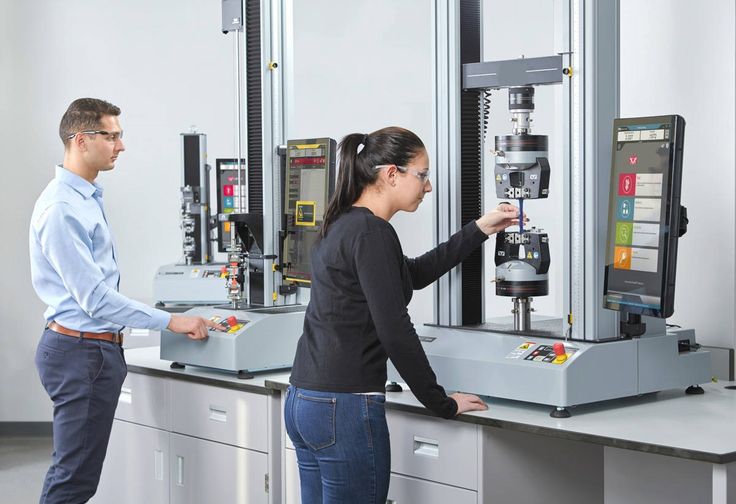

In the United States, precision drives performance. Whether you’re manufacturing medical devices, building aerospace components, running a testing laboratory, or operating an industrial plant, your measurements need to be accurate—every single time. Even a small deviation can throw off production, compromise safety, or trigger compliance issues. In highly regulated industries, there’s no room for guesswork.
That’s where NIST traceable calibration services come into play. NIST traceable calibration services provide documented proof that your instruments are calibrated against nationally recognized standards, ensuring consistency, reliability, and regulatory compliance. For American businesses that are price-conscious but serious about quality, these services offer a practical way to protect operations without breaking the bank.
Why Calibration Accuracy Matters in the U.S. Market
Calibration isn’t just a technical requirement—it’s a business safeguard.
Protecting Product Quality and Safety
Accurate measurements directly impact product performance. If a temperature sensor reads too low, a batch of products might not cure properly. If a torque wrench is off, critical fasteners could fail. Instrument accuracy certification confirms that your tools are performing within specified tolerances.
When quality slips, customers notice. And in the U.S. market, reputation travels fast.
Meeting Federal and Industry Regulations
From FDA requirements to ISO standards and industry-specific mandates, regulatory compliance depends on documented measurement accuracy. Compliance-based calibration services help organizations meet these expectations.
Auditors don’t just want to know you calibrate your equipment—they want proof. That’s where traceable calibration standards and proper documentation come in.
Avoiding Costly Errors and Downtime
Inaccurate instruments can lead to production rework, rejected shipments, and equipment damage. Regular calibration through an accredited calibration laboratory reduces these risks.
The cost of calibration is minimal compared to the price of product recalls or regulatory fines.
What Are NIST Traceable Calibration Services?
To fully understand the value, you need to know what “NIST traceable” actually means.
Understanding Traceable Calibration Standards
Traceable calibration standards create an unbroken chain of measurement comparisons linking your instrument back to national standards maintained by the National Institute of Standards and Technology. This traceability ensures consistency across industries nationwide.
It means your measurements align with recognized national benchmarks—not just internal references.
The Role of an Accredited Calibration Laboratory
An accredited calibration laboratory operates under strict quality management systems and validated procedures. Accreditation demonstrates technical competence, proper equipment control, and qualified personnel.
When NIST traceable calibration services are performed by an accredited calibration laboratory, the results carry more weight during audits and supplier evaluations.
Instrument Accuracy Certification Explained
Instrument accuracy certification verifies that a device meets its required performance specifications. After calibration, you receive formal documentation confirming measurement results, tolerances, and compliance status.
This certification becomes a key part of your quality records and audit trail.
Compliance, Documentation, and Measurement Integrity
Documentation is just as important as the calibration itself.
Measurement Uncertainty Reporting
Measurement uncertainty reporting quantifies the potential variation in measurement results. In other words, it defines the range within which the true value is expected to lie.
This level of transparency demonstrates technical rigor and strengthens compliance credibility. For regulated industries, uncertainty reporting is often mandatory.
Compliance-Based Calibration Services
Compliance-based calibration services align your calibration processes with regulatory and industry standards. This includes proper intervals, documented procedures, and traceability requirements.
Companies operating in healthcare, aerospace, or pharmaceutical manufacturing often rely on these structured services to maintain audit readiness.
Audit-Ready Documentation
Accurate records are essential. Calibration reports should include:
- Reference standard identification
- Calibration results and tolerances
- Measurement uncertainty reporting
- Environmental conditions
- Technician credentials
- Calibration due dates
These records protect your organization during inspections and third-party audits.
Industries That Rely on NIST Traceable Calibration
NIST traceable calibration services are critical across a wide range of American industries.
Healthcare and Medical Manufacturing
Medical manufacturers depend on accurate measurement equipment to ensure product safety and regulatory compliance. Instrument accuracy certification supports FDA quality system requirements.
Aerospace and Defense
In aerospace and defense, tolerances are tight and expectations are even tighter. Traceable calibration standards help maintain safety and reliability in mission-critical components.
Industrial Manufacturing and Engineering
Industrial facilities use measurement tools daily—pressure gauges, torque tools, thermometers, and dimensional instruments. Regular compliance-based calibration services keep production consistent.
Laboratories and Research Facilities
Research data is only as reliable as the instruments used to collect it. Accredited calibration laboratory services support scientific integrity and funding accountability.
How Much Do NIST Traceable Calibration Services Cost?
For many businesses, cost is a top concern.
Key Pricing Factors
Calibration pricing typically depends on:
- Type and complexity of instrument
- Required accuracy level
- Volume of equipment
- On-site versus laboratory service
- Turnaround time
- Documentation depth
Specialized instruments requiring advanced testing procedures may involve higher costs.
Getting Reliable Service Without Overspending
Choosing the lowest-cost option may lead to incomplete documentation or inadequate procedures. Instead, focus on value. Reliable NIST traceable calibration services delivered by an accredited calibration laboratory provide long-term savings by preventing rework and compliance issues.
Service agreements and scheduled calibration programs often reduce overall costs.
How to Choose the Right Calibration Partner
The right partner can simplify compliance and improve operational efficiency.
Accreditation and Technical Expertise
Verify accreditation status and ensure the provider offers comprehensive instrument accuracy certification and measurement uncertainty reporting.
Transparent Reporting and Turnaround
Look for clear pricing structures, detailed documentation, and dependable turnaround times.
Long-Term Service Partnerships
A reliable provider works as a partner, not just a vendor. Ongoing compliance-based calibration services help maintain consistency and reduce administrative burden.
Why Businesses Across America Choose vander stahl
Across the United States, companies trust vander stahl for dependable NIST traceable calibration services that prioritize accuracy, compliance, and cost efficiency. By working within accredited calibration laboratory frameworks, vander stahl delivers traceable calibration standards aligned with national benchmarks.
Through precise instrument accuracy certification, detailed measurement uncertainty reporting, and structured compliance-based calibration services, vander stahl supports businesses that cannot afford errors or audit setbacks.
For organizations seeking a trustworthy partner who understands regulatory pressure and budget realities, vander stahl offers practical solutions backed by technical expertise and transparent service.
Final Thoughts
In the U.S. business landscape, precision isn’t optional—it’s expected. NIST traceable calibration services provide the documented assurance that your instruments meet national standards and industry requirements.
By partnering with an accredited calibration laboratory, maintaining traceable calibration standards, implementing instrument accuracy certification, and ensuring detailed measurement uncertainty reporting, businesses can protect quality, compliance, and reputation.
For price-conscious yet quality-driven organizations, investing in compliance-based calibration services is a smart move. When accuracy matters—and it always does—professional calibration is the foundation of operational success.