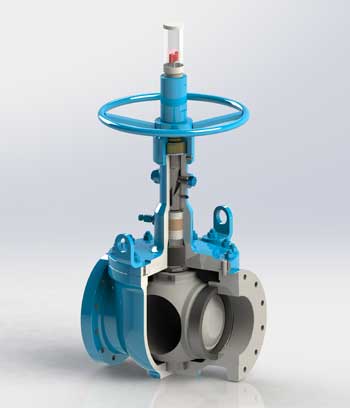

When it comes to controlling the flow of gases and liquids in very cold conditions, cryogenic trunnion ball valves are essential. These valves are specially made to handle extremely cold temperatures, like those in liquefied natural gas (LNG) plants, and other industries dealing with low-temperature situations.
In this blog, we will explain the features, benefits, and uses of cryogenic valves, with a focus on cryogenic ball valves.
What Are Cryogenic Valves?
A cryogenic valve is a valve designed to work in extremely low temperatures. These valves are very important in industries like LNG, industrial gas production, and petrochemical processing. They can work in temperatures as low as -321°F (-196°C), which is crucial for handling gases and liquids in their cryogenic forms.
Cryogenic Trunnion Ball Valves: Key Features
Cryogenic trunnion ball valves are a type of valve that performs well in cold conditions. Unlike regular ball valves, trunnion valves have a special support on both sides of the ball, called the “trunnion,” which helps to reduce damage to the valve during high-pressure use.
Here are some of the top features of cryogenic trunnion ball valves:
- Temperature Range
Cryogenic valves are built to handle extremely low temperatures, working as low as -321°F. This makes them perfect for LNG and natural gas operations.
- Pressure Ratings
These valves can handle a wide range of pressures, from ANSI 150 to ANSI 2500, meaning they can be used in both low- and high-pressure systems. This ensures safety and efficiency, no matter the pressure level.
- Material Choices
Cryogenic valves are made from strong materials like Stainless Steel and Duplex Steel, making them resistant to damage and corrosion. This ensures they last longer and work reliably, even in tough environments.
- Flanged End Connections
Cryogenic ball valves come with different types of end connections, like RF (raised face) and RTJ (ring-type joint), making it easy to fit them into existing systems.
Why Cryogenic Ball Valves Matter
Cryogenic ball valves are designed to make sure there is no leaking and that the valve works smoothly in cold temperatures. They also handle the shrinking and expanding of materials when they change between liquid and gas.
These valves are mainly used in:
- Natural gas liquefaction
- LNG terminals
- Petrochemical plants
- Industrial gas applications
- Gas storage and transport systems
They are important for ensuring safety, efficiency, and reliability when dealing with cryogenic processes.
Cryogenic Trunnion Ball Valves vs. Other Valves
While cryogenic trunnion ball valves are great for extremely low temperatures, other valves also play a role in cold-temperature applications. Here’s a quick comparison:
| Valve Type | Main Application | Pressure Range | Temperature Range | Material Options |
|---|---|---|---|---|
| Cryogenic Trunnion Ball Valve | LNG, natural gas, petrochemical processing | ANSI 150 – 2500 | -321°F (-196°C) | Stainless Steel, Duplex |
| Omni Expanding Plug Valve | Gas, water, and chemical handling | ANSI 150 – 600 | -60°F to 400°F | Stainless Steel, Alloy |
| Rising Stem Ball Valve | High-pressure and high-temperature | ANSI 150 – 1500 | -20°F to 500°F | Stainless Steel |
| Through Conduit Gate Valve | Large pipeline systems | ANSI 150 – 2500 | -20°F to 450°F | Stainless Steel, Cast Iron |
As you can see, while cryogenic valves are best for very low temperatures, other valve types like the Omni expanding plug valve and rising stem ball valves may work better for different pressure and temperature conditions.
How Do Cryogenic Ball Valves Work?
Cryogenic ball valves work by using a ball with a hole in the middle that controls the flow of liquid or gas. When the ball turns, the hole lines up with the pipeline, allowing the flow to pass through. When the valve is closed, the ball turns to block the flow completely. This design offers a tight seal and low pressure loss.
Cryogenic trunnion ball valves have a special design with the trunnion, which keeps the ball from moving too much inside the valve. This gives it a better seal and makes it more reliable in very cold conditions.
A Thoughtful Ending
Cryogenic trunnion ball valves are essential in industries that deal with very low temperatures. Their strong design, ability to handle high pressures, and reliable sealing make them perfect for use in LNG, natural gas, and petrochemical operations. Made from materials like stainless steel and duplex steel, these valves are built to last and perform well in harsh conditions.
Knowing the differences between cryogenic ball valves and other types of valves helps you pick the right valve for your system. If you are working with high-pressure, low-temperature operations, cryogenic valves should be your first choice for safety and reliability.