
Natural Ways to Reduce Fluid Retention in the Body
Fluid retention, also known as water retention or oedema, occurs when excess fluid builds up in your tissues. You may notice swelling in your legs, ankles, hands, abdomen, or even the face. This condition often causes heaviness, stiffness, and discomfort that interferes with daily life.
You can experience temporary fluid retention due to diet, hormonal shifts, prolonged sitting, hot weather, or mild medical concerns. While severe or persistent swelling requires medical care, many cases respond well to natural strategies and lifestyle adjustments.
Safe and practical ways you can reduce fluid retention naturally, improve circulation, and support overall wellbeing.
What Causes Fluid Retention?
Your body carefully regulates fluid balance through the kidneys, lymphatic system, hormones, and blood vessels. Fluid retention develops when this balance changes.
Common causes include
- High salt intake
- Hormonal fluctuations
- Lack of physical activity
- Poor circulation
- Dehydration
- Hot weather
- Certain medications
- Digestive imbalance
- Mild inflammation
You may also notice fluid accumulation in specific areas such as the abdomen or scrotum. Some individuals explore supportive measures like Hydrocele Natural Treatment without Surgery when fluid buildup occurs locally and symptoms remain mild.
Signs You May Have Fluid Retention
Fluid retention often presents with noticeable physical symptoms.
Typical signs
- Swelling in ankles, feet, or hands
- Tight skin or puffiness
- Indentations after pressing swollen areas
- Sudden weight fluctuation
- Joint stiffness
- Abdominal bloating
If swelling appears suddenly, becomes painful, or affects breathing, you should seek urgent medical evaluation.
1. Reduce Salt Intake to Prevent Fluid Build-up
Salt plays a major role in water retention because sodium causes your body to hold onto fluid.
Practical steps you can take
- Limit processed foods and packaged snacks
- Reduce added salt during cooking
- Check food labels for sodium content
- Choose fresh ingredients whenever possible
You can flavour meals with herbs, spices, lemon, and garlic instead of excess salt. This simple adjustment often leads to noticeable improvement in swelling.
2. Stay Hydrated Throughout the Day
It may seem counterintuitive, but dehydration encourages your body to retain water as a protective response.
Hydration tips
- Drink water regularly rather than waiting for thirst
- Include hydrating foods such as cucumber, watermelon, and oranges
- Reduce sugary drinks and excess caffeine
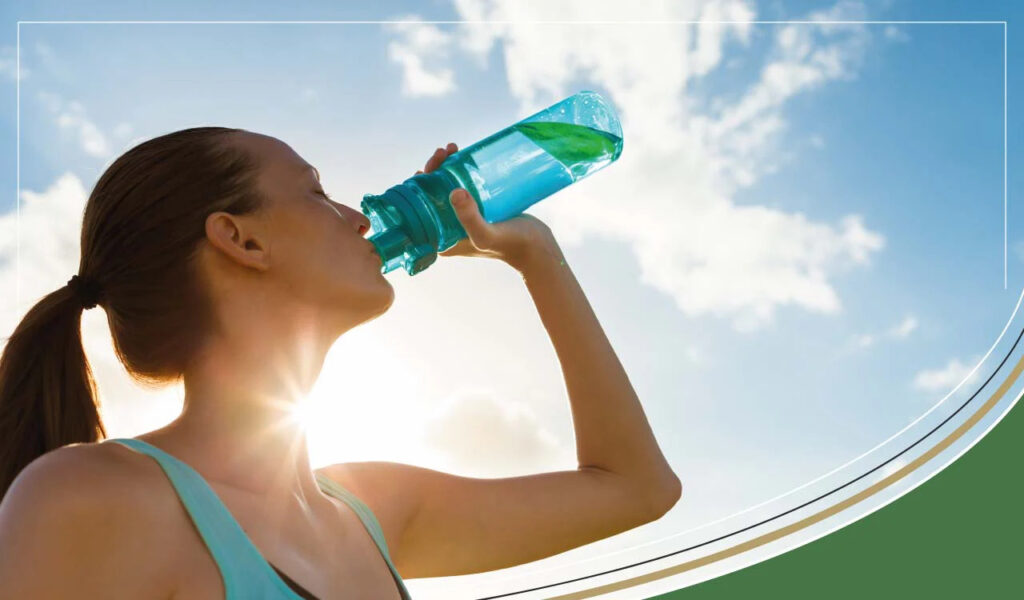
- Carry a reusable water bottle as a reminder
Consistent hydration supports kidney function and helps flush excess sodium from your system.
3. Increase Potassium-Rich Foods
Potassium helps balance sodium levels and supports fluid regulation. You can improve fluid balance naturally by adding potassium-rich foods to your meals.
Good potassium sources
- Bananas
- Spinach
- Sweet potatoes
- Avocados
- Beans and lentils
- Coconut water
A balanced diet with potassium supports muscle function, heart health, and healthy fluid distribution.
4. Move Your Body to Improve Circulation
Prolonged sitting or standing slows blood flow and lymphatic drainage, which can lead to swelling.
Helpful activities
- Walking
- Gentle stretching
- Yoga
- Cycling
- Swimming
You can also perform simple ankle rotations and calf raises if you sit for long periods. Movement encourages fluid return to circulation and reduces puffiness.
5. Elevate Swollen Areas
Elevation uses gravity to help fluid move away from swollen tissues.
How you can apply this method
- Elevate your legs on pillows while resting
- Avoid crossing your legs for extended periods
- Use supportive cushions during sleep if swelling affects your hands or feet
Regular elevation sessions can reduce discomfort and improve circulation.
6. Try Gentle Massage and Lymphatic Support
Light massage encourages lymphatic drainage and helps move trapped fluid.
Massage benefits
- Stimulates circulation
- Reduces swelling
- Relieves muscle tension
- Promotes relaxation
You can perform gentle strokes moving upward towards the heart. Dry brushing before bathing may also support lymphatic flow.
7. Choose Natural Diuretic Foods and Drinks
Certain foods support fluid elimination through urine production without harsh effects.
Natural diuretic options
- Parsley
- Dandelion tea
- Ginger tea
- Green tea
- Watermelon
- Asparagus
- Cucumber
Including these foods regularly may help reduce mild swelling and bloating.
8. Manage Hormonal Fluid Retention
Hormonal changes, especially during menstrual cycles or stress, can influence fluid balance. You can manage hormonal fluid retention with supportive lifestyle habits.
Helpful approaches
- Regular exercise
- Stress reduction practices
- Adequate sleep
- Balanced diet rich in magnesium and vitamin B6
Magnesium-rich foods such as nuts, seeds, and leafy greens may help reduce premenstrual swelling.
9. Maintain a Healthy Weight
Excess weight can strain circulation and contribute to fluid accumulation, particularly in the lower limbs.
Healthy weight strategies
- Balanced portion sizes
- Regular physical activity
- Whole-food diet
- Reduced sugar intake
Even modest weight management can improve circulation and reduce pressure on blood vessels.
10. Wear Comfortable and Supportive Clothing
Tight clothing can restrict circulation and worsen swelling.
Clothing tips
- Choose loose, breathable fabrics
- Avoid tight socks or waistbands
- Consider compression garments if recommended by a healthcare professional
Comfortable clothing supports circulation and prevents fluid from pooling in specific areas.
11. Support Kidney Health Naturally
Your kidneys play a key role in fluid balance. You can support kidney function with healthy daily habits.
Kidney-supportive practices
- Stay hydrated
- Limit excessive salt and sugar
- Reduce alcohol intake
- Include antioxidant-rich foods
- Avoid unnecessary overuse of pain medication
Healthy kidneys help maintain proper fluid regulation and reduce swelling risk.
12. Address Digestive Health to Reduce Bloating and Fluid Retention
Digestive imbalance often contributes to abdominal bloating that mimics fluid retention.
Natural digestive support
- Fibre-rich foods for gut health
- Probiotics such as yoghurt or fermented foods
- Herbal teas like peppermint or fennel
- Eating slowly and mindfully
Improved digestion can reduce abdominal pressure and water retention symptoms.
13. Natural Remedies for Localised Fluid Build-up
Fluid retention sometimes affects specific areas, leading to localised swelling. You may notice this in joints, abdomen, or reproductive tissues.
In cases of mild scrotal swelling, some individuals search for the Best Home Remedy for Hydrocele Swelling as part of conservative care. Approaches often include scrotal support, anti-inflammatory foods, and monitoring for symptom changes.
You should always seek medical advice if swelling becomes painful, persistent, or rapidly increases in size.
14. Consider Nutritional Supplements Carefully
Nutrient deficiencies can influence fluid balance and inflammation. You may benefit from supplements such as magnesium, vitamin B6, or herbal blends after professional guidance.
Many individuals explore options available through Organic Vitamins and Supplements Online UK to support hydration, circulation, and overall health. Choosing reputable sources ensures quality and safety.
Supplements should complement a healthy diet rather than replace it.
15. Improve Sleep Quality for Better Fluid Balance
Poor sleep disrupts hormone regulation and may worsen fluid retention.
Sleep improvement strategies
- Maintain a consistent sleep schedule
- Limit screen exposure before bed
- Create a calm sleep environment
- Avoid heavy meals late at night
- Practise relaxation techniques
Quality sleep supports hormonal balance and reduces inflammation.
16. Manage Stress to Prevent Water Retention
Stress triggers hormonal responses that may promote fluid retention. You can reduce this effect with daily stress management.
Effective stress relief methods
- Deep breathing exercises
- Meditation or mindfulness
- Physical activity
- Journalling
- Time outdoors
Mental wellbeing plays a significant role in physical fluid balance.
When Natural Methods May Not Be Enough
While natural strategies help many people, you should seek medical evaluation if you experience:
- Persistent swelling
- Painful oedema
- Shortness of breath
- Swelling affecting one limb only
- Sudden weight gain
- Skin discolouration or warmth
These symptoms may indicate underlying conditions requiring medical care.
Preventive Habits That Reduce Fluid Retention
Prevention often proves more effective than treatment. You can reduce fluid retention risk with consistent healthy habits.
Key preventive steps
- Balanced diet with reduced sodium
- Regular movement and exercise
- Adequate hydration
- Stress management
- Routine health check-ups
- Comfortable clothing choices
Developing these habits supports circulation, kidney health, and hormonal balance.
Final Thoughts
Fluid retention can feel uncomfortable, but many cases respond well to natural approaches and simple lifestyle adjustments. You can support your body by reducing salt intake, staying hydrated, improving circulation, and choosing nutrient-rich foods. Gentle massage, natural diuretic foods, and stress management further promote fluid balance.
At the same time, you should stay alert to persistent or unusual swelling that may signal underlying health concerns. Combining home care with professional guidance ensures safe and effective management.
By maintaining healthy daily habits and responding early to symptoms, you can reduce fluid retention, improve comfort, and support long-term wellbeing.