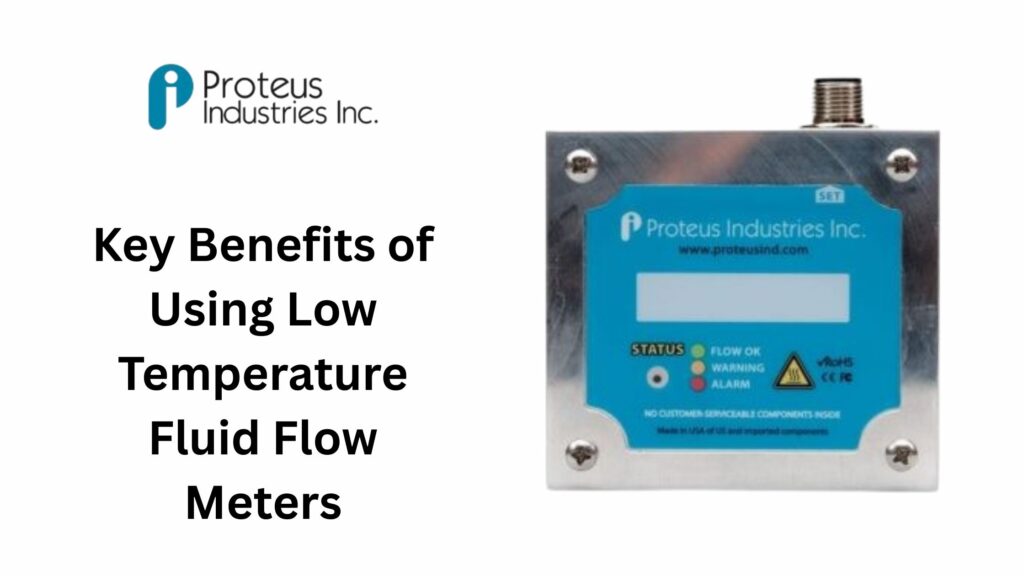

Flow measurement plays a critical role in industries that operate at low temperatures and in cryogenic conditions, such as LNG processing, chemical manufacturing, and pharmaceutical production. Measuring fluids accurately in extreme cold environments is challenging because low temperatures can affect sensor performance, material properties, and signal stability. This is why specialized instruments, such as a low temperature fluid flow meter, are essential for reliable industrial operations. In this article, you will learn about low temperature fluid flow meters, their benefits, applications, and why they are vital for modern industrial systems.
What Are Low Temperature Fluid Flow Meters?
Low temperature fluid flow meters are specialized instruments designed to measure the flow of liquids in sub-zero and cryogenic conditions. These meters are built with cold-resistant materials, advanced sensors, and insulation to ensure accurate performance in extreme environments.
Typically, they operate in temperatures ranging from -40°C to cryogenic levels below -196°C. Unlike standard flow meters, which may fail or lose accuracy in cold conditions, a low temperature fluid flow meter is engineered to withstand thermal stress and maintain measurement stability.
Accurate and Reliable Flow Measurement
Accuracy is crucial in low-temperature applications, where even small flow deviations can impact product quality and safety. Low temperature flow meters use advanced sensing technologies to provide precise and consistent readings despite thermal fluctuations.
Reliable measurement helps industries maintain strict process control, prevent errors, and ensure consistent production outcomes.
Improved Process Efficiency
Real-time flow data from low temperature flow meters allows industries to optimize their processes. Accurate flow monitoring helps reduce inefficiencies, control fluid distribution, and improve energy usage.
By minimizing process variability, companies can enhance productivity and improve operational efficiency in cold-processing environments.
Reduced Waste and Material Loss
Incorrect flow measurements can lead to overfeeding or underfeeding of fluids, resulting in waste and product loss. A low temperature fluid flow meter helps maintain precise dosing and fluid control, reducing leaks, spills, and unnecessary material consumption. This supports cost-effective operations and promotes sustainable industrial practices.
Enhanced Automation and System Integration
Modern low temperature flow meters are designed to integrate seamlessly with PLC, SCADA, and DCS systems. They support digital communication protocols and real-time data monitoring, making them ideal for Industry 4.0 environments. These meters also enable predictive maintenance and smart control strategies, improving overall system performance.
Increased Operational Safety
Safety is a major concern when handling cryogenic or hazardous fluids. Incorrect flow readings can lead to system failures, pressure buildup, or dangerous leaks. A low temperature flow meter provides accurate data to prevent such risks, ensuring safe handling of fluids and reducing the likelihood of industrial accidents.
Lower Maintenance and Downtime
Low temperature flow meters are built with durable materials and robust designs that withstand extreme cold conditions. This reduces sensor failure, calibration drift, and mechanical wear. As a result, industries experience fewer breakdowns, less maintenance, and improved equipment uptime.
Long-Term Cost Savings and ROI
Although low temperature flow meters may have a higher initial cost, they offer significant long-term financial benefits. Reduced downtime, lower maintenance expenses, improved energy efficiency, and minimized product waste contribute to a strong return on investment over the equipment lifecycle.
Versatility Across Industrial Applications
Low temperature flow meters are widely used across multiple industries, including:
- LNG and cryogenic gas processing
- Chemical and petrochemical industries
- Pharmaceutical and food processing
- Aerospace, laboratories, and research facilities
Their versatility makes them essential for any industry operating in cold environments.
Compliance with Industry Standards
Certified low temperature flow meters meet international safety and measurement standards, ensuring regulatory compliance. They support quality control, documentation, and audits, making them suitable for highly regulated industries such as pharmaceuticals and energy.
Future Benefits in Smart and Digital Industries
With the growth of IoT and smart manufacturing, low temperature flow meters are becoming more intelligent and connected. Advanced diagnostics, digital sensors, and remote monitoring capabilities are shaping the future of cryogenic flow measurement.
The demand for accurate, data-driven flow measurement solutions is expected to grow significantly in digital industries.
Conclusion
Low temperature fluid flow meters provide accurate measurement, improved efficiency, enhanced safety, and long-term cost savings in cold and cryogenic environments. Their ability to integrate with automation systems and comply with industry standards makes them indispensable for modern industrial operations. For engineers and decision-makers, investing in a low temperature fluid flow meter is a strategic step toward reliable, efficient, and future-ready industrial processes.