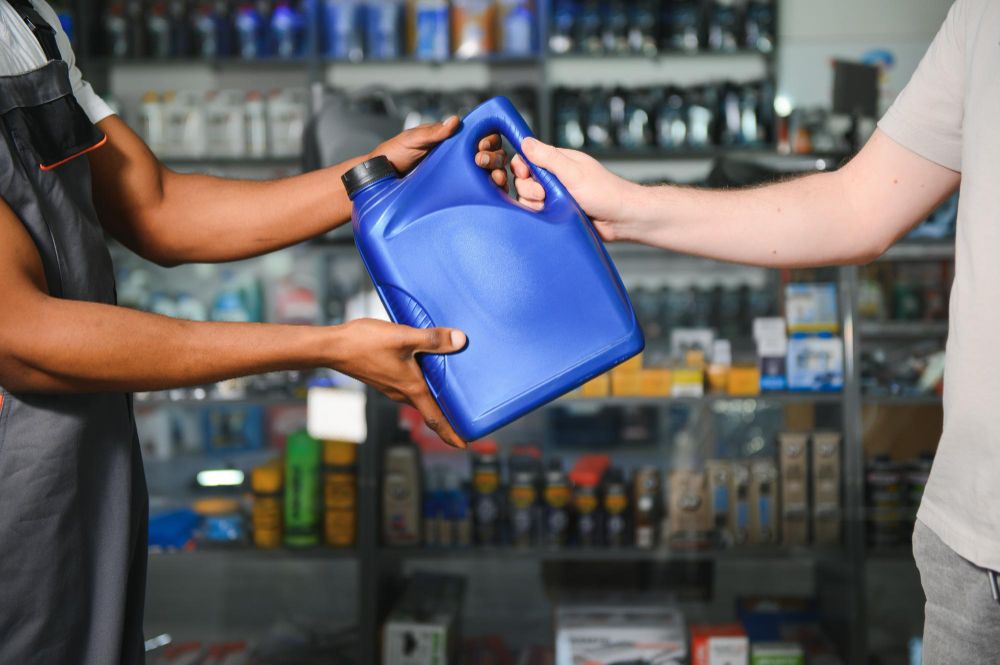

Choosing the right grease for industrial and automotive applications is critical to maintaining machinery performance and prolonging equipment life. Selecting the wrong lubricant can result in premature wear, increased energy consumption, and costly downtime. For businesses and automotive enthusiasts in Abu Dhabi, understanding the different types of grease, their applications, and key performance factors is essential. Among the many options available, best grease for metal gears plays a crucial role in ensuring smooth operation and durability of heavy machinery and vehicles.
Understanding Industrial and Automotive Grease
Grease is a semi-solid lubricant composed of a base oil, a thickener, and additives that enhance its performance. Unlike oils, grease stays in place, providing long-term lubrication even in high-load or high-temperature conditions. Industrial and automotive greases are specifically formulated to meet the demands of machinery and vehicle components, including bearings, gears, chassis parts, and hydraulic systems. The choice of grease depends on factors such as load, speed, temperature, moisture exposure, and environmental conditions.
Industrial grease is designed to withstand heavy loads, high temperatures, and harsh operating conditions. It ensures that machinery components like bearings and gears continue to function smoothly without frequent re-lubrication. On the other hand, automotive grease focuses on vehicle-specific requirements, such as protecting suspension systems, wheel bearings, and universal joints from friction and corrosion.
Key Components of Grease
Before selecting the right grease, it is important to understand its composition. Grease typically consists of three main components:
Base Oil
The base oil is the primary lubricating element in grease. It can be mineral oil, synthetic oil, or a combination of both. Mineral oils are widely used due to their cost-effectiveness and adequate performance for many applications. Synthetic oils, however, offer superior thermal stability, better oxidation resistance, and enhanced performance in extreme conditions. For applications in Abu Dhabi, where temperatures can be high, choosing a grease with synthetic base oil ensures consistent performance and longevity.
Thickener
The thickener gives grease its semi-solid consistency and helps it stay in place. Common thickeners include lithium, calcium, aluminum complex, and polyurea. Each type has distinct properties that influence the grease’s performance:
- Lithium grease: Highly versatile, suitable for automotive and industrial applications, resistant to water, and capable of handling high temperatures.
- Calcium grease: Excellent water resistance but limited high-temperature performance.
- Aluminum complex grease: Suitable for high-load and high-temperature industrial applications.
- Polyurea grease: Known for long service life, high temperature stability, and low maintenance requirements.
Additives
Additives enhance the grease’s properties, improving wear protection, rust prevention, and oxidation stability. Common additives include extreme pressure (EP) agents, anti-wear agents, corrosion inhibitors, and antioxidants. Choosing grease with the right additives ensures that machinery and automotive components operate efficiently and resist damage over time.
Factors to Consider When Choosing Grease
Selecting the correct grease involves more than just picking a type from the shelf. Several factors determine the suitability of a grease for a specific application.
Load and Pressure
The amount of load a machine or vehicle component experiences is a critical factor. Heavy machinery like construction equipment or industrial presses requires grease that can handle high pressures without breaking down. EP greases are formulated to withstand extreme loads and prevent metal-to-metal contact, reducing wear and extending the life of components.
Temperature Range
Grease performance is highly dependent on temperature. For industrial equipment in Abu Dhabi, where ambient temperatures can exceed 40°C, high-temperature grease is essential. Automotive components, especially those near engines or brakes, also require grease that can tolerate fluctuating temperatures without melting or losing viscosity. Selecting a grease with the appropriate temperature rating ensures consistent lubrication under varying conditions.
Water and Moisture Resistance
Exposure to water or humidity can affect grease performance. Industrial plants, marine environments, and vehicles exposed to rain or washing require grease that resists water washout. Calcium sulfonate and lithium complex greases provide excellent water resistance, protecting machinery and automotive components from corrosion and rust.
Speed of Operation
The speed at which components operate influences grease selection. High-speed bearings and gears require grease with lower viscosity to minimize friction and heat generation. Conversely, slow-moving equipment under heavy loads benefits from thicker, more robust greases that stay in place and provide maximum protection.
Compatibility
Mixing incompatible greases can cause chemical reactions, reducing performance and potentially damaging machinery. Always check the manufacturer’s recommendations and ensure compatibility with existing lubricants when adding or changing grease.
Industrial Applications in Abu Dhabi
Abu Dhabi hosts a wide range of industries, from manufacturing and construction to energy and logistics. Each sector has specific lubrication requirements:
- Manufacturing plants: Bearings, conveyors, and gearboxes require grease with high load-carrying capacity and long service life.
- Construction equipment: Excavators, bulldozers, and cranes operate in harsh conditions and require greases resistant to dust, moisture, and heavy loads.
- Energy sector: Pumps, turbines, and compressors need high-performance grease that can handle extreme temperatures and pressures.
- Logistics and warehousing: Forklifts, conveyor systems, and automated equipment benefit from greases that reduce maintenance intervals and prevent downtime.
For these applications, choosing the right best grease for metal gears ensures that critical machinery operates smoothly and efficiently, reducing the risk of unplanned breakdowns.
Automotive Grease Selection
In the automotive industry, grease is essential for protecting moving parts and ensuring smooth vehicle operation. Common automotive applications include wheel bearings, chassis joints, universal joints, and steering components.
Wheel Bearings
Wheel bearings experience continuous rotation under varying loads. Using high-quality grease with excellent wear protection prevents overheating, corrosion, and premature failure. Lithium-based or polyurea greases are often recommended for their long service life and thermal stability.
Chassis and Suspension
Chassis components, such as ball joints, tie rods, and suspension bushings, require grease to minimize friction and absorb shocks. Greases with EP additives ensure maximum protection under high-load conditions, improving vehicle safety and comfort.
Gears and Transmission
Gearboxes and differentials rely on grease to reduce metal-to-metal contact and wear. High-performance automotive greases enhance gear life, prevent pitting, and maintain smooth operation. Regular maintenance and using the correct grease type are crucial for long-term vehicle reliability.
Specialty Automotive Lubricants
For specific applications like high-performance or off-road vehicles, specialized automotive lubricants provide enhanced protection. These greases are formulated to handle extreme temperatures, heavy loads, and aggressive driving conditions, ensuring that vehicles perform optimally regardless of environment.
Tips for Grease Application
Proper application of grease is as important as selecting the right type. Follow these tips to maximize performance and longevity:
- Clean the component thoroughly before applying grease to remove old lubricant, dirt, and debris.
- Apply the correct amount—too little grease leads to inadequate protection, while too much can cause overheating.
- Use appropriate tools such as grease guns or automated lubrication systems for consistent application.
- Follow manufacturer guidelines for maintenance intervals and re-lubrication schedules.
- Store grease in a cool, dry place and keep containers sealed to prevent contamination.
Common Mistakes to Avoid
Even with high-quality grease, improper practices can compromise equipment performance. Common mistakes include:
- Using a grease type incompatible with existing lubricant.
- Applying grease in dirty or wet conditions without proper cleaning.
- Over-greasing or under-greasing components.
- Ignoring temperature or load ratings, leading to premature failure.
- Failing to follow manufacturer recommendations for re-lubrication intervals.
Avoiding these mistakes ensures that both industrial machinery and vehicles in Abu Dhabi operate efficiently and reliably.
Choosing the Right Supplier
Selecting a reliable supplier is crucial for accessing high-quality industrial and automotive greases. Look for suppliers that offer:
- Detailed product information, including base oil, thickener type, and additive packages.
- Technical support and guidance for specific applications.
- Consistent quality and supply to prevent downtime.
- Products that comply with international standards and certifications.
Working with a knowledgeable supplier helps ensure you get the right automotive lubricants for your vehicles and the best performing greases for industrial machinery.
Final Thought
Selecting the right industrial and automotive grease is a critical decision that impacts equipment performance, maintenance costs, and operational efficiency. Understanding the differences between greases, evaluating key factors such as load, temperature, and water resistance, and following proper application practices are essential for long-lasting results. In Abu Dhabi’s demanding industrial and automotive environment, investing in high-quality lubricants, including best grease for metal gears and automotive lubricants, ensures smooth operation, reduced downtime, and enhanced durability of machinery and vehicles. By making informed choices and staying consistent with maintenance, businesses and vehicle owners can enjoy optimal performance and peace of mind.