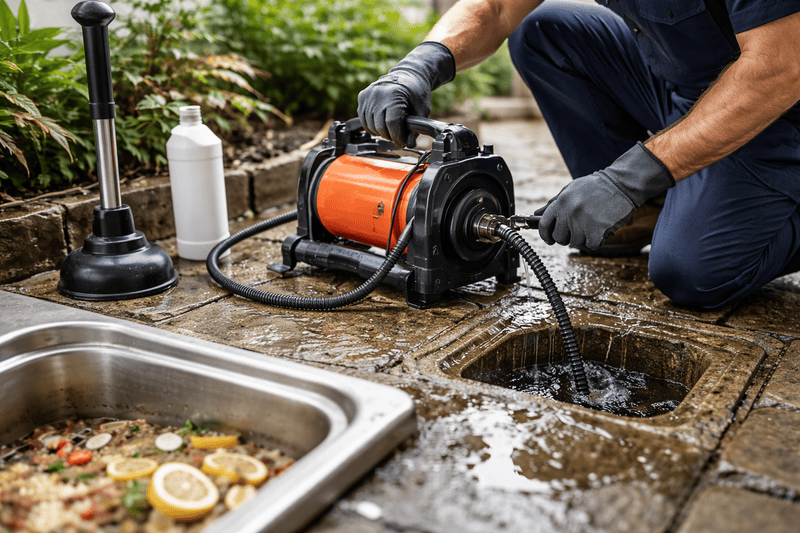

Blocked drains are one of the most common plumbing issues affecting homes and commercial properties. While a slow-draining sink or gurgling pipe may appear minor at first, these early signs often indicate a larger obstruction forming somewhere in the system. Understanding how blockages develop, how they are detected, and what steps help prevent them allows property owners to respond before damage or costly repairs become necessary.
Why Blocked Drains Occur in the First Place
Drainage systems are designed to carry wastewater away efficiently, but they rely on proper use and regular maintenance. Over time, everyday materials accumulate inside pipes. Grease from cooking, soap residue, food scraps, hair and foreign objects may gradually narrow the internal diameter of pipes until water flow becomes restricted.
In outdoor drainage systems, different factors come into play. Leaves, soil movement and tree root intrusion frequently contribute to drainage problems. Roots are particularly persistent because they seek moisture and may enter even small cracks in underground pipes. Once inside, they expand and trap debris, eventually forming a complete blockage.
These problems rarely appear overnight. In many cases, a drainage issue develops slowly, giving several warning signs before it becomes severe.
Early Signs That Should Not Be Ignored
One of the first indicators of blocked drains is slow drainage. Water may take longer to disappear from sinks, showers or basins, especially when multiple fixtures are used at the same time. Another common sign is unpleasant odours. Organic material trapped in pipes breaks down over time, producing smells that travel back through the drainage system.
Gurgling sounds also provide a clue. These noises occur when air is trapped and forced through water due to restricted flow. In more advanced cases, water may back up into fixtures or overflow from outdoor drains, signalling that a blockage has reached a critical stage.
Acting early when these symptoms appear may reduce the likelihood of extensive pipe damage or flooding.
How Modern Methods Detect Drainage Problems
Locating the source of a blockage used to involve guesswork and excavation. Today, plumbers often use specialised equipment such as CCTV drain cameras to inspect the interior of pipes. These cameras allow technicians to identify the precise location and nature of the obstruction, whether it is grease buildup, collapsed pipe sections or tree root intrusion.
High-pressure water jetting is another widely used technique. This process uses a concentrated stream of water to clear debris and restore normal flow without damaging pipes when carried out correctly. In many situations, combining inspection and cleaning allows the drainage system to be restored efficiently.
Property owners researching these methods often consult resources from experienced providers such as blocked drain specialists, where examples of inspection and clearing techniques may help illustrate how the process works in practice.
The Risks of Delaying Repairs
Ignoring blocked drains may lead to consequences that extend beyond inconvenience. Persistent blockages increase pressure inside pipes, which may contribute to leaks or cracks over time. In severe cases, wastewater may overflow, creating hygiene risks and potential structural damage.
Moisture around foundations or beneath flooring may also encourage mould growth, which may affect indoor air quality. Outdoors, overflowing stormwater drains may erode soil or damage landscaping.
Addressing drainage issues early often reduces both repair complexity and cost, particularly when the blockage is confined to a small section of pipe.
Everyday Habits That Help Prevent Blockages
Preventing blocked drains often comes down to small, consistent habits. In kitchens, disposing of cooking oil and grease in the bin rather than the sink reduces the risk of hardened residue forming inside pipes. Using sink strainers to catch food scraps and coffee grounds also helps keep drains clear.
In bathrooms, hair is one of the most common causes of clogs. Installing simple drain covers may significantly reduce the amount entering the plumbing system. Regular cleaning of these covers prevents buildup before it reaches the pipes.
Outdoor drains benefit from periodic clearing of leaves and debris, particularly after storms or during seasonal changes when foliage is more likely to accumulate.
The Role of Maintenance and Inspections
Routine maintenance may extend the lifespan of drainage systems. Periodic inspections, particularly in older properties, may reveal minor issues before they develop into major problems. Small cracks, misaligned pipe sections or early root intrusion are easier to address when detected early.
Some property owners schedule preventative drain cleaning every few years, especially in areas where tree roots are common. This proactive approach may reduce emergency callouts and unexpected plumbing failures.
Information about preventative services and inspection methods is often discussed in articles such as those provided by Prolific Plumbing blocked drains, which explain how routine care may support long-term system reliability.
Understanding Tree Root Intrusion
Tree roots are a frequent cause of blocked drains in suburban environments. Pipes that run beneath gardens or driveways may develop small cracks due to ground movement or age. Roots detect the moisture escaping from these cracks and grow toward the source.
Once inside the pipe, roots expand and trap passing debris, gradually forming a dense obstruction. Over time, this growth may damage the pipe itself, requiring repair or replacement.
Managing vegetation near drainage lines and monitoring older pipe systems may help reduce the likelihood of root-related blockages.
Commercial Properties and Drainage Challenges
Blocked drains are not limited to residential buildings. Restaurants, cafes and commercial kitchens often experience drainage issues due to grease and food waste entering the system. Without regular maintenance, grease traps and waste lines may accumulate residue that restricts flow.
Office buildings and retail centres may encounter different challenges, such as stormwater drains blocked by debris or sediment. Large properties with extensive drainage networks benefit from scheduled inspections to ensure all components remain clear and functional.
Businesses researching maintenance strategies sometimes review case studies or technical information from services focusing on blocked drains Sydney to better understand how preventative care is managed in high-usage environments.
Environmental Factors That Influence Drainage
Weather patterns and soil conditions may also affect drainage performance. Heavy rainfall may overwhelm stormwater systems, particularly if drains are partially obstructed. Soil movement caused by prolonged dry periods followed by heavy rain may place additional stress on underground pipes.
Urban development and increased surface paving may alter natural water flow, placing greater demand on drainage infrastructure. These factors make regular inspection and maintenance increasingly important in both residential and commercial settings.
When Professional Assistance Is Needed
Some minor clogs may be resolved with simple methods such as plunging or cleaning accessible traps. However, recurring blockages or persistent slow drainage often indicate a deeper issue within the pipe network.
Professional plumbers have equipment designed to diagnose and clear obstructions safely. Attempting to use harsh chemicals or improvised tools may damage pipes or worsen the blockage, particularly in older plumbing systems.
Seeking assistance when problems persist may prevent further damage and restore proper drainage more efficiently.
Long-Term Benefits of Proactive Drain Care
Maintaining clear drainage systems contributes to the overall health of a property. Efficient water flow reduces the likelihood of leaks, structural damage and sanitation concerns. Preventative measures, routine inspections and timely repairs help extend the lifespan of pipes and reduce unexpected disruptions.
Blocked drains may seem like a routine inconvenience, but they often signal underlying issues that require attention. By recognising early warning signs, adopting preventative habits and arranging professional inspections when needed, property owners may protect both their plumbing systems and their buildings.