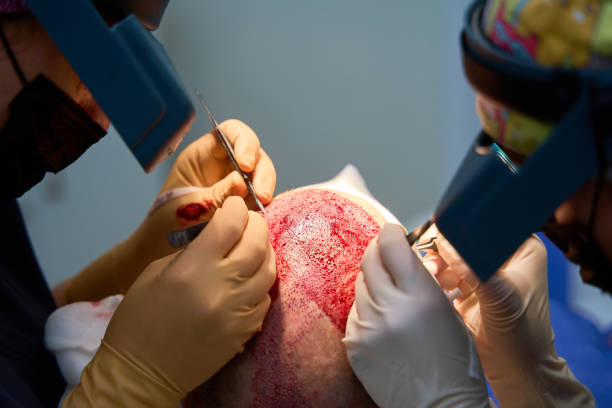

Preparing for a Hair Transplant in Sharjah is just as crucial as the procedure itself. Patients often ask: What should I do before surgery? How can I maximize graft survival? Proper preparation reduces risks, improves healing, and sets realistic expectations.
In clinical practice, patients who follow pre-procedure guidelines report smoother surgeries, faster recovery, and higher satisfaction. This guide provides a step-by-step checklist covering medical, lifestyle, and procedural preparations to ensure optimal results.
Medical Assessment and Consultation
What medical steps should I complete?
Before surgery, a thorough evaluation is essential:
-
Medical history review: Chronic illnesses, medications, allergies
-
Scalp assessment: Donor density, skin health, hair characteristics
-
Blood tests: Check for anemia, clotting disorders, or infections
-
Medication adjustments: Some drugs may need temporary suspension
Clinicians often recommend stabilization of underlying conditions, such as thyroid or hormonal imbalances, before transplantation.
“I appreciated the detailed medical review. It made me feel confident going into surgery.” — Adnan, 35
Lifestyle Preparations
How should I adjust habits pre-surgery?
Lifestyle modifications improve outcomes:
-
Avoid smoking for at least 1–2 weeks prior
-
Limit alcohol intake 3–5 days before surgery
-
Balanced diet rich in protein and vitamins
-
Adequate sleep for tissue repair and stress reduction
These steps support graft survival and reduce post-op complications.
Hair and Scalp Preparation
Should I wash or style my hair before surgery?
Proper scalp care matters:
-
Clean scalp: Wash hair thoroughly with mild shampoo on surgery day
-
Avoid styling products: No gels, sprays, or oils
-
Short hair trimming: May be required for easier graft placement, depending on technique
-
Sun protection: Avoid sunburned scalp before surgery
In clinical settings, a clean, well-prepared scalp minimizes infection risk and facilitates precise graft handling.
Medication and Supplements
Which substances should I avoid?
Some substances can interfere with healing or increase bleeding:
-
Blood thinners (aspirin, warfarin) unless medically necessary
-
NSAIDs like ibuprofen in the week before surgery
-
High doses of vitamin E or herbal supplements that affect clotting
Always consult your surgeon before stopping or adjusting medications.
Psychological and Logistical Preparation
How do I get ready mentally and practically?
Surgery can be stressful. Preparing mentally and logistically helps:
-
Understand recovery timeline: Scabbing, shock loss, regrowth
-
Arrange transportation: You may feel tired post-surgery
-
Plan time off work: Usually 3–5 days, light activity recommended
-
Expect minor discomfort: Local anesthesia is used, but scalp may feel tender
Clinically, patients who anticipate recovery stages report lower anxiety and higher satisfaction.
Nutrition and Hydration
Does diet affect the procedure?
Yes. Staying hydrated and maintaining proper nutrition improves healing:
-
Drink plenty of water in the 24 hours before surgery
-
Eat a balanced meal on surgery day, unless fasting is instructed
-
Avoid heavy, greasy, or excessively salty foods
Healthy circulation and tissue resilience support graft survival.
Items to Bring on Surgery Day
-
Comfortable clothing with front opening to avoid pulling over the head
-
Approved medications and supplements
-
Sunglasses or hat for post-op sun protection if advised
-
Entertainment or reading material for longer sessions
Being prepared helps patients remain relaxed and cooperative throughout the procedure.
What to Avoid Before Surgery
-
Alcohol and smoking
-
Excessive caffeine
-
Vigorous exercise that strains scalp circulation
-
Harsh hair treatments, dyes, or chemical processes
Following these guidelines reduces risks of bleeding, swelling, or graft damage.
Frequently Asked Questions
Can I take my usual medications?
Some medications need adjustment. Always inform your surgeon before stopping or changing doses.
Should I wash my hair the night before?
Yes, wash with mild shampoo and avoid any styling products.
How long before surgery should I stop smoking?
Ideally 1–2 weeks to improve healing and reduce swelling.
Can I eat breakfast on surgery day?
Yes, unless fasting is required for anesthesia or sedation, but keep meals light.
Do I need someone to accompany me?
It is recommended, especially for longer sessions or if sedation is used.
Why Choose Us
At Tajmeels Clinic, patients receive a personalized pre-procedure checklist and counseling. We review medical history, lifestyle habits, and expectations to ensure each Hair Transplant in Sharjah is safe, well-planned, and tailored to deliver optimal, natural results.
Final Thoughts
Preparation is a critical step in achieving successful Hair Transplant results. Following a structured pre-procedure checklist—including medical evaluation, lifestyle adjustments, scalp care, and mental readiness—supports graft survival, reduces complications, and ensures a smoother, more confident recovery.