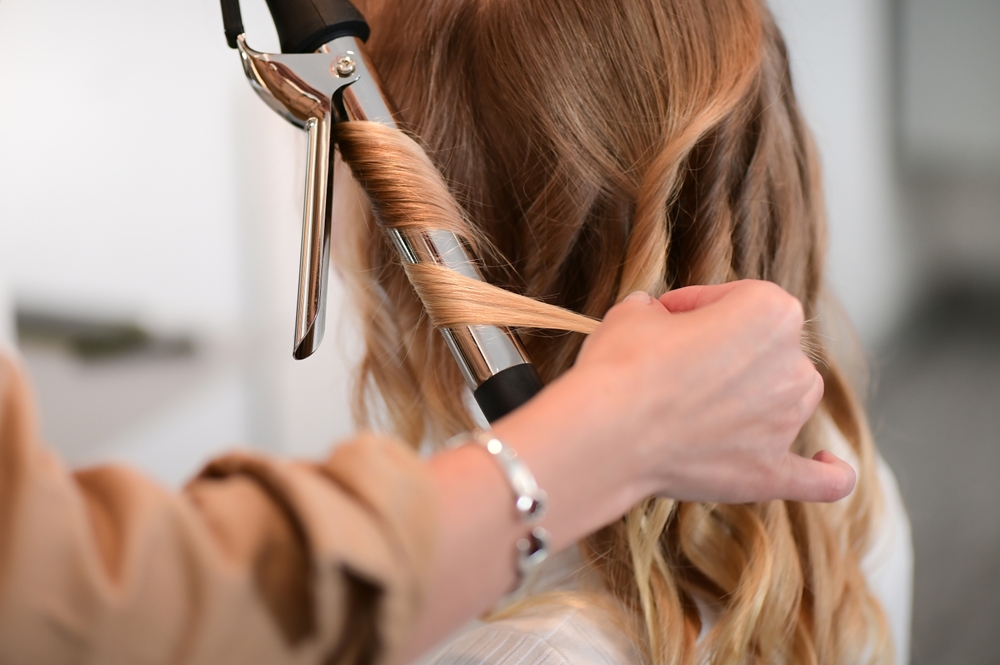

Hair styling works best when it protects your hair, not just shapes it. A skilled women hair stylist understands this balance. Every cut, tool choice, and product decision affects how your hair looks today and how it grows tomorrow. You want a style that feels fresh but never damages your hair. This guide explains how professionals achieve that balance with care, skill, and intent.
Why Technique Matters More Than Trends
Trends change fast. Healthy hair stays relevant.
Good styling starts with technique, not fashion. Clean sectioning, sharp tools, and controlled tension protect hair strands. Poor technique leads to breakage, frizz, and uneven growth. When technique comes first, your style lasts longer and feels easier to manage at home.
You may not see technique at work, but you feel the result. Hair moves better. Ends stay smooth. Styles hold without excess product.
Hair Health Always Starts Before the Cut
Professional stylists assess hair before touching scissors.
They look at density, texture, growth patterns, and scalp condition. Fine hair needs different tension than thick hair. Curly hair reacts differently to layering than straight hair. A thoughtful stylist adapts their approach instead of forcing a fixed method.
This step prevents common problems like flat crowns, bulky ends, or uneven shapes. It also keeps hair strong during and after styling.
The Role of Consultation in Better Results
Clear communication protects your hair and your time.
A proper consultation sets realistic goals. You discuss daily routines, heat habits, and past treatments. This helps the stylist avoid styles that need constant heat or heavy products. It also ensures the cut works with your lifestyle, not against it.
You leave with a look you can maintain, not one that fades after one wash.
Hair Styling Services That Respect Hair Structure
Precision Cutting Over Aggressive Shaping
Good cuts rely on clean lines and smart angles.
Stylists avoid over-thinning or razor abuse. These methods weaken ends and cause frizz. Instead, they use controlled point cutting or soft layering. This keeps shape without sacrificing strength.
Precision also means fewer touch-ups. Hair grows evenly when cut with care.
Heat Control Is Non-Negotiable
Heat styling demands discipline.
Professionals manage temperature based on hair type. Fine hair needs lower heat. Coarse hair needs slower passes, not higher heat. Tools move constantly to avoid hot spots.
Heat protectants are not optional. They seal moisture and reduce breakage. Used correctly, they extend the life of your style and your hair.
Product Choice Is Strategic, Not Excessive
More product does not mean better hold.
Stylists use minimal amounts with clear purpose. Lightweight creams smooth cuticles. Serums add shine without grease. Sprays lock shape without stiffness.
This approach keeps hair touchable and clean longer. It also prevents buildup that dulls shine over time.
Styling That Works With Hair Texture
Texture defines technique.
Straight hair shows mistakes quickly. Cuts must stay clean and balanced. Wavy hair needs space to move. Stylists cut to enhance natural bends. Curly hair requires dry cutting or curl-by-curl shaping to avoid shrinkage issues.
When texture guides technique, styling becomes easier at home. You spend less time fighting your hair.
Color and Styling Must Work Together
Color changes hair behavior.
Lightened hair needs gentler handling. Stylists reduce heat and avoid harsh brushing. They also adjust cuts to account for dryness or porosity.
Smart color placement supports styling. Highlights can add shape and depth when placed correctly. Poor placement creates flat or uneven looks, even with a good cut.
Styling for Long-Term Hair Care
Great style should support growth.
Professionals plan styles that reduce daily damage. This includes low-maintenance shapes, air-dry friendly cuts, and styles that need less heat. They also recommend trims at proper intervals, not rushed schedules.
This approach prevents split ends from traveling up the shaft. Hair stays fuller and healthier over time.
Tools Make a Difference You Can Feel
Quality tools protect hair.
Professional shears cut cleanly. Dull blades crush ends. Brushes with smooth bristles reduce friction. Proper combs prevent snagging on wet hair.
Stylists also clean and maintain tools. This protects both hair and scalp health.
Education Is Part of the Service
Good stylists teach without lecturing.
They explain why certain styles work better for you. They show simple drying techniques. They suggest small habit changes that improve hair condition.
This guidance helps you maintain results between visits. It also builds trust through clear expertise.
Hair Styling Services Designed for Real Life
Professional hair styling services focus on function, not fantasy.
Styles must survive weather, workdays, and real routines. That means balanced volume, controlled movement, and flexible hold. You should feel confident without constant adjustments.
This practical mindset separates good styling from short-lived looks.
Avoiding Damage During Special Occasion Styling
Event styles demand extra care.
Updos and blowouts use more tension and heat. Professionals plan structure first, then style. They avoid tight pulling at the hairline and use padding instead of stress.
Products are layered lightly, not stacked heavily. This prevents breakage during removal and keeps hair healthy after the event.
Scalp Health Is Part of Styling
Healthy hair grows from a healthy scalp.
Stylists check for buildup, dryness, or irritation. They adjust products and techniques to avoid clogging follicles. Gentle brushing and clean sectioning protect scalp comfort.
Ignoring scalp health leads to thinning and slow growth. Professionals never skip this step.
When Technique Builds Trust
Consistency builds confidence.
When you receive the same quality results every visit, trust grows. You feel safe trying new styles because the foundation stays strong. This trust comes from proven technique, not trend chasing.
A reliable stylist values long-term hair health over quick visual impact.
A Professional Women Hair Stylist Approach to Balanced Styling
A professional women hair stylist blends knowledge, restraint, and intent. Every choice serves both beauty and care. Cuts support growth. Styling enhances texture. Products protect, not mask.
This approach creates hair that looks good today and stays strong tomorrow.
Common Questions People Ask Before Booking
How often should hair be trimmed to stay healthy?
Most hair benefits from trims every eight to ten weeks.
Do styling products damage hair over time?
Quality products used correctly protect hair rather than harm it.
Is heat styling always bad for hair?
Controlled heat with protection causes minimal damage.
Can styling improve thin or flat hair?
Yes. Proper cutting and placement add natural volume.
What makes professional styling last longer?
Technique, product balance, and hair preparation.
Choosing Care That Matches Your Goals
You want hair that feels good and looks right without constant effort. You want guidance you can trust and results that last. Balanced styling delivers that experience through skill and discipline.
At 4th Quarter Hair Lounge Inc, this thoughtful approach defines every service. Visit us to experience styling built on care, technique, and respect for your hair.