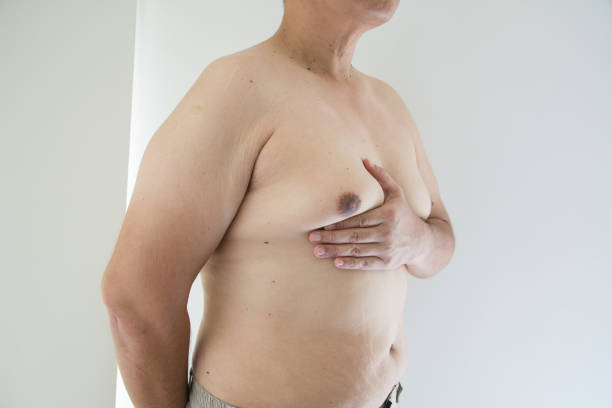

Men over 30 often approach Gynaecomastia Surgery in Dubai with a different mindset than younger patients. The concern is rarely impulsive. It usually comes after years of managing discomfort, embarrassment, or frustration that did not resolve with exercise or lifestyle changes. Clinically, this age group tends to ask more practical questions: Will recovery be slower? Are results still predictable? Is surgery worth it now? This article focuses on how age affects tissue behavior, healing, expectations, and decision-making, without exaggeration or cosmetic promises.
Why Gynaecomastia Often Persists After 30
Why doesn’t it resolve on its own anymore?
In clinical observation, gynaecomastia that persists into the 30s is usually well-established gland tissue. Hormonal fluctuations from puberty have stabilized, and spontaneous regression is unlikely. Patients often report long-term firmness or tenderness that does not change despite weight loss or strength training.
Tissue Changes With Age
How does chest tissue behave differently?
As men age, gland tissue becomes denser and skin elasticity gradually decreases. This does not prevent good outcomes, but it influences surgical planning. Surgeons often adjust technique to ensure smooth contouring and proper skin adaptation rather than relying on fat removal alone.
Is Surgery Still Effective After 30?
Do results differ compared to younger patients?
Results are generally very predictable in this age group. Based on follow-up data, men over 30 often report high satisfaction because expectations are realistic. The primary difference is not outcome quality, but patience during healing.
Recovery Expectations for Men Over 30
Is recovery slower with age?
Recovery may feel slightly slower compared to younger patients, but differences are usually modest. Clinically, most men over 30:
- Return to desk work within a week
- Experience manageable soreness rather than sharp pain
- Notice swelling resolving steadily over several weeks
Consistency with aftercare matters more than age alone.
Pain Tolerance and Comfort Levels
Do older patients feel more discomfort?
Pain perception varies more by individual than age. In clinical settings, men over 30 often tolerate recovery well because they are more cautious and compliant with instructions. Discomfort is commonly described as tightness or pressure rather than pain.
Lifestyle Factors That Matter More After 30
What habits influence outcomes most?
At this stage of life, recovery is strongly affected by daily habits:
- Smoking slows healing and affects scar quality
- Poor sleep increases inflammation
- High stress can amplify discomfort perception
Patients who adjust these factors temporarily often report smoother recovery.
Skin Retraction and Chest Appearance
Will the skin tighten properly?
Mild to moderate skin laxity usually adapts well after surgery. In clinical practice, compression garments and gradual activity help support skin retraction. Severe laxity is less common but may require additional planning.
Emotional Perspective: Why Men Over 30 Decide Now
What finally pushes patients to surgery?
Many patients describe reaching a point of fatigue rather than urgency. Common motivations include:
- Long-term self-consciousness
- Avoidance of fitted clothing
- Feeling that the issue no longer aligns with their self-image
Relief after surgery is often described as quiet and steady rather than dramatic.
One Practical Comparison: Under 30 vs Over 30
| Aspect | Under 30 | Over 30 |
|---|---|---|
| Tissue softness | Higher | Firmer |
| Skin elasticity | Better | Slightly reduced |
| Recovery pace | Faster | Gradual |
| Satisfaction | High | Often higher due to expectations |
Patient Reflections
“I waited years thinking it would go away. After 35, I realized it wasn’t changing and felt ready.” — Imran, 38
“Recovery wasn’t difficult, just slower than I imagined. Following instructions made all the difference.” — Mark, 42
Frequently Asked Questions
Is there an upper age limit for surgery?
There is no strict age limit. Overall health matters more than age.
Will results look natural at my age?
Yes. Proper planning focuses on natural chest shape rather than aggressive flattening.
Does age increase complication risk?
When medical conditions are controlled, complication rates remain low.
Can I combine surgery with weight loss goals?
Weight stability is usually recommended before surgery for predictable results.
Is revision more common in older patients?
Revision rates are low and are more related to tissue type than age.
Why Choose Us
At Tajmeels Clinic, treatment planning for men over 30 emphasizes realistic expectations, anatomical assessment, and recovery strategies that respect lifestyle and health considerations.