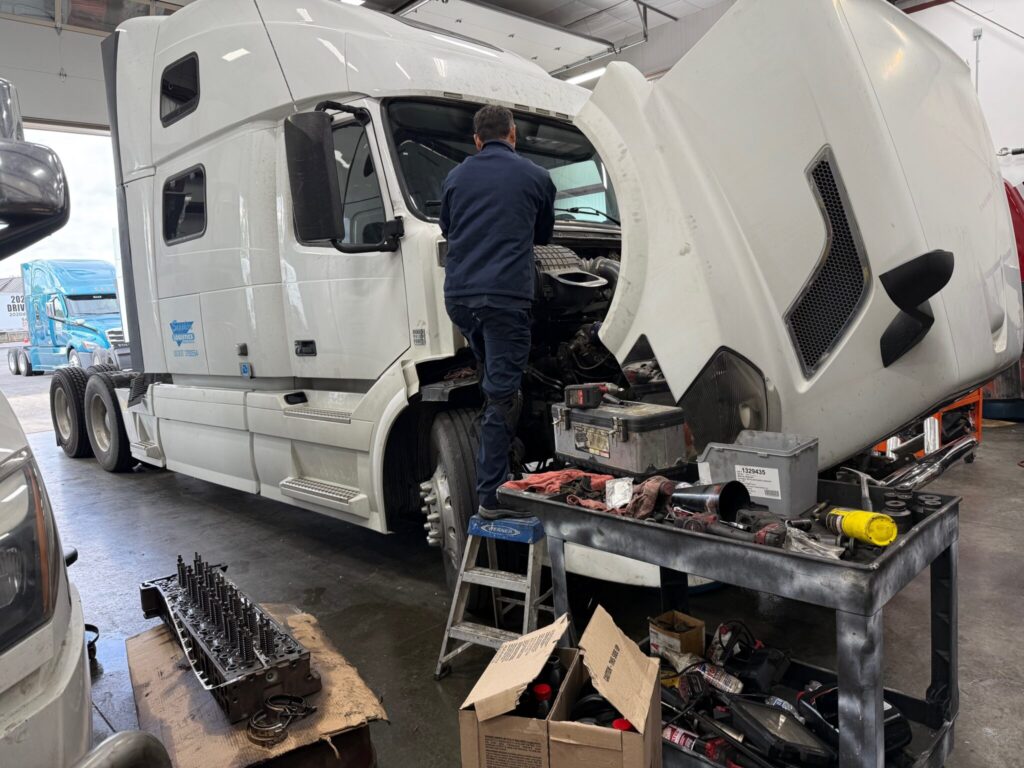

Downtime is one of the biggest operational challenges fleet owners face. Every hour a trailer sits idle due to mechanical failure means missed deliveries, unhappy clients, and increased costs. While breakdowns may seem unavoidable, many of them are the result of neglected maintenance. Preventive trailer maintenance is one of the most effective ways to reduce downtime, control expenses, and keep fleets operating efficiently. At 2020 Truck and Trailer Repair, we work closely with fleet owners to help them stay ahead of problems before they interrupt daily operations.
What Preventive Trailer Maintenance Really Means
Preventive maintenance is not just about fixing what is broken. It involves regularly inspecting, servicing, and adjusting trailer components to ensure they continue performing as intended. This approach identifies wear and tear early and addresses small issues before they turn into major failures.
Fleet owners who invest in preventive maintenance benefit from fewer roadside emergencies, better compliance with regulations, and improved safety for drivers and cargo. Over time, this proactive strategy results in smoother operations and predictable maintenance schedules.
Reducing Roadside Breakdowns
Unexpected breakdowns are a major source of downtime. Problems such as air leaks, worn brakes, damaged wiring, or tire failures often develop gradually. Without regular inspections, these issues go unnoticed until the trailer fails on the road.
Preventive maintenance focuses on early detection. Routine checks help identify weak points in braking systems, electrical connections, tires, and air components. Addressing these issues ahead of time reduces the likelihood of sudden breakdowns that require emergency repairs and extended delays.
Protecting Suspension and Load Stability
The suspension system plays a critical role in trailer performance and safety. Components such as springs, bushings, air bags, and mounts absorb road shock and help maintain load stability. Ignoring suspension wear can lead to poor handling, uneven tire wear, and increased stress on the frame.
Regular inspection and servicing of heavy duty truck suspension components help maintain proper ride height and balance. A well maintained suspension system reduces strain on other parts of the trailer and improves overall road performance. This not only reduces downtime but also extends the life of tires and axles.
Extending Tire and Wheel Life
Tires and wheels are among the most frequently replaced trailer components. Blowouts and wheel failures often happen due to underinflation, misalignment, or bearing issues. These incidents cause delays and can damage surrounding parts.
Preventive maintenance includes checking tire pressure, tread depth, alignment, and wheel bearings. Paying attention to each semi trailer wheel helps prevent overheating, uneven wear, and sudden tire failures. Consistent care increases tire life and minimizes unplanned stops.
Improving Safety and Compliance
Fleet owners must meet strict safety and inspection standards. Trailers that fail inspections can be placed out of service, leading to immediate downtime. Preventive maintenance reduces this risk by keeping critical systems in compliant condition.
Brake adjustments, lighting checks, suspension inspections, and air system testing are all part of a comprehensive maintenance routine. Well maintained trailers are more likely to pass inspections, keeping schedules intact and reducing stress for drivers and managers alike.
Lowering Long Term Repair Costs
One of the biggest advantages of preventive maintenance is cost control. Emergency repairs are almost always more expensive than scheduled service. Towing fees, rushed labor, and secondary damage can significantly increase expenses.
By addressing wear early, fleet owners avoid major component failures that require costly replacements. Routine maintenance spreads costs over time and allows for better budget planning. It also reduces the risk of cascading failures that occur when one neglected part damages another.
Supporting Reliable Scheduling and Productivity
Downtime disrupts delivery schedules and impacts customer trust. Preventive maintenance creates reliability. Fleet managers can schedule service during off peak hours instead of reacting to unexpected failures.
With fewer breakdowns, drivers spend more time on the road and less time waiting for repairs. This consistency improves productivity across the fleet and strengthens operational efficiency.
Building a Maintenance Partnership
Working with a professional repair facility adds value to preventive maintenance programs. At 2020 Truck and Trailer Repair, our technicians understand the demands placed on commercial fleets. We provide thorough inspections, clear recommendations, and practical maintenance plans tailored to fleet needs.
Having a trusted service partner ensures that maintenance is done correctly and documented properly. This partnership helps fleet owners make informed decisions and avoid recurring issues.
Conclusion
Preventive trailer maintenance is one of the most effective ways fleet owners can reduce downtime and protect their investment. By focusing on early detection, proper care of heavy duty truck suspension systems, and consistent inspection of every semi trailer wheel, fleets can avoid costly breakdowns and unexpected delays. Preventive maintenance improves safety, compliance, and long term reliability. With support from 2020 Truck and Trailer Repair, fleet owners gain peace of mind knowing their trailers are prepared for the demands of the road.