
Introduction
In a world where sustainability and environmental responsibility are becoming top priorities, innovative products are transforming waste into valuable resources. One such remarkable innovation is paper pencils—eco-friendly writing tools made from recycled paper. These pencils represent a powerful shift from traditional wood-based stationery to sustainable alternatives that reduce waste and protect natural resources.
Paper pencils are not just a trend; they are part of the global movement toward a circular economy and green living. This article explores the journey from waste to writing, explaining how paper pencils are made, their environmental benefits, and why they are becoming popular in schools, offices, and eco-conscious brands.
What Are Paper Pencils?
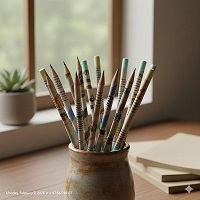
Paper pencils are writing tools made by tightly rolling layers of recycled paper around a graphite core. Unlike traditional wooden pencils that require timber, paper pencils use waste paper such as newspapers, magazines, office paper, and kraft paper.
These pencils are designed to be eco-friendly, biodegradable, and sustainable. They look stylish, perform well, and help reduce environmental impact, making them an excellent alternative to conventional stationery.
The Problem with Traditional Pencils
Traditional wooden pencils have been used for centuries, but their production has environmental consequences. Millions of trees are cut down annually to meet the global demand for pencils and other wood-based products. Additionally, plastic pens contribute significantly to pollution and landfill waste.
Key environmental concerns include:
-
Deforestation and habitat loss
-
High energy consumption in manufacturing
-
Chemical processing and pollution
-
Plastic waste that takes centuries to decompose
Paper pencils provide a sustainable solution by transforming waste paper into functional writing tools.
The Journey from Waste to Writing
The production of paper pencils is a fascinating process that turns discarded paper into a useful everyday product. Let’s explore each step in detail.
Step 1: Collection of Waste Paper
The journey begins with collecting waste paper from various sources, including:
-
Newspapers and magazines
-
Office paper waste
-
Cardboard and kraft paper
-
Industrial paper scraps
This step is crucial because it reduces the amount of paper sent to landfills and promotes recycling. Waste paper is sorted based on quality, thickness, and type to ensure the final product is strong and durable.
Step 2: Sorting and Cleaning
Once collected, the waste paper is sorted and cleaned to remove impurities such as:
-
Staples and paper clips
-
Plastic coatings
-
Dirt and contaminants
This ensures the paper is suitable for manufacturing pencils and meets quality standards.
Step 3: Paper Processing and Preparation
After sorting, the paper is processed into sheets or strips suitable for rolling. In some cases, the paper is treated with eco-friendly solutions to improve strength and flexibility. The goal is to create paper that can be tightly rolled without tearing or breaking.
This step is essential for ensuring the durability of the final pencil.
Step 4: Graphite Core Preparation
The graphite core is the heart of the pencil. It is made from a mixture of graphite and clay, which determines the pencil’s hardness and writing quality.
Common grades include:
-
HB for everyday writing
-
2B, 4B for drawing and sketching
-
H grades for technical writing
The graphite cores are cut into standard pencil lengths and prepared for insertion into the paper casing.
Step 5: Rolling the Paper Around the Graphite Core
This is the most important step in making paper pencils. Strips of processed paper are tightly rolled around the graphite core using specialized machines or manual techniques. Multiple layers of paper are wrapped to provide strength and durability.
Eco-friendly adhesives are used to bind the layers together, ensuring the pencil remains firm and long-lasting.
Step 6: Shaping and Cutting
Once rolled, the paper tubes are cut into standard pencil lengths. The ends are trimmed, and the pencils are shaped to ensure uniformity. Some manufacturers add ferrules or erasers, while others keep the design minimal to maintain biodegradability.
Step 7: Printing and Customization
Paper pencils can be customized with:
-
Brand logos
-
Educational messages
-
Eco-friendly slogans
-
Decorative patterns
Printing is done using non-toxic inks to maintain sustainability. Customization makes paper pencils ideal for corporate branding, school kits, and promotional products.
Step 8: Finishing and Packaging
The final step involves quality checks and packaging. Paper pencils are often packed in eco-friendly boxes, recycled paper packs, or biodegradable sleeves. Sustainable packaging ensures that the product remains environmentally responsible from production to delivery.
Why Paper Pencils Are Eco-Friendly
1. Made from Recycled Materials
Paper pencils use recycled paper, reducing the need for virgin paper production. Recycling paper saves trees, water, and energy, making paper pencils a sustainable choice.
2. Reduce Deforestation
Traditional pencils require wood, which contributes to tree cutting and forest depletion. Paper pencils eliminate the need for timber, helping protect forests and wildlife habitats.
3. Biodegradable and Compostable
Many paper pencils are biodegradable and break down naturally over time. Unlike plastic pens, they do not contribute to long-term landfill waste.
4. Lower Carbon Footprint
Manufacturing paper pencils from recycled paper consumes less energy than processing wood or plastic. This reduces greenhouse gas emissions and environmental impact.
5. Support Circular Economy
Paper pencils are a perfect example of the circular economy, where waste materials are reused to create new products. This reduces waste and promotes sustainable resource management.
Uses of Paper Pencils
1. Schools and Educational Institutions
Paper pencils are ideal for schools because they promote sustainability and environmental awareness among students. They are safe, durable, and perfect for daily writing and drawing.
2. Offices and Corporate Environments
Offices use paper pencils for meetings, training sessions, and daily tasks. They also serve as eco-friendly promotional products for corporate branding.
3. Artists and Designers
Artists and designers use paper pencils for sketching, drafting, and creative work. They offer smooth writing and a unique texture.
4. Eco-Friendly Brands and Events
Many eco-conscious brands use paper pencils for marketing campaigns, corporate gifts, and sustainable events. They highlight a brand’s commitment to the environment.
Paper Pencils vs Traditional Wooden Pencils
Traditional Wooden Pencils
-
Made from wood
-
Contribute to deforestation
-
Moderate environmental impact
-
Widely available and affordable
Paper Pencils
-
Made from recycled paper
-
Eco-friendly and biodegradable
-
Reduce waste and deforestation
-
Support sustainable living
Conclusion: Paper pencils are the greener alternative.
Educational Value of Paper Pencils
Paper pencils are not just writing tools—they are educational tools. They teach students about:
-
Recycling and waste management
-
Sustainable consumption
-
Environmental responsibility
-
Circular economy concepts
Schools and NGOs can use paper pencils in environmental awareness programs and workshops.
Challenges in Making Paper Pencils
While paper pencils offer many benefits, there are some challenges:
-
Slightly higher production cost
-
Need for high-quality recycled paper
-
Less water resistance compared to wooden pencils
-
Limited awareness among consumers
However, technological advancements and growing demand are addressing these challenges.
Future Innovations in Paper Pencil Manufacturing
The future of paper pencils is promising, with innovations such as:
-
Plantable paper pencils with seeds
-
Water-resistant biodegradable coatings
-
Fully compostable pencil materials
-
Smart eco-friendly packaging
-
Customizable sustainable branding solutions
These innovations will make paper pencils even more attractive and widely adopted.
How Consumers Can Support Sustainable Writing
Consumers can contribute to sustainability by:
-
Choosing paper pencils over traditional pencils
-
Using recycled notebooks and stationery
-
Avoiding plastic pens and single-use products
-
Supporting eco-friendly brands
-
Educating others about sustainable products
Small choices can create a big environmental impact.
Why Paper Pencils Matter in a Sustainable Future
Paper pencils represent innovation, responsibility, and sustainability. They turn waste into useful products, reduce deforestation, minimize pollution, and inspire eco-friendly habits.
By using paper pencils, individuals and organizations contribute to a greener planet and promote sustainable living.
Conclusion
The journey from waste to writing is a powerful story of innovation and sustainability. Paper pencils transform discarded paper into functional writing tools, reducing waste and protecting natural resources. From collecting waste paper to rolling it around a graphite core and customizing the final product, every step in the manufacturing process supports sustainability.
Paper pencils are eco-friendly, biodegradable, durable, and stylish, making them ideal for schools, offices, artists, and eco-conscious brands. As the world moves toward sustainable living and circular economy practices, paper pencils are becoming an essential part of modern stationery.
By choosing paper pencils, you are not just writing—you are contributing to environmental conservation, recycling, and a greener future.