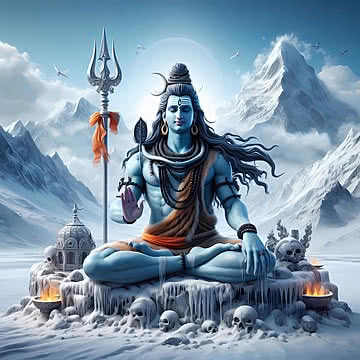

Maha Shivratri, the “Great Night of Lord Shiva,” is one of the most sacred festivals in Hinduism. Celebrated on the 14th night of the dark fortnight (Krishna Paksha) in the month of Phalguna, this festival is dedicated to Lord Shiva, the cosmic destroyer, transformer, and the embodiment of supreme consciousness. Beyond rituals and fasting, Maha Shivratri offers a unique opportunity to awaken the inner Shiva within oneself — the power of awareness, transformation, and spiritual liberation.
Awakening your inner Shiva means connecting with qualities such as detachment, compassion, wisdom, and strength. It is a journey of self-realization, where one learns to conquer ego, overcome negativity, and achieve inner peace. This Maha Shivratri, understanding and practicing the essence of Shiva can bring profound spiritual, emotional, and mental transformation.
1. Understanding the Symbolism of Lord Shiva
Lord Shiva represents more than a deity; he symbolizes the ultimate truth and consciousness. His form and attributes carry deep spiritual meaning:
-
Third Eye: Shiva’s third eye represents insight, inner vision, and the power to destroy ignorance. Awakening inner Shiva encourages introspection and clarity.
-
Trident (Trishul): The trident symbolizes control over the three gunas (sattva, rajas, tamas) and the balance of mind, body, and spirit.
-
Crescent Moon: The moon on Shiva’s head signifies calmness and mental control, reminding us to remain balanced amid life’s challenges.
-
River Ganga: Flowing from his matted hair, Ganga represents purification and spiritual cleansing.
-
Serpent around Neck: Symbolizes energy (Kundalini) and fearlessness in the face of life’s challenges.
By meditating on these symbols and their meanings, one can begin the journey of awakening the inner Shiva, cultivating strength, awareness, and spiritual insight.
2. Significance of Maha Shivratri
Maha Shivratri is not just a celebration; it is a spiritual event that encourages introspection, fasting, and awakening consciousness.
-
Night of Awakening: Staying awake all night (jagarana) symbolizes vigilance over the mind and senses.
-
Spiritual Cleansing: Fasting and rituals purify the body and mind, allowing one to connect deeply with higher consciousness.
-
Overcoming Darkness: The festival emphasizes conquering ignorance, negativity, and ego, much like Shiva destroys illusions in the universe.
-
Union of Shiva and Shakti: Shivratri represents the balance of energies — masculine and feminine, creation and destruction, activity and stillness.
By observing the rituals mindfully, devotees can experience a transformation of consciousness, aligning with the cosmic energy of Shiva.
3. How to Awaken Your Inner Shiva This Maha Shivratri
Awakening your inner Shiva requires intention, discipline, and devotion. Here are practical steps to harness this energy:
a) Meditation and Silence
-
Dedicate time for meditation, preferably near a Shiva Lingam or in a quiet sacred space.
-
Focus on the mantra “Om Namah Shivaya”, repeating it silently or aloud.
-
Visualize divine Shiva energy flowing through you, removing negativity and filling you with awareness.
Meditation strengthens mental clarity, emotional balance, and spiritual insight — core qualities of the inner Shiva.
b) Fasting for Purification
-
Observing a fast on Maha Shivratri helps purify the body and mind.
-
A simple diet of fruits, milk, nuts, or even water-only fasting aligns your energy with cosmic vibrations.
-
Fasting teaches self-discipline, detachment, and focus, essential aspects of inner Shiva.
c) Ritual Worship (Shiva Pooja and Abhishek)
-
Performing Shiva Lingam Abhishek with milk, water, honey, and flowers symbolizes cleansing of the mind and soul.
-
Chanting mantras like the Maha Mrityunjaya Mantra or Rudram Chamakam invokes Shiva’s transformative energy.
-
Offer bilva leaves, incense, and light lamps to create positive vibrations in your surroundings.
Ritual worship is a practical method to awaken inner consciousness while expressing devotion and gratitude.
d) Chanting and Mantras
-
Om Namah Shivaya: This five-syllable mantra embodies devotion, surrender, and self-purification.
-
Maha Mrityunjaya Mantra: Reciting this powerful mantra heals fears, removes negativity, and strengthens inner resilience.
-
Chanting mantras aligns the mind with divine energy, promoting calmness, clarity, and emotional stability.
e) Reflection and Self-Transformation
-
Shiva is the lord of destruction, not for negativity but for destroying ego, ignorance, and attachments.
-
Reflect on habits, relationships, and thoughts that no longer serve you.
-
Set intentions to overcome negativity, cultivate compassion, and live consciously.
This internal reflection mirrors Shiva’s cosmic role, helping you transform challenges into growth.
4. Spiritual Practices to Embrace the Energy of Shiva
Beyond rituals, Maha Shivratri is an ideal time to adopt practices that awaken your inner Shiva:
-
Japa (Repetition of Mantras): Focused repetition calms the mind and strengthens devotion.
-
Seva (Service): Acts of kindness, charity, and helping the needy reflect Shiva’s compassion.
-
Detachment: Practice letting go of grudges, jealousy, and unnecessary attachments.
-
Yoga and Pranayama: Physical and breathing exercises balance energy and enhance spiritual awareness.
-
Silent Contemplation: Spend time observing your thoughts without judgment, cultivating awareness and inner peace.
5. Benefits of Awakening Your Inner Shiva
When you consciously awaken Shiva’s energy within, you experience profound transformations:
-
Mental Clarity and Calmness: A clear, focused mind free from negativity and ego.
-
Emotional Stability: Reduced stress, patience, and empathy in relationships.
-
Spiritual Growth: Heightened awareness, intuition, and connection to universal consciousness.
-
Overcoming Obstacles: The inner strength to face challenges fearlessly, just like Shiva.
-
Harmony and Peace: Balanced energies in life, leading to overall well-being and happiness.
6. Awakening Inner Shiva in Daily Life
The energy of Shiva is not limited to one night. Integrating Shiva’s qualities into daily life ensures lasting transformation:
-
Practice Mindfulness: Stay present in every action, observing thoughts and emotions.
-
Serve Others Selflessly: Compassion and generosity reflect Shiva’s energy.
-
Maintain Detachment: Focus on actions, not outcomes, to reduce stress and anxiety.
-
Meditate Daily: Even 10–15 minutes of meditation strengthens inner awareness.
-
Embrace Change: Accept life’s cycles of creation, preservation, and destruction with courage.
By embodying Shiva’s qualities consistently, you transform your life into a path of wisdom, balance, and spiritual awakening.
Conclusion
Find the best Indian astrologer in Canada for accurate Vedic horoscope readings, personalized guidance, and effective remedies for love, career, health, and life decisions. Expert insights tailored to your needs. Maha Shivratri is more than fasting, rituals, or temple visits. It is a sacred opportunity to awaken your inner Shiva — the consciousness that can conquer ignorance, ego, and negativity. By meditating, chanting, fasting, performing rituals, and embracing self-reflection, you connect with Shiva’s transformative energy.
This Maha Shivratri, dedicate yourself to self-purification, inner strength, and spiritual growth. Awaken the calm, compassionate, and fearless Shiva within, and let his energy guide you toward peace, wisdom, and liberation.