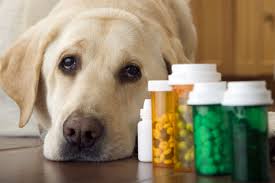

Dogs, like humans, can develop bacterial infections that require medical intervention. From skin wounds and ear infections to urinary tract infections and respiratory illnesses, bacteria can cause discomfort, prolong illness, and sometimes lead to serious health complications if left untreated. In many cases, veterinarians prescribe an antibiotic tablet for dogs to combat infections, prevent complications, and support recovery.
Using antibiotic tablets safely and effectively is essential for your dog’s health. Misuse or incomplete courses can lead to antibiotic resistance, recurring infections, or even harmful side effects. This guide provides an in-depth overview of when antibiotics are needed, how they work, proper usage, and important safety considerations for pet owners.
When Dogs Need Antibiotic Tablets
Antibiotics are designed to fight bacterial infections, but they are not effective against viral, fungal, or parasitic infections. Understanding when your dog requires an antibiotic tablet helps prevent unnecessary medication and ensures effective treatment.
1. Skin and Wound Infections
Dogs are prone to cuts, scrapes, bite wounds, and abrasions that can become infected if bacteria enter the skin. Symptoms include redness, swelling, pus, foul odor, and delayed healing. Veterinarians often prescribe antibiotics to control bacterial growth and prevent the infection from spreading.
2. Ear Infections
Bacterial ear infections are common in dogs, especially those with floppy ears. Signs include scratching at the ears, head shaking, discharge, and a strong odor. Oral antibiotic tablets are sometimes prescribed for severe or recurring infections in addition to topical ear treatments.
3. Urinary Tract Infections (UTIs)
UTIs in dogs are caused by bacterial colonization of the urinary tract. Symptoms include frequent urination, straining, blood in urine, and accidents indoors. Oral antibiotic tablets are commonly used to eliminate bacteria and restore urinary health.
4. Respiratory Infections
Dogs can develop bacterial respiratory infections affecting the trachea, bronchi, or lungs. Symptoms include coughing, sneezing, nasal discharge, and difficulty breathing. Veterinarians may prescribe antibiotic tablets to treat moderate to severe infections.
5. Post-Surgical or Internal Infections
After surgery or invasive procedures, antibiotics may be necessary to prevent or treat infections at the incision site or internal organs.
How Antibiotic Tablets Work
Antibiotic tablets work by targeting and eliminating bacteria in a dog’s body. They can:
-
Kill bacteria directly (bactericidal effect) – Eliminating the bacteria causing the infection.
-
Inhibit bacterial growth (bacteriostatic effect) – Slowing bacterial multiplication to allow the immune system to fight the infection.
Commonly prescribed antibiotic tablets for dogs include:
-
Amoxicillin and Amoxicillin-Clavulanate: Broad-spectrum antibiotics for skin, wound, and respiratory infections.
-
Cephalexin: Effective for skin infections, abscesses, and soft tissue infections.
-
Clindamycin: Used for deep tissue infections, abscesses, and oral infections.
-
Doxycycline: Effective against tick-borne infections and certain bacterial infections.
Proper Use of Antibiotic Tablets
To ensure effectiveness and safety, follow these key guidelines when administering antibiotics to your dog:
1. Follow Veterinary Instructions
Always give the exact dosage and complete the full course, even if your dog appears healthy before finishing the medication. Skipping doses or stopping early can lead to treatment failure and antibiotic resistance.
2. Administer With Food if Recommended
Some antibiotics can cause stomach upset if taken on an empty stomach. Giving the tablet with a small amount of food helps reduce nausea and improves absorption.
3. Monitor for Side Effects
Common side effects may include vomiting, diarrhea, loss of appetite, or mild lethargy. Severe reactions, such as swelling, hives, or difficulty breathing, require immediate veterinary attention.
4. Avoid Human Medications
Never give your dog human antibiotics unless explicitly directed by a veterinarian. Many human medications can be toxic to dogs or ineffective against canine infections.
5. Store Medications Properly
Keep antibiotics in a cool, dry place away from sunlight and out of reach of children and pets. Proper storage maintains the drug’s effectiveness.
Supporting Recovery While on Antibiotics
In addition to medication, supporting your dog’s recovery can speed healing and improve overall health:
1. Maintain Hygiene
Clean the affected area regularly, especially for wounds or skin infections. Use veterinarian-recommended antiseptic solutions, and avoid harsh chemicals.
2. Prevent Self-Trauma
Dogs often lick or scratch infected areas. Using an Elizabethan collar (cone) or protective clothing can prevent aggravation and secondary infections.
3. Provide a Balanced Diet
Proper nutrition strengthens the immune system, aids tissue repair, and supports recovery. Include high-quality protein, fatty acids, vitamins, and minerals.
4. Limit Activity
Rest and limited activity help prevent reopening wounds or worsening infections. Allow your dog to recover in a calm environment.
5. Schedule Follow-Up Visits
Follow up with your veterinarian to ensure the infection is resolving and to adjust medication if necessary.
Risks of Improper Antibiotic Use
Misuse of antibiotic tablets can have serious consequences:
-
Antibiotic Resistance: Bacteria become resistant, making future infections harder to treat.
-
Recurrent Infections: Incomplete treatment may result in the infection returning stronger.
-
Side Effects and Toxicity: Overdosing or giving the wrong medication can damage the liver, kidneys, or gastrointestinal system.
-
Allergic Reactions: Some dogs may develop allergic reactions that require urgent care.
Responsible use under veterinary supervision is essential to minimize these risks.
Preventing Infections in Dogs
Prevention reduces the need for antibiotics and keeps your dog healthier:
-
Regular Vet Checkups: Early detection of infections prevents complications.
-
Vaccinations: Protect against viral infections that may weaken the immune system.
-
Proper Hygiene: Regular grooming, cleaning of ears and skin folds, and wound care reduce infection risk.
-
Parasite Control: Flea, tick, and worm preventatives prevent secondary infections.
-
Safe Environment: Avoid exposure to sharp objects, dirty water, or unsanitary areas.
Final Thoughts
An antibiotic tablet for dogs is a powerful tool in treating bacterial infections, from skin and ear infections to urinary and respiratory conditions. Proper use, guided by a veterinarian, ensures the medication is effective and safe.