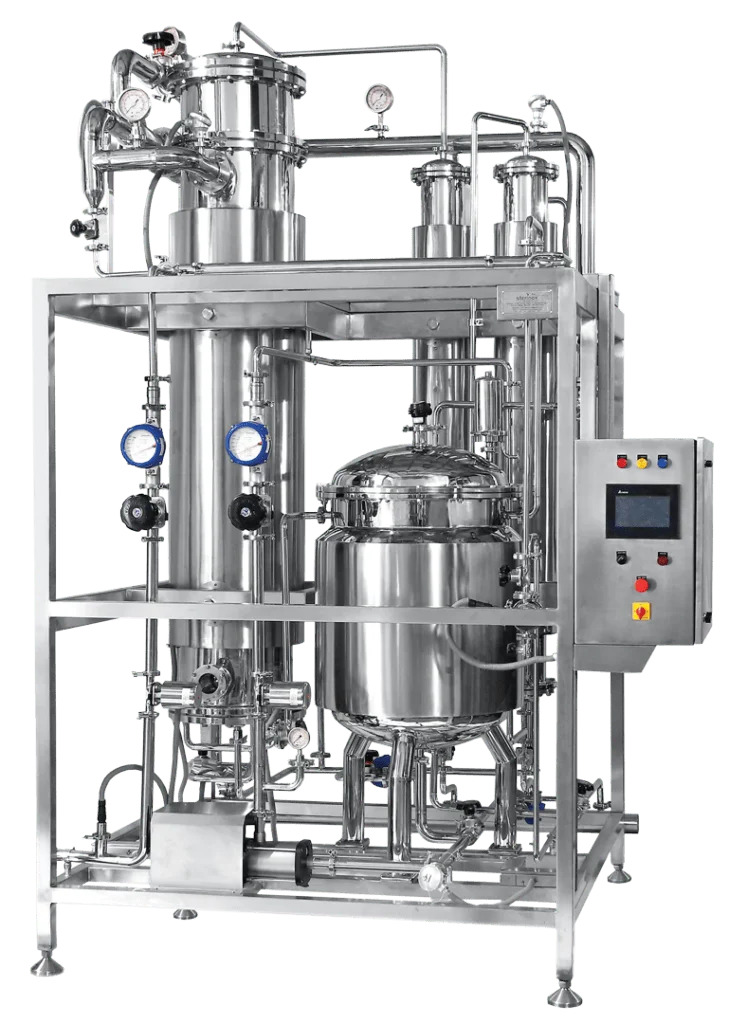

In pharmaceutical manufacturing, steam quality directly impacts product safety, regulatory compliance, and operational efficiency. Whether you’re setting up a new facility or upgrading existing equipment, selecting appropriate pure steam generator systems requires careful consideration of multiple technical and business factors. This guide helps you navigate the decision-making process to ensure you invest in equipment that meets both current requirements and future needs.
Why Pure Steam Quality Cannot Be Compromised
Pharmaceutical processes demand steam that meets stringent purity standards defined by USP (United States Pharmacopeia) and EP (European Pharmacopoeia). Unlike industrial steam used for heating, pharmaceutical-grade steam must be completely free from pyrogens, endotoxins, particles, and chemical contaminants. This steam comes into direct contact with products, sterilizes equipment, and cleans critical manufacturing areas.
A reliable pure steam generation system ensures your facility maintains GMP compliance while avoiding costly production interruptions. Contaminated steam can compromise entire batches, leading to product recalls, regulatory sanctions, and significant financial losses. The stakes are high, making your choice of equipment supplier crucial.
Understanding Pure Steam Generator Technology
Modern pure steam generator system designs primarily use multi-effect distillation technology, where steam from clean steam generators or plant steam passes through multiple evaporation chambers. Each effect utilizes heat from the previous stage, creating a cascade of increasingly pure condensate that’s finally converted into pharmaceutical-grade steam.
Sterinox Systems manufactures pure steam generators using this proven multi-effect principle, incorporating 316L stainless steel construction throughout the steam-contact pathway. This material selection prevents corrosion and contamination while ensuring long-term durability. Their systems feature automated controls that continuously monitor critical quality parameters including conductivity, non-condensable gases, and pressure differentials.
Capacity Planning: Getting the Size Right
One of the most common mistakes facilities make is incorrectly sizing their pure steam generator systems. Undersized generators create bottlenecks during peak demand periods, forcing compromises in cleaning or sterilization cycles. Oversized units waste energy and increase operational costs unnecessarily.
Proper capacity planning requires analyzing your facility’s simultaneous steam demands. Consider sterilizers, clean-in-place (CIP) systems, equipment sterilization, and any other processes requiring pure steam. Don’t forget to factor in future expansion plans—installing additional capacity later often costs significantly more than planning ahead.
Sterinox Systems provides detailed engineering assessments to determine optimal generator sizing. Their team analyzes your production schedules, equipment specifications, and growth projections to recommend capacity that balances efficiency with flexibility.
Evaluating Pure Steam Generator Manufacturers in India
When selecting pure steam generator manufacturers in India, look beyond initial equipment costs. Total cost of ownership includes energy consumption, maintenance requirements, spare parts availability, and validation support. Local manufacturers often provide advantages in terms of faster service response times, easier spare parts procurement, and better understanding of regional regulatory requirements.
Key evaluation criteria should include:
-
Manufacturing quality: Material certifications, welding standards, and surface finish quality
-
Design capabilities: Customization options and engineering support
-
Validation documentation: IQ/OQ/PQ protocols and ongoing quality assurance
-
After-sales service: Maintenance contracts, technical support availability, and spare parts inventory
-
Regulatory expertise: Understanding of cGMP, FDA, and WHO requirements
Energy Efficiency and Operational Costs
Operating a pure steam generation system involves significant energy consumption. Multi-effect designs offer substantial energy savings compared to single-effect systems, reducing utility costs by 40-60%. Sterinox Systems incorporates heat recovery mechanisms that further optimize energy utilization, lowering your facility’s operational expenses and environmental impact.
Consider also the automation level—advanced control systems reduce manual intervention, minimize human error, and maintain consistent quality with less operator training required.
Conclusion
Choosing the right pure steam generator systems requires balancing technical specifications, regulatory compliance, operational efficiency, and long-term support. By partnering with experienced manufacturers who understand pharmaceutical requirements, you protect your production processes, ensure product quality, and simplify regulatory compliance. Evaluate potential suppliers based on their technical expertise, validation support, energy efficiency features, and commitment to ongoing service. Your pure steam generator is not just equipment—it’s a critical component protecting your pharmaceutical operations for decades to come.