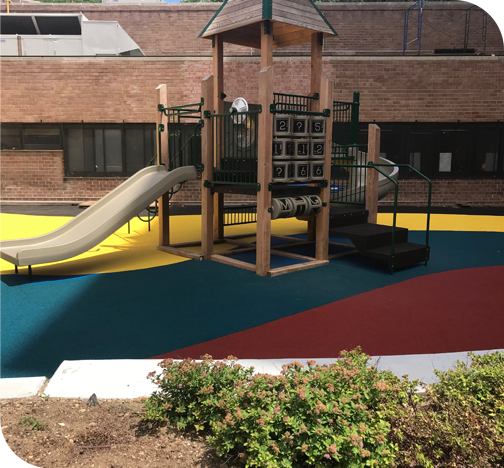

When it comes to creating safe, durable, and visually appealing ground surfaces for playgrounds, recreational spaces, walkways, and commercial environments, Poured in place rubber stands out as a top choice. Designed to deliver both performance and aesthetics, poured-in-place rubber surfacing continues to gain popularity among homeowners, architects, and landscape professionals alike.
In this comprehensive guide, we’ll explore what poured rubber surfacing is, why it’s beneficial, and how it compares to other surfacing options — while answering your most frequently asked questions about this innovative surface solution.
What is Poured in Place Rubber?
Poured in place rubber (also referred to as pour in place rubber surfacing) is a seamless, two-layer safety surface made from flexible, durable materials. The top layer typically consists of a wear layer of colored EPDM rubber granules, while the base layer is a resilient cushion made from recycled SBR rubber. Both layers are bound together using a specially formulated polyurethane binder and installed directly on-site.
This surfacing system cures into a smooth, continuous surface that is reliable, impact-absorbing, and virtually maintenance-free, making it ideal for a wide range of applications including playgrounds, splash pads, fitness areas, and more.
Key Benefits of Poured in Place Rubber Surfacing
1. Superior Safety and Comfort
One of the primary reasons property owners choose poured in place rubber surfacing is its unmatched safety performance. The impact-absorbing properties of this rubber surfacing help reduce the risk of injuries from falls — an essential feature for playgrounds and recreational facilities.
The soft but stable surface also offers excellent comfort for walking, running, or standing for longer periods, which is why it’s often used in gyms and outdoor fitness zones.
2. Customizable Design Options
Unlike other surfacing materials that can look plain or industrial, pour in place rubber offers endless design possibilities. You can choose from an extensive palette of colors, patterns, and even inlay graphics to create vibrant and engaging outdoor spaces.
Whether you’re aiming for a fun, colorful playground or a sophisticated commercial patio, poured in place rubber surfacing can be tailored to match your design vision.
3. Durability That Lasts
Rubber surfacing is built to withstand heavy foot traffic, changing weather conditions, and daily wear and tear without deteriorating. The strong polyurethane bonding ensures that the surface holds up well over time, resisting cracks, fading, and displacement.
Compared to loose-fill surfaces like mulch or wood chips, poured in place rubber is long-lasting and provides a low cost of ownership over its lifespan.
4. Low Maintenance Surface
Once installed, poured in place rubber requires minimal maintenance. Simple cleaning with water and a light detergent is typically all that’s needed to keep the surface looking new. There’s no need for infill replacement, raking, or regular leveling — which makes this an ideal surfacing solution for both residential and commercial projects.
5. Accessible and ADA-Friendly
Because poured in place rubber surfacing is seamless and smooth, it offers excellent accessibility for wheelchairs, strollers, and walkers. It meets ADA (Americans with Disabilities Act) guidelines for accessible surfaces, making it a leading choice for inclusive playgrounds and community facilities.
Applications for Poured in Place Rubber
This versatile surfacing solution can be used in a wide variety of settings, including:
-
Playgrounds & Parks: Provides a safe, shock-absorbing surface that helps protect children from fall-related injuries.
-
Daycares & Schools: Durable and low maintenance — perfect for high-traffic play areas.
-
Commercial Spaces: Adds aesthetic appeal and safety to plazas, outdoor seating areas, and walkways.
-
Residential Yards: Ideal for backyard play areas, patios, and pool decks.
-
Fitness & Recreation Zones: Comfortably supports exercise activities and heavy use.
Poured in Place Rubber vs. Other Surfacing Options
When planning a surfacing project, it’s important to consider how different materials compare:
Poured in Place vs. Loose-Fill Surfaces
Loose-fill options like wood chips or rubber mulch are often less expensive upfront but require frequent replenishment and leveling. They also shift easily and can create tripping hazards. By contrast, poured-in-place rubber stays stable, looks cleaner, and doesn’t scatter.
Poured in Place vs. Rubber Tiles
Rubber tiles are another popular choice, but they can shift, lift at seams, and trap water beneath them. Pour in place rubber surfacing creates an entirely seamless surface, improving aesthetics, drainage, and safety.
How Poured in Place Rubber is Installed
Installation of poured in place rubber involves several important steps:
-
Site Preparation: The area is excavated and a stable base is prepared, often with compacted aggregate or concrete.
-
Base Layer Application: A resilient cushion layer made from SBR rubber is applied and troweled to the correct thickness.
-
Wear Layer Placement: EPDM rubber granules mixed with binder are poured and spread to create the final surface layer — customized with colors or design patterns.
-
Curing: The surface cures in place to form a strong, seamless, weather-resistant finish.
Professional installation ensures optimal performance and longevity, so working with experienced surfacing contractors is highly recommended.
Final Thoughts
Choosing poured in place rubber surfacing is an investment in safety, durability, and aesthetics. Whether you’re planning a new playground, updating an outdoor space, or enhancing commercial property, this surfacing solution delivers performance that stands the test of time.
With customizable designs, easy maintenance, and superior safety features, pour in place rubber continues to be one of the most trusted surfacing options available today. Contact a surfacing expert to get started on your project and explore the many benefits of this innovative material.