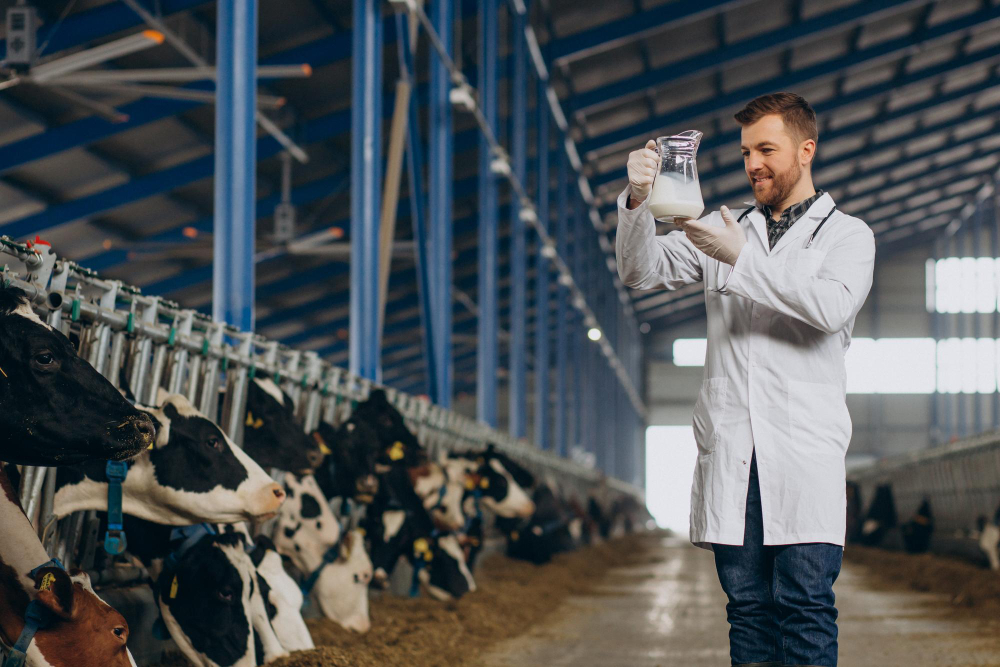

The dairy manufacturing industry operates on thin margins, strict quality standards, and highly time-sensitive operations. From milk procurement and production to cold-chain logistics and regulatory compliance, even small inefficiencies can significantly impact profitability. Rising input costs, labor shortages, fluctuating demand, and increasing compliance requirements further pressure dairy manufacturers to optimize operations.
This is where Enterprise Resource Planning (ERP) systems play a transformative role. A well-implemented ERP solution integrates all core business functions into a single platform, enabling data-driven decisions, operational transparency, and cost control across the dairy value chain.
In this blog, we explore how ERP implementation helps reduce operational and production costs in dairy manufacturing businesses, while improving efficiency, quality, and scalability.
Understanding Cost Challenges in Dairy Manufacturing
Before diving into ERP benefits, it’s important to understand the key cost drivers in dairy manufacturing:
- High raw milk procurement costs and price volatility
- Milk spoilage due to short shelf life
- Energy-intensive processing and cold storage
- Manual and disconnected systems increasing labor costs
- Inventory mismatches leading to overproduction or stockouts
- Regulatory compliance and quality testing expenses
- Inefficient logistics and distribution planning
Without integrated systems, these challenges lead to hidden costs that accumulate over time.
Centralized Operations Reduce Administrative Overheads
One of the primary ways ERP reduces costs is by centralizing business operations.
How ERP Helps:
- Replaces multiple standalone systems with a single unified platform
- Automates finance, procurement, production, inventory, HR, and sales
- Eliminates duplicate data entry and manual reconciliation
Cost Impact:
- Reduced administrative labor costs
- Lower IT maintenance expenses
- Faster inter-department coordination
For dairy manufacturers managing multiple plants or collection centers, ERP ensures consistent processes and standardized reporting across locations.
Optimized Milk Procurement and Vendor Management
Milk procurement accounts for a significant portion of operational costs in dairy manufacturing.
ERP Benefits in Procurement:
- Real-time tracking of milk collection volumes and quality parameters
- Automated pricing based on fat/SNF content
- Supplier performance analytics
- Contract and payment automation
Cost Savings:
- Prevents overpayment due to manual errors
- Improves supplier negotiations using historical data
- Reduces procurement cycle time
ERP enables dairy businesses to procure the right quantity, at the right price, from the right suppliers, minimizing procurement inefficiencies.
Reduced Production Waste and Spoilage
Milk and dairy products have limited shelf life, making waste reduction a top priority.
ERP’s Role in Production Planning:
- Demand-driven production scheduling
- Batch tracking and recipe management
- Real-time production monitoring
- Expiry date and shelf-life management
Cost Benefits:
- Lower raw material wastage
- Reduced rework and rejects
- Improved yield optimization
By aligning production with actual demand, ERP minimizes overproduction and spoilage, directly reducing cost per unit.
Inventory Optimization Lowers Carrying Costs
Inventory mismanagement often results in excess stock, expired products, or emergency purchases at higher costs.
ERP Inventory Capabilities:
- Real-time stock visibility across warehouses and plants
- FIFO/FEFO inventory management
- Automated replenishment planning
- Cold storage utilization tracking
Cost Reduction Outcomes:
- Lower storage and refrigeration costs
- Reduced expired or obsolete inventory
- Improved cash flow by avoiding overstocking
ERP ensures optimal inventory levels, especially critical for perishable dairy products.
Improved Quality Control Reduces Compliance Costs
Quality assurance and regulatory compliance are non-negotiable in dairy manufacturing. Manual quality checks and paperwork increase both cost and risk.
ERP for Quality Management:
- Automated quality testing workflows
- Digital batch and lot traceability
- Integrated compliance documentation
- Real-time deviation alerts
Financial Impact:
- Fewer product recalls and penalties
- Reduced manual inspection effort
- Faster audit readiness
ERP not only ensures compliance with food safety regulations but also reduces the cost associated with quality failures and non-conformance.
Labor Cost Optimization Through Automation
Labor accounts for a large share of operational expenses in dairy manufacturing, especially in manual data handling.
ERP Automation Advantages:
- Automated production reporting
- Digital work orders and scheduling
- HR, payroll, and shift management integration
- Reduced dependency on spreadsheets
Cost Savings:
- Lower overtime and staffing inefficiencies
- Improved workforce productivity
- Reduced human errors
By automating routine tasks, ERP allows staff to focus on higher-value activities, maximizing labor efficiency.
Energy and Utility Cost Control
Dairy manufacturing is energy-intensive, involving refrigeration, pasteurization, and processing equipment.
ERP Insights:
- Machine utilization tracking
- Production downtime analysis
- Energy consumption reporting by process
- Preventive maintenance scheduling
Cost Impact:
- Reduced unplanned equipment downtime
- Lower energy wastage
- Extended equipment life
ERP helps identify inefficiencies and optimize energy usage, leading to measurable reductions in utility expenses.
Streamlined Logistics and Distribution Planning
Inefficient transportation and distribution can significantly inflate costs.
ERP for Logistics:
- Route optimization and delivery scheduling
- Demand-based dispatch planning
- Integration with distributors and retailers
- Real-time order tracking
Cost Benefits:
- Lower fuel and transportation costs
- Reduced delivery delays and returns
- Better cold-chain management
ERP ensures that products reach markets faster and fresher, minimizing losses during transit.
Better Financial Control and Cost Visibility
Without real-time financial data, dairy manufacturers struggle to identify cost leakages.
ERP Financial Management Features:
- Real-time cost tracking by product, batch, or plant
- Budgeting and forecasting tools
- Automated accounting and reconciliation
- Profitability analysis
Cost Reduction Results:
- Early identification of cost overruns
- Improved pricing strategies
- Data-driven financial decisions
ERP provides complete financial transparency, enabling proactive cost control rather than reactive corrections.
Scalability Without Proportional Cost Increase
As dairy businesses grow, operational complexity increases. ERP enables scalable growth without linear cost escalation.
ERP Enables:
- Seamless addition of new products, plants, or markets
- Standardized processes across expansion
- Centralized monitoring and reporting
This scalability ensures that growth does not come with uncontrolled operational costs.
Long-Term ROI of ERP in Dairy Manufacturing
While ERP implementation requires upfront investment, the long-term cost savings far outweigh initial costs.
Key ROI Drivers:
- Reduced operational waste
- Lower labor and energy expenses
- Improved inventory turnover
- Fewer compliance risks
Over time, ERP transforms cost management from a reactive challenge into a strategic advantage.
Conclusion
In an industry where margins are tight and quality expectations are high, ERP implementation is no longer optional for dairy manufacturing businesses. By integrating procurement, production, inventory, quality, finance, and logistics into a unified system, Dairy ERP delivers measurable cost reductions across the entire value chain.
From minimizing milk spoilage and optimizing inventory to automating labor-intensive processes and improving financial visibility, ERP empowers dairy manufacturers to operate leaner, smarter, and more profitably.
For dairy businesses aiming to stay competitive, reduce costs, and scale sustainably, ERP is the foundation of long-term operational excellence.