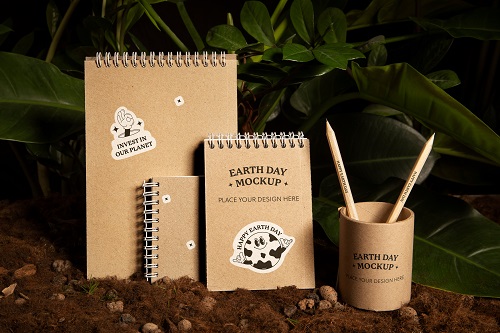

In today’s environmentally conscious world, sustainability has become more than a trend—it’s a necessity. Schools play a crucial role in shaping future generations, and introducing eco-friendly habits early can have lasting impacts. One of the most innovative and practical ways to promote sustainability in schools is through plantable stationery.
Plantable stationery is made from seed paper, which functions like regular paper but can also be planted to grow flowers, herbs, or vegetables. From notebooks and exercise books to greeting cards and bookmarks, these products are transforming the way students, teachers, and schools think about paper. By integrating plantable stationery into classrooms, schools are not only reducing paper waste but also teaching students about environmental responsibility in a hands-on, engaging way.
This guide explores the rise of plantable stationery, its environmental and educational benefits, popular products, and tips for incorporating seed paper into daily school life.
What Is Plantable Stationery?
Plantable stationery refers to paper products made from seed paper, a biodegradable paper embedded with live seeds. Unlike conventional paper, which is often discarded after use, plantable stationery can be planted in soil. As the paper decomposes, the seeds germinate and grow into plants, turning what would have been waste into life.
Examples of Plantable School Supplies
-
Notebooks and journals
-
Exercise and sketchbooks
-
Worksheets and assignments
-
Greeting and thank-you cards
-
Bookmarks and labels
-
Gift tags and stickers
By combining practicality with sustainability, plantable stationery offers a way for students to engage in eco-conscious habits while enjoying the functionality of everyday school supplies.
How Seed Paper Works
Seed paper is made by mixing recycled paper pulp with live seeds. The pulp is pressed into sheets and dried to preserve seed viability. When planted, the paper naturally decomposes, allowing the seeds to sprout and grow.
Common Seeds in Plantable School Supplies
-
Wildflowers: Attract pollinators such as bees and butterflies
-
Herbs: Basil, mint, parsley, coriander
-
Vegetables: Tomato, chili, radish
-
Ornamental Plants: Marigold, sunflower, zinnia
The variety of seeds allows schools to promote biodiversity while providing students with hands-on learning experiences in gardening and environmental stewardship.
Why Plantable Stationery Is Gaining Popularity
The rise of plantable stationery is driven by growing awareness of environmental issues and the desire for sustainable alternatives to traditional paper products. Here’s why it’s becoming a preferred choice:
1. Environmental Awareness
As climate change, deforestation, and waste management become global concerns, schools are adopting eco-friendly practices. Plantable stationery aligns with these initiatives by reducing waste and encouraging green habits.
2. Educational Value
Plantable stationery transforms learning into an interactive experience. Students can plant notebook covers, worksheets, or cards, observing germination and growth while learning about ecology, biology, and sustainability.
3. Unique and Fun
Unlike traditional paper, plantable stationery provides a tangible connection to nature. Watching a sheet of paper grow into a plant is rewarding and memorable for students, teachers, and parents.
4. Practical Sustainability
Seed paper can replace traditional notebooks, cards, and labels without compromising usability. Students can write, doodle, or complete assignments just like they would on regular paper, then plant it afterward.
Environmental Benefits of Plantable Stationery
5. Reduces Paper Waste
Schools generate tons of paper waste each year. Plantable stationery reduces landfill contributions by giving paper a second life as plants.
6. Uses Recycled Materials
Most plantable stationery is made from recycled paper, lowering the demand for virgin paper and conserving trees, water, and energy.
7. Biodegradable and Chemical-Free
Seed paper decomposes naturally without leaving harmful residues, unlike laminated or chemically treated paper.
8. Supports Biodiversity
Each sheet of plantable stationery can grow into a plant, supporting pollinators and local ecosystems while beautifying school gardens or classrooms.
9. Encourages Eco-Conscious Habits
By using plantable stationery, students learn to make environmentally responsible choices, developing habits that last a lifetime.
Educational Benefits for Students
10. Hands-On Learning
Plantable stationery offers a practical way for students to engage with biology and ecology. Planting notebooks, cards, or labels allows students to observe germination and plant growth firsthand.
11. Fosters Responsibility
Caring for plants grown from seed paper teaches students accountability, patience, and nurturing skills.
12. Encourages Creativity
Students can design and decorate plantable notebooks, greeting cards, and labels, combining art and sustainability in fun, engaging ways.
13. Supports Eco-Friendly Projects
Seed paper can be integrated into classroom activities, science fairs, school garden programs, or Earth Day projects, providing practical lessons in sustainability.
Popular Plantable School Supplies
14. Notebooks and Journals
Plantable notebooks function like traditional notebooks but can be planted after use. Students can take notes, write, or doodle while knowing their paper will eventually grow into flowers or herbs.
15. Exercise Books and Worksheets
Teachers can print worksheets, coloring pages, and activity sheets on seed paper. After completion, students can plant the sheets, turning assignments into a hands-on sustainability lesson.
16. Greeting Cards and Thank-You Notes
Plantable cards allow students to communicate responsibly. Recipients can plant the cards to grow flowers, herbs, or vegetables, making communication meaningful and eco-friendly.
17. Bookmarks and Labels
Plantable bookmarks and labels are practical for reading, organizing, and gifting, and they can later be planted to create greenery.
18. Stickers and Gift Tags
Plantable stickers and gift tags provide fun and interactive ways to make school projects and gifts eco-conscious.
Experiential Benefits for Students
19. Memorable Learning
Watching paper transform into a living plant is unique and rewarding. Plantable stationery gives students a tangible connection to the environment.
20. Encourages Mindful Giving
Plantable cards and gift tags symbolize growth and care, making them ideal for classroom gifts, peer exchanges, and school events.
21. Boosts Engagement
Students are more likely to engage with eco-friendly activities when they can participate actively, whether planting notebooks, decorating seed cards, or tracking plant growth.
22. Instills a Sense of Accomplishment
Caring for plants grown from stationery provides students with a sense of achievement, reinforcing the impact of sustainable choices.
How to Plant Seed Paper
Planting seed paper is easy and educational:
-
Tear the paper into small pieces
-
Place it in soil or a pot
-
Cover lightly with soil
-
Water regularly
-
Provide sunlight
Seeds usually germinate within days or weeks, depending on the type. This activity teaches students about growth cycles, sustainability, and environmental responsibility.
Cost vs. Long-Term Value
Plantable stationery may have a slightly higher upfront cost than traditional paper, but the long-term value is significant:
-
Reduces paper waste and environmental impact
-
Provides hands-on educational opportunities
-
Encourages eco-conscious habits
-
Creates memorable experiences for students
Bulk purchases make plantable stationery practical and cost-effective for schools and classrooms.
Choosing the Right Plantable Stationery
To maximize benefits:
-
Choose recycled paper products
-
Ensure seeds are non-GMO and suitable for local climates
-
Select stationery printed with natural, non-toxic inks
-
Look for clear planting instructions
-
Choose ethically and sustainably sourced products
High-quality seed paper ensures better germination, usability, and overall satisfaction for students and teachers.
Why Plantable Stationery Represents the Future of School Supplies
The rise of plantable stationery reflects a growing shift toward sustainable education. It transforms everyday school supplies into tools for learning, creativity, and environmental responsibility. By integrating plantable notebooks, cards, and worksheets into classrooms, schools are empowering students to take meaningful action for the planet.
As sustainability becomes a priority for educational institutions and families, plantable stationery is poised to become a standard for eco-conscious school supplies. It is functional, fun, educational, and environmentally friendly—a combination that benefits students, teachers, and the planet alike.
Conclusion
Plantable stationery is redefining eco-friendly school supplies. From notebooks and journals to worksheets, greeting cards, bookmarks, and gift tags, seed paper products offer functionality while actively promoting sustainability.
For students, plantable stationery provides hands-on learning experiences, fosters environmental awareness, encourages creativity, and makes daily school activities fun and engaging. For teachers and schools, it supports eco-conscious projects, reduces paper waste, and promotes biodiversity on school grounds.
Every sheet of plantable stationery offers students an opportunity to learn, grow, and make a tangible difference. By embracing these sustainable alternatives, schools can cultivate greener classrooms, foster responsible habits, and contribute to a more sustainable future—one sheet of paper at a time 🌱