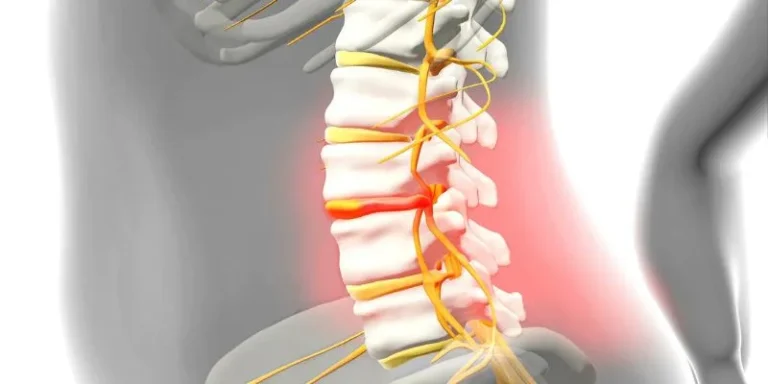

The goal of building a stronger healthier body drives many people in Delhi and other parts of the capital to hit the gym. The clatter of weights and the steady buzz of treadmills show their dedication. But this chase for fitness sometimes comes with a big price severe spine injuries and painful disc issues. That sudden sharp pain during a deadlift or the constant soreness after shoulder presses is not just a minor bump in the road; it raises an important question. “Gym mein hone wali spine injuries aur disc problems”: What is going wrong? Most injuries aren’t bad luck they often happen because of fixable mistakes in technique, preparation, or knowledge.
Your Spine: The Powerful Yet Fragile Support System
To grasp how injuries happen, it’s key to know how your spine works. It’s not just a simple stack of bones. Your spine is a flexible column made up of vertebrae, with intervertebral discs acting as cushions. These discs, which are soft and gel-like in the center with a tougher exterior, absorb shocks. A network of muscles, ligaments, and tendons surrounds and moves this structure. Every time we twist, lift, or carry weight, all these parts work together to manage the load. Improper pressure can harm the discs making them bulge, herniate (when the gel inside leaks out), or wear out too soon.
Common Gym Errors that Harm Your Spine
The road to a spine injury is often lined with harmless intentions. Let’s break down some of the common mistakes happening at the gym:
- The Ego-Lifting Trend: This might just be the biggest problem out there. Adding extra weight to the barbell, way more than someone can handle with proper technique, is asking for trouble. When this happens, people end up arching or rounding their backs while doing rows, deadlifts, or squats. This puts unsafe pressure on the spinal discs and ligaments. The lower back also called the lumbar spine takes the hardest hit from this kind of error.
- Missing the Warm-Up: Starting heavy lifts without warming up stiff muscles and joints is like driving a car on a freezing day without warming the engine. Cold muscles are tighter, blood flow is lower, and the chance of injuries like tears or strains goes up. Warming up helps the heart rate rise, improves blood flow, and gets the body ready to handle weight.
- Skipping Core Strength – The Overlooked Essential: People often pay attention to “mirror muscles” like the chest, biceps, and shoulders. But ignoring the core muscles, including the abs, obliques, and lower back, is like building a tower on unstable ground. The main role of the core is to keep the spine stable. Without this natural support, your spine and discs stay unguarded during big movements.
- Improper Form and Technique: Ego-lifting isn’t the only problem here. Slightly rounding your back during bent-over rows arching too much while bench pressing, or swinging heavy dumbbells with momentum all strain the spine little by little. Over time, these tiny stresses add up and can lead to serious injuries.
- Imbalance and Overtraining: Prioritizing pushing exercises like chest presses and shoulder presses while skipping pulling moves like rows and lat pulldowns throws muscles out of balance. This imbalance shifts the spine out of place. Not letting your body rest enough also weakens muscles, so they fail to protect the joints and leave the spine at risk even during simple workouts.
Spotting Danger Signs: From Stress to Severe Injury
Your body warns you before something serious happens. The worst thing you can do is ignore these signs.
- Sharp Pain: Feeling a quick intense pain while lifting maybe with a pop or tear sensation usually points to a muscle strain, a ligament sprain, or even a disk problem.
- Shooting Pain or Tingling: Pain traveling down your arm or leg sometimes with a pins-and-needles feeling or numbness means nerve issues or pressure often from a bulging disk.
- Ongoing Pain: A steady dull pain in the lower back or neck that can get worse when you move a certain way or after exercising.
- Limited Movement: Struggling to bend or twist as usual often caused by tight or spasming muscles trying to protect your body.
A Plan to Keep Your Spine Safe While Working Out
Preventing issues works better than fixing them later. Use these steps to stay safe at the gym:
- Focus on Technique Before Heavy Weights: This is a must. Learn the right movements using just your body weight or very light dumbbells before trying anything heavier. You might want to book a session with an experienced trainer who can guide you and correct your form as you go.
- Plan a Solid Warm-Up: Begin with 10-15 minutes of dynamic stretches like leg swings, torso twists, and cat-cow stretches. Add some light cardio movements to help warm your body. Use exercises like bridges and planks to get your glutes and core working before putting weight on your spine.
- Focus on Core and Posterior Strength: Spend time improving your core with moves like planks, bird-dogs, and dead bugs. Work on strengthening your glutes, hamstrings, and lower back using hip thrusts and Romanian deadlifts. A strong back and core are crucial to keeping your spine healthy.
- Stay Balanced and Recover: Add a pulling movement for every pushing one you do. Plan workouts with rest days to let muscles heal and ease pressure on your spine. Light activities like swimming, walking, or yoga help your body recover.
- Pay Attention and Act: Stop if you feel pain. Don’t confuse muscle soreness with pain. Ignoring pain doesn’t show strength; it leads to injuries. Follow the R.I.C.E. method – Rest, Ice, Compression Elevation for sudden strains and let your body repair itself.
When to Get Professional Advice: Beyond Resting and Icing
If minor strains heal with rest, that’s fine, but ongoing pain or nerve-related symptoms need a doctor’s evaluation. Relying on self-diagnosis or using Dr. Google can be risky. Pain that disrupts your daily activities sleep, or comes with numbness or weakness means it’s time to see a specialist.
Getting expert medical care matters in East Delhi or the National Capital Region. A reliable spine hospital in Delhi provides skilled teams and modern testing tools to make precise diagnoses. To understand the full scope of your musculoskeletal problems visiting a spine specialist hospital in Delhi is vital. They can ensure a full treatment plan, which could involve focused therapy targeted pain relief, or even surgery if other options do not work.
Getting proper help is crucial. A skilled professional like Dr. Amit Shridhar in Delhi can do more than just diagnose your issue; they can outline a clear path to getting better. The best spine specialist in Delhi works on uncovering the real cause of the problem, which might often be linked to simple mistakes made in the gym, and comes up with a personalized recovery plan. This plan not aims to fix the injury but also helps ensure it does not happen again. They can also advise you on going back to your gym routine while making adjustments to keep your spine safe in the future.
Conclusion: Your spine is essential, it supports you, not holds you back
The gym needs to empower people, not hurt them. Many spinal injuries and disc issues happen because of avoidable mistakes like overconfidence, rushing poor balance, or a lack of knowledge. When we focus on doing a proper lift instead of just trying to lift the heaviest weight, we make a smart investment in staying fit for life.
Take care of how complex and important your spine is. Use information, patience, and dedication to build your strength when you exercise. Real strength is measured not by how much weight you lift but by how long your body stays healthy to keep lifting. If you feel pain, treat it as a warning and not something to push through on your own. Get help from a qualified spine specialist to make sure you recover and with the right knowledge. Your spine supports everything you do so train smart to keep it strong and ready for all the challenges life throws at you.