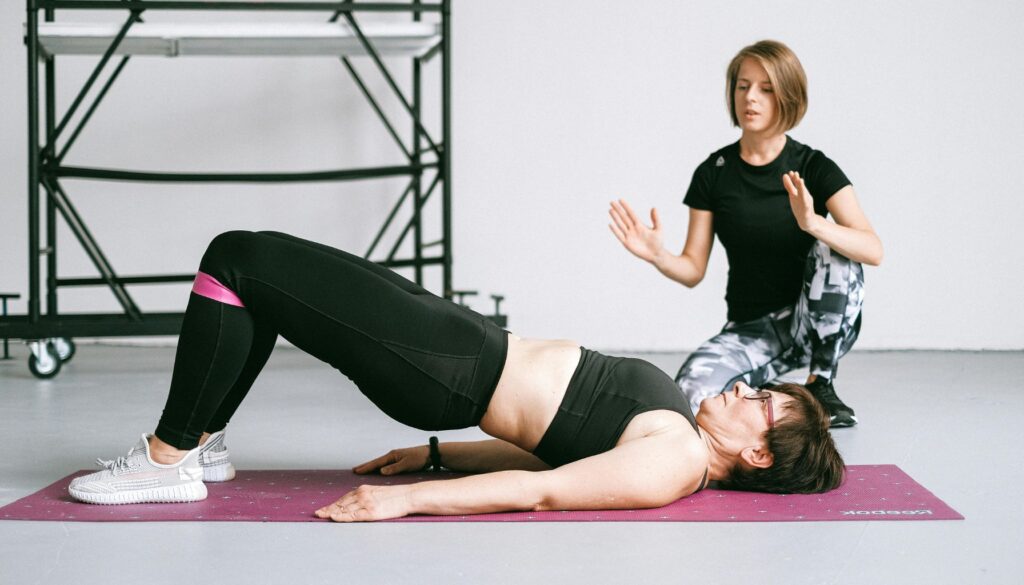

Aging is a natural process that influences many systems in the body, including muscles, joints, and connective tissues, and the pelvic floor is no exception. The pelvic floor is a group of muscles and supportive structures that form the base of the pelvis and play an essential role in bladder and bowel control, pelvic organ support, posture, and core stability. As the body ages, gradual changes in muscle strength, tissue elasticity, hormone levels, and nervous system function may affect how efficiently these muscles work. Understanding how aging influences pelvic floor strength may help individuals recognize early changes and take proactive steps to support long-term pelvic health through Pelvic Floor Physiotherapy and Pelvic Health Physiotherapy.
One of the most significant age-related changes affecting the pelvic floor is a gradual reduction in muscle mass and strength. This process, often associated with general muscular changes throughout the body, may also involve the pelvic floor muscles. Over time, muscles may lose some of their ability to contract with the same force or endurance as before. When this happens in the pelvic floor, the muscles may struggle to provide consistent support during activities that increase abdominal pressure, such as lifting, coughing, or prolonged standing. These changes may occur slowly and may not be noticeable at first, but they can influence daily comfort and function.
Connective tissues within the pelvic floor also change with age. Ligaments and fascia that help support pelvic organs may become less elastic over time. Reduced elasticity may affect how well these structures adapt to movement and pressure changes. When connective tissues lose some of their resilience, the pelvic floor muscles may be required to compensate by working harder to maintain support. This increased demand may contribute to fatigue or altered muscle coordination, particularly during repetitive or physically demanding tasks.
Hormonal changes associated with aging may further influence pelvic floor strength and function. In women, changes related to menopause may affect tissue health and muscle tone due to shifts in estrogen levels. These hormonal changes may influence blood flow, tissue hydration, and muscle responsiveness within the pelvic region. In men, age-related hormonal shifts may also influence muscle mass and connective tissue health. Pelvic Health Physiotherapy often considers these factors when assessing pelvic floor function across different life stages.
Nervous system changes may also play a role in how aging affects pelvic floor strength. As the body ages, communication between nerves and muscles may become less efficient. This may influence how quickly or effectively pelvic floor muscles respond when support is needed. Delayed or reduced muscle activation may make it more challenging to coordinate pelvic floor contractions during sudden movements or pressure changes. Over time, this may affect confidence in movement or participation in physical activities.
Postural changes commonly associated with aging may further influence pelvic floor function. Reduced spinal mobility, changes in alignment, or prolonged sitting habits may alter how load is distributed through the pelvis. When posture shifts, the pelvic floor may be placed under different levels of tension or compression. These changes may affect how the muscles function during daily activities. Pelvic Floor Physiotherapy often evaluates posture and movement patterns to understand how they contribute to pelvic floor demands as individuals age.
Breathing patterns may also change with age, particularly if physical activity levels decrease or if there are changes in rib cage mobility. Efficient breathing involves coordination between the diaphragm and the pelvic floor. When breathing becomes shallow or restricted, the pelvic floor may not move as freely, which may affect muscle relaxation and contraction patterns. Over time, this lack of coordination may influence pelvic floor strength and endurance. Pelvic Health Physiotherapy frequently incorporates breathing strategies to support pelvic floor function alongside strength and coordination work.
Lifestyle factors associated with aging may further influence pelvic floor health. Reduced physical activity, prolonged sitting, or changes in daily routines may lead to decreased muscle engagement. When the pelvic floor is not regularly challenged through varied movement, muscles may become less responsive. Conversely, repetitive strain from certain activities without adequate recovery may also contribute to muscle fatigue. Maintaining balanced movement patterns may help support pelvic floor strength over time.
It is also important to recognize that aging does not affect everyone in the same way. Genetics, activity levels, occupational demands, previous injuries, surgeries, and childbirth history may all influence how pelvic floor strength changes over time. Some individuals may notice minimal changes, while others may experience symptoms such as pressure sensations, reduced control, or discomfort. Pelvic Floor Physiotherapy may help identify individual factors contributing to these changes rather than attributing symptoms solely to age.
Pelvic Health Physiotherapy often focuses on improving awareness, coordination, and appropriate activation of the pelvic floor rather than strength alone. As the body ages, the ability to relax and coordinate muscles effectively becomes just as important as generating force. Overactive or tense pelvic floor muscles may also occur with aging, particularly in individuals who experience chronic stress or pain. Addressing both strength and relaxation may support more balanced function.
Another aspect of aging involves recovery capacity. Muscles and connective tissues may require more time to adapt to new demands or recover from strain. Gradual progression and consistency become increasingly important. Pelvic Floor Physiotherapy often emphasizes pacing and sustainable strategies that align with an individual’s lifestyle and physical capacity, supporting long-term pelvic health rather than short-term changes.
Awareness and education play a key role in managing age-related pelvic floor changes. Understanding how daily habits, posture, breathing, and movement influence pelvic floor demands may empower individuals to make small adjustments that support function. These adjustments may help reduce unnecessary strain and support confidence in daily activities.
Access to supportive care may make addressing age-related pelvic floor changes more manageable. Clinics that offer direct billing, coverage through most insurance plans, same-day appointments, no referrals needed, walk-in patients, free parking, and wheelchair accessibility help reduce barriers to seeking guidance. These features may encourage individuals to address pelvic health concerns early rather than waiting until symptoms become more disruptive.