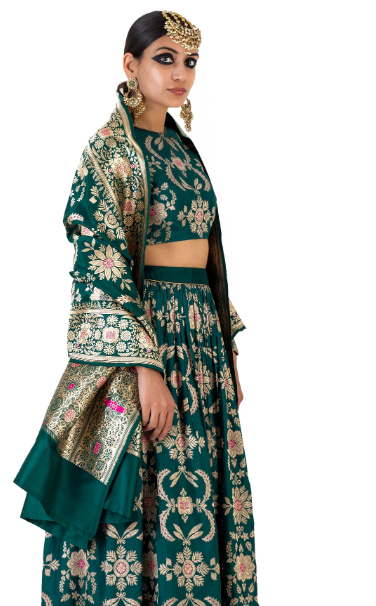

A wedding lehenga is not just an outfit; it is an emotion stitched into fabric. For many women, it becomes the most meaningful garment they will ever wear, holding memories of rituals, family, and personal milestones. Across generations, this ensemble has evolved while preserving its cultural depth. From temple ceremonies to grand ballroom weddings, the lehenga continues to represent grace, celebration, and tradition reinterpreted for contemporary brides.
Understanding the Anatomy of a Lehenga
At its core, the lehenga consists of three elements: the skirt, the blouse, and the dupatta. Each component contributes to the overall story of the outfit. The skirt carries movement and volume, often becoming the canvas for intricate craftsmanship. The blouse defines structure and silhouette, allowing room for modern experimentation. The dupatta adds drama, symbolism, and balance, whether draped traditionally or styled with ease. Together, these elements create harmony between form and expression.
Fabrics That Define the Look and Feel
Fabric choice determines not only how a lehenga looks but also how it feels through long wedding ceremonies. Silk remains a timeless favorite for its richness and structure. Velvet lends depth and winter elegance, while lighter fabrics like organza and tissue silk bring softness and movement. Handwoven textiles and natural fibers have gained renewed appreciation, especially among brides who value comfort and authenticity alongside visual impact.
Craftsmanship and Embellishment Techniques
The soul of a lehenga lies in its craftsmanship. Hand embroidery techniques such as zardozi, resham, gota, and aari transform fabric into art. Some designs tell stories through motifs inspired by nature, architecture, or folklore. Others rely on subtle detailing, allowing texture and weave to speak louder than ornamentation. Increasingly, brides are choosing refined craftsmanship over excessive embellishment, seeking pieces that feel timeless rather than trend-driven.
Color Palettes Beyond Traditional Red
While red remains symbolic and beloved, modern brides are embracing a broader spectrum of colors. Deep maroons, muted ivories, forest greens, and antique golds offer alternatives that still feel ceremonial. Pastels have found their place in daytime weddings, while jewel tones bring drama to evening celebrations. The shift toward nuanced palettes reflects a desire for individuality while staying rooted in tradition.
Silhouettes for Every Bride
The beauty of the lehenga lies in its adaptability. Classic flared silhouettes evoke regal charm, while panelled or straight-cut skirts offer a contemporary edge. High-waisted lehengas elongate the frame, and softer volumes provide ease of movement. Blouse designs have also evolved, with long-sleeved, high-neck, and relaxed fits becoming as popular as traditional cuts. This flexibility allows every bride to find a silhouette that feels personal and confident.
Styling With Intention
Styling a lehenga goes beyond matching jewelry and footwear. It is about balance and intention. Heirloom jewelry can add emotional value, while minimal accessories allow the outfit to remain the focal point. Hairstyles, makeup, and draping styles should complement the lehenga rather than overpower it. Thoughtful styling ensures the bride feels comfortable, radiant, and herself throughout the celebrations.
Sustainability and Thoughtful Choices
Today’s brides are increasingly conscious of the stories behind their clothing. Handcrafted lehengas made using traditional techniques support artisan communities and preserve cultural heritage. Choosing timeless designs over fleeting trends also allows the outfit to be re-worn or passed down. Sustainability, in this context, becomes an extension of meaning rather than a compromise on beauty.
A Garment Meant to Last
A wedding lehenga often becomes an heirloom, cherished long after the wedding day. Its value lies not only in craftsmanship but in the memories it holds. When chosen with care, it transcends fashion cycles and remains relevant across years and occasions. It stands as a reminder that true elegance is rooted in intention, artistry, and respect for tradition.
Conclusion: Where Tradition Meets Quiet Modernity
In a world of constant change, the wedding lehenga continues to evolve while staying grounded in heritage. It reflects a bride’s identity, values, and sense of beauty. Labels like Raw Mango have shown how tradition can be reimagined with restraint, craft, and cultural integrity, reminding us that the most powerful statements are often the most understated.