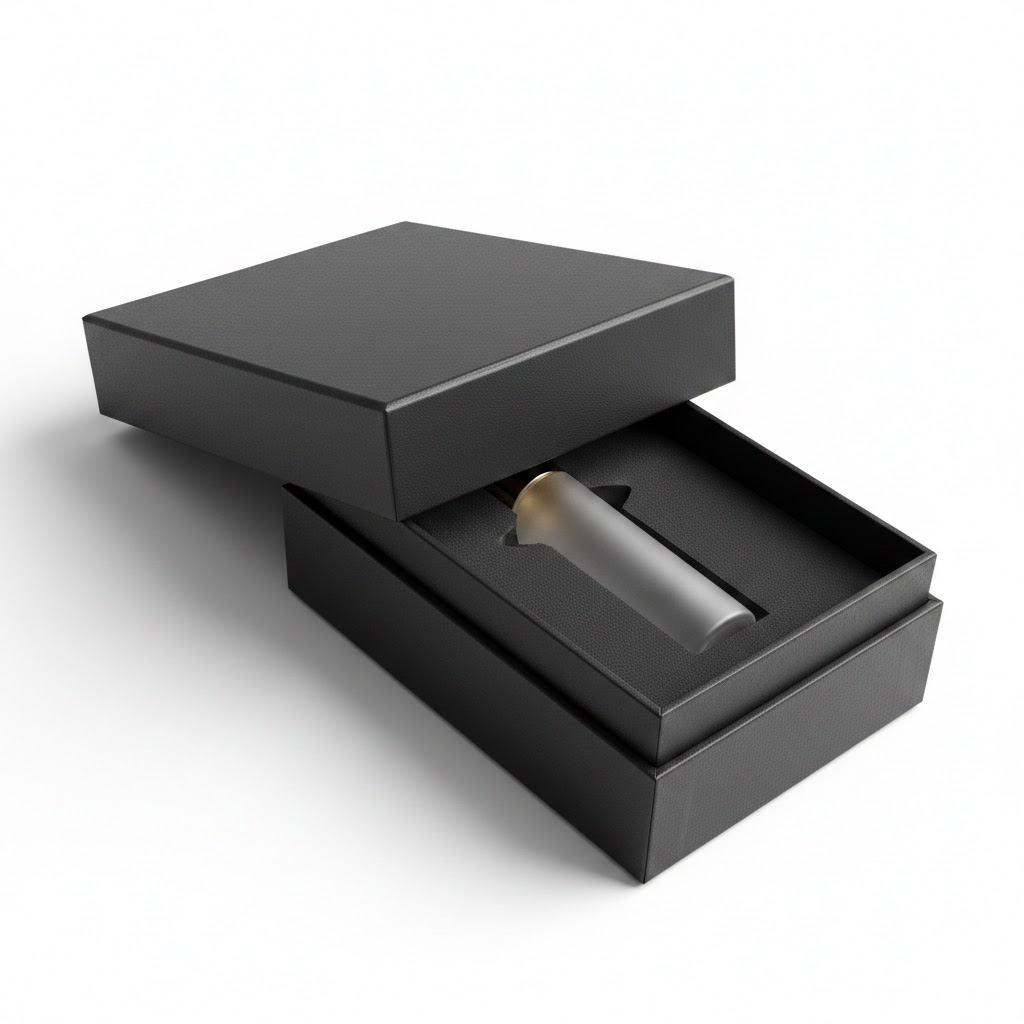

Rigid-style packaging raises the protection level for many products. It does this through better structure, materials, and design choices.
Strong Structural Support Reduces Impact Damage
Rigid packaging gives strong structural support. The board and panels resist dents and crushing. As a result, fragile items survive rough handling. Moreover, the stiff corners and thick walls spread forces over a larger area. This lowers stress on any one point of the product. Many brands choose rigid packaging for high-value items because it reduces return rates and damage claims. In addition, rigid boxes hold their shape during stacking. That means products stay safer in warehouses and during transport. Designers also add internal partitions and trays. Those features stop movement inside the box. In short, a strong structure limits shocks and keeps the product intact.
Improved Barrier Against Moisture and Dust
Rigid boxes often use coated papers or laminated finishes. These layers add a barrier against moisture and dust. Consequently, sensitive goods do not absorb humidity as easily. Brands utilize this feature for electronics, cosmetics, and food products that require dry storage. Also, custom rigid boxes seal better at the edges than thin cartons. That reduces the chance of fine dust entering the package. Additionally, a tight seal helps keep finishes, labels, and printed art safe. Overall, a better barrier helps products last longer on shelves and during transit.
Customizable Internal Protection to Prevent Movement
One major advantage is tailored internal protection. Designers can add foam inserts, cardboard dividers, or molded trays. These parts hold each item in place. Hence, items do not rub against each other. This lowers scratches and breakage. Retailers also reduce warranty claims. Furthermore, internal features can be swapped for different SKUs. In this way, a single box style can protect many product types. Such flexibility saves money and keeps customer satisfaction high. Also, internal protection can cushion drops and vibrations during shipping.
Durable Materials that Resist Wear and Tear
Rigid packaging uses thicker, more durable materials. The board and cover resist tearing and scuffing. As a result, packages look better on store shelves for longer. Moreover, durable materials protect against repeated handling. Retail staff and customers touch packages many times. Strong materials keep the package intact through these contacts. Durable finishes also support printed graphics and brand messaging. In addition, durability reduces the need for extra protective wrapping. That lowers waste and may cut costs.
Enhanced Stacking Strength for Shipping and Storage
Rigid boxes have good stacking strength. The box walls and lid share the load evenly. Consequently, stacks stay stable in trucks and storage rooms. This prevents crushing in the lower layers. Also, the consistent geometry makes it easier to palletize boxes. As a result, logistics teams can pack more efficiently. Efficiency in stacking lowers damage risk and shipping costs. Additionally, strong stacking protects fragile inner items. In short, stacking strength improves handling from the warehouse to the customer.
Design Flexibility that Adds Protective Features
Designers can build many protective elements into rigid boxes. For example, double-walled panels, recessed inserts, and locking lids add security. These features stop the item from shifting. They also block external pressure from harming the product. Designers may include magnetic closures or inner straps. These elements keep heavy or oddly shaped items stable. Moreover, design flexibility lets brands balance protection and presentation. Thus, the box both sells and secures the product.
Testing and Compliance That Ensure Safety
Manufacturers of rigid packaging run tests on the boxes. They test for drop resistance, compression, and vibration. The data shows how boxes perform in real shipping. As a result, brands can pick a box that meets their needs. Many companies also follow industry standards for protection. These standards reduce liability during transport. In practice, the tests guide material choice and box design. Below are common tests manufacturers use:
-
Drop testing to simulate falls during handling.
-
Compression testing to measure stacking strength.
-
Vibration testing to check performance over long journeys.
Testing leads to smarter choices and fewer damaged goods.
Sustainability Benefits are Tied to Longer Life and Reuse
Rigid boxes often last longer than thin cartons. Their sturdier build encourages reuse. Consumers can repurpose them for storage or gifts. In addition, longer life reduces the need for single-use packaging. Many makers now use recycled or responsibly sourced board. That lowers the environmental footprint of durable packaging. Additionally, fewer damaged goods result in less waste from returns and replacements. Finally, the premium feel of rigid boxes can support higher price points while reducing waste over time.